Toyota has released a new generation of the Land Cruiser Prado, and while the model's design and interior have caused a sensation, experts say the engine leaves a mixed impression. The Australian version of the SUV is built on the same TNGA-F platform as the older Land Cruiser 300, and looks almost identical visually, but under the hood is a more modest 2.8-liter four-cylinder turbodiesel. It develops 201 horsepower and 500 N⋅m of torque, which, as it turned out, is not enough for a large SUV weighing about 2.6 tons.
The engineers tried to revive the power plant by equipping it with a 48-volt mild hybrid system with a small electric motor and a lithium-ion battery, which helps with acceleration and saves fuel. The eight-speed automatic transmission works smoothly and confidently, but the dynamics are disappointing - acceleration to hundreds takes about 11 seconds. After the more powerful V6 diesel in the older LC300 with its 304 hp and 700 N⋅m, this figure looks sluggish. Nevertheless, the smooth ride and confidence on the road allow the Prado to feel like a reliable companion for long journeys and towing trailers weighing up to 3.5 tons.
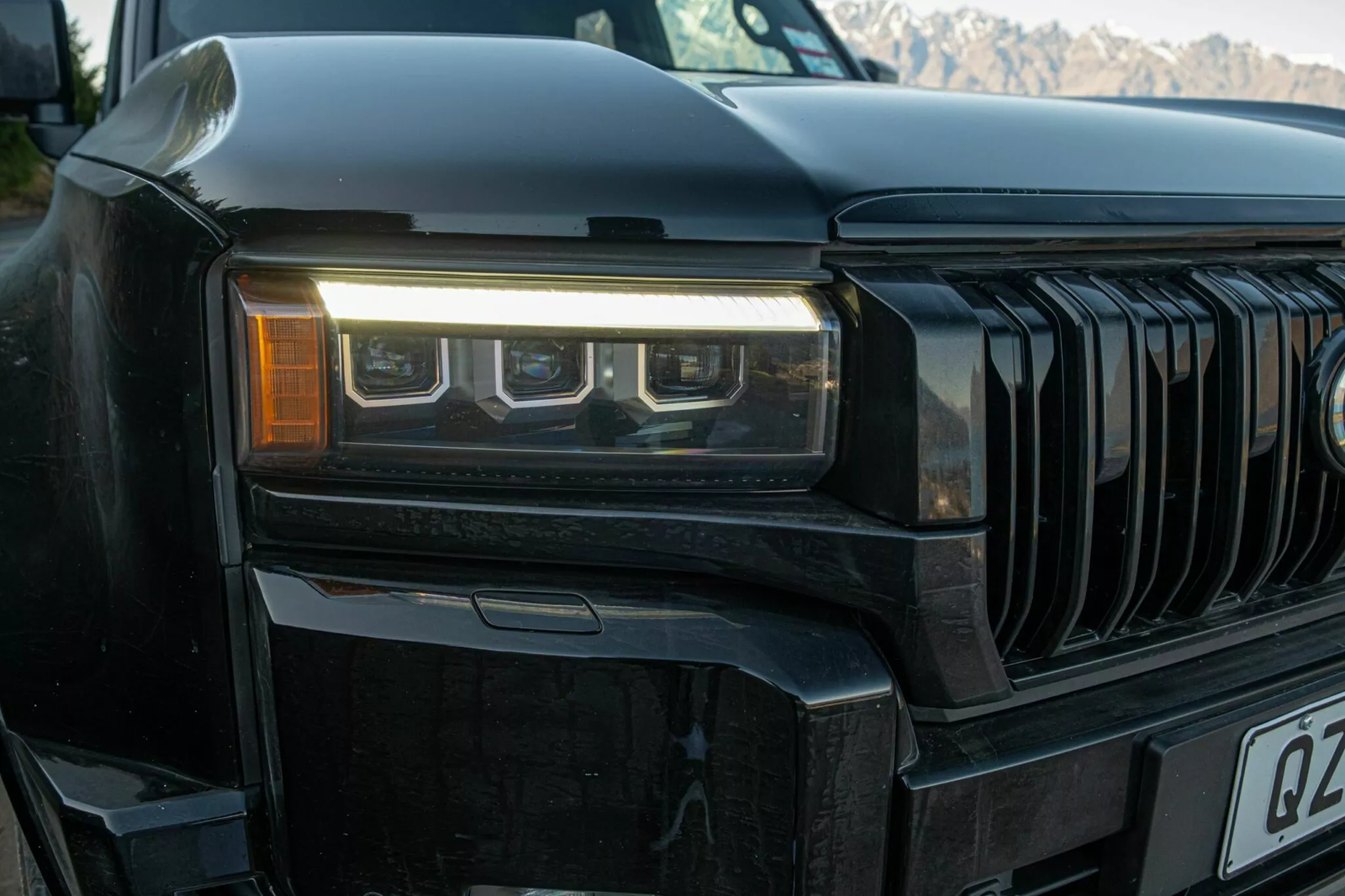
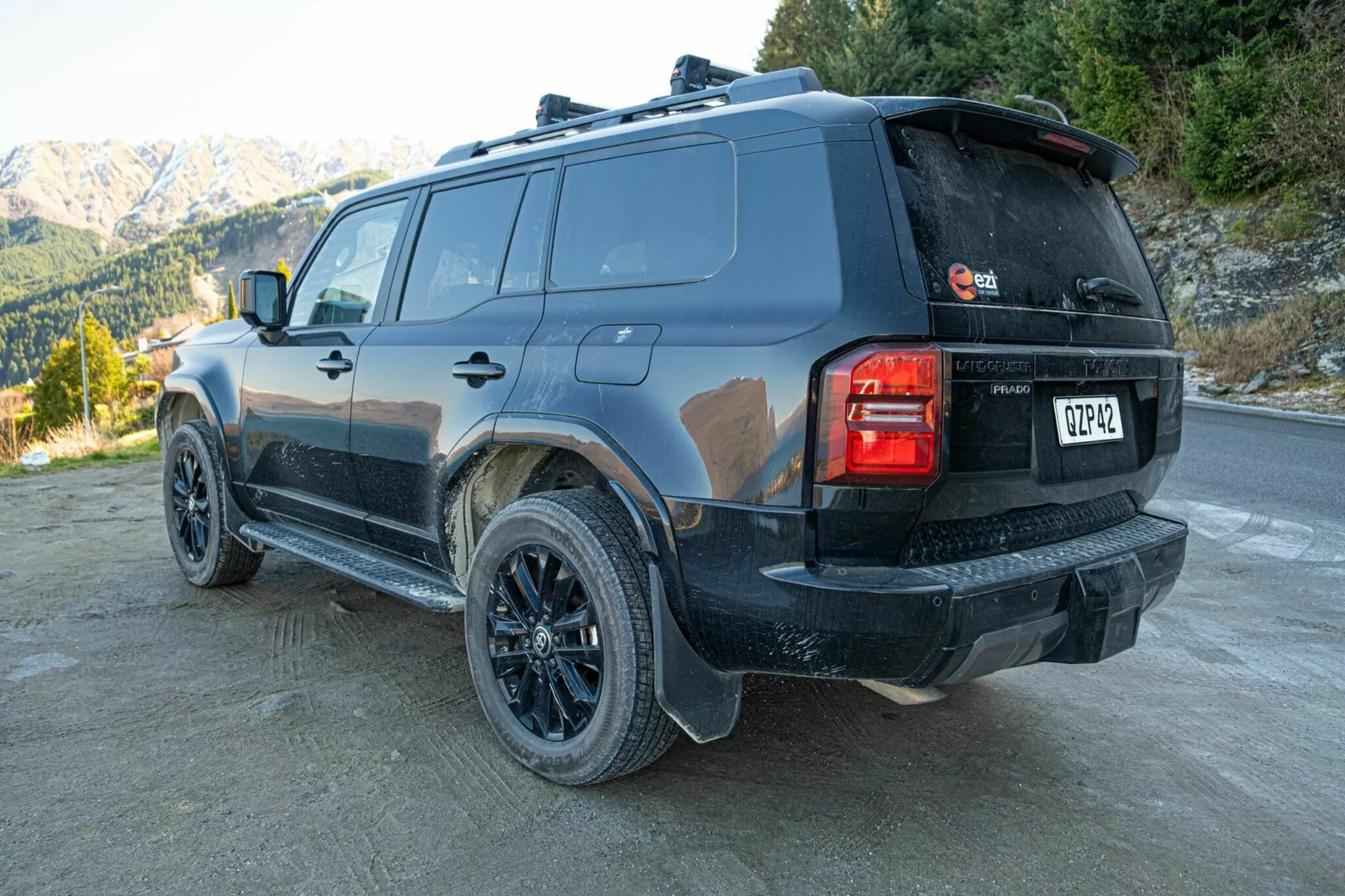
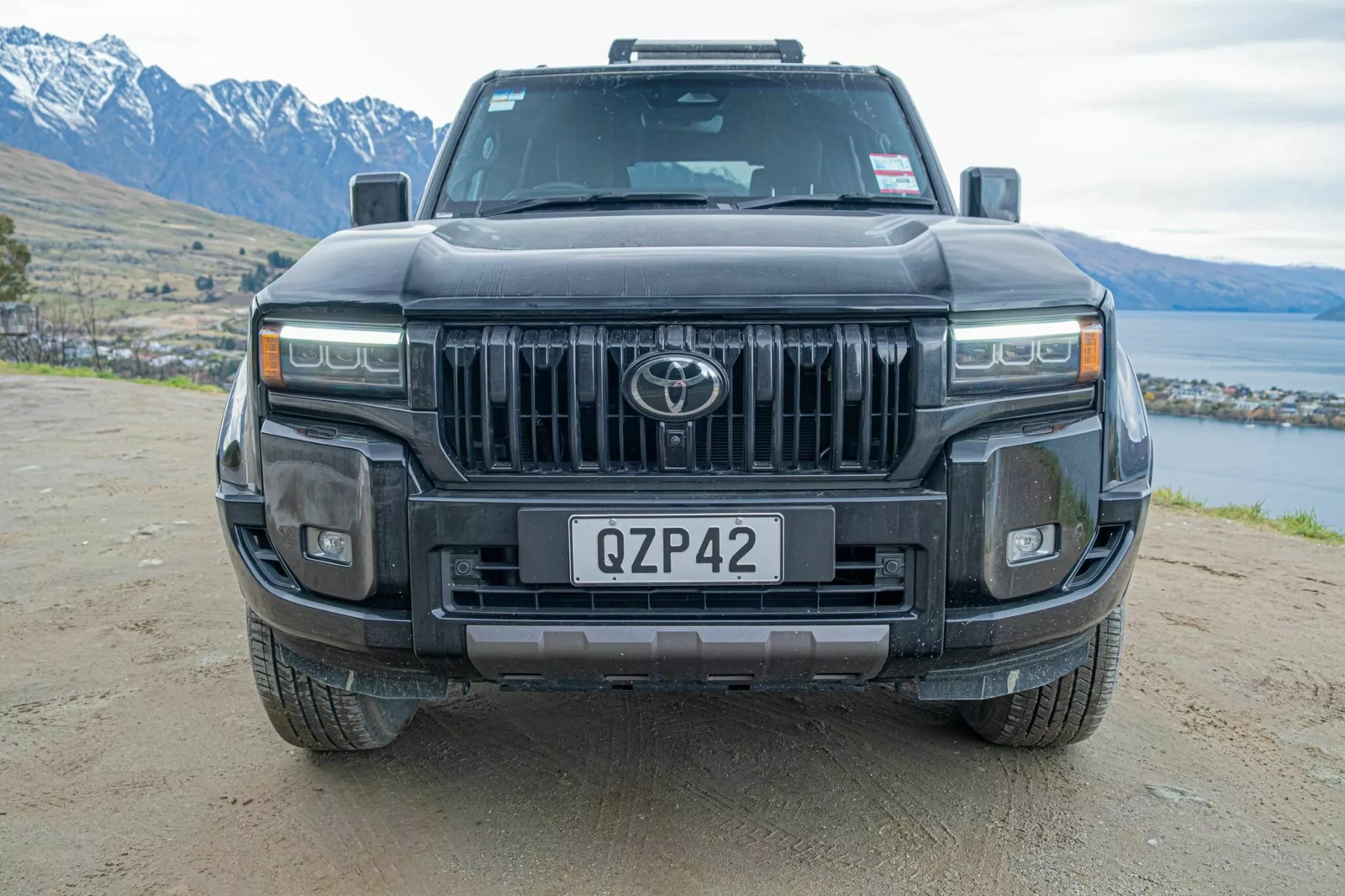
On the outside, the 2025 Prado looks solid and even charismatic: the angular body shapes, massive radiator grille and straight lines give the car the image of a true off-road conqueror. This design easily recognizes the notes of the classic 70 series, but with a modern accent. The car is longer and wider than the previous generation, which has improved stability and interior space. At the same time, it retained its signature practicality and geometry, thanks to which it easily copes with dirt, snow and sand.
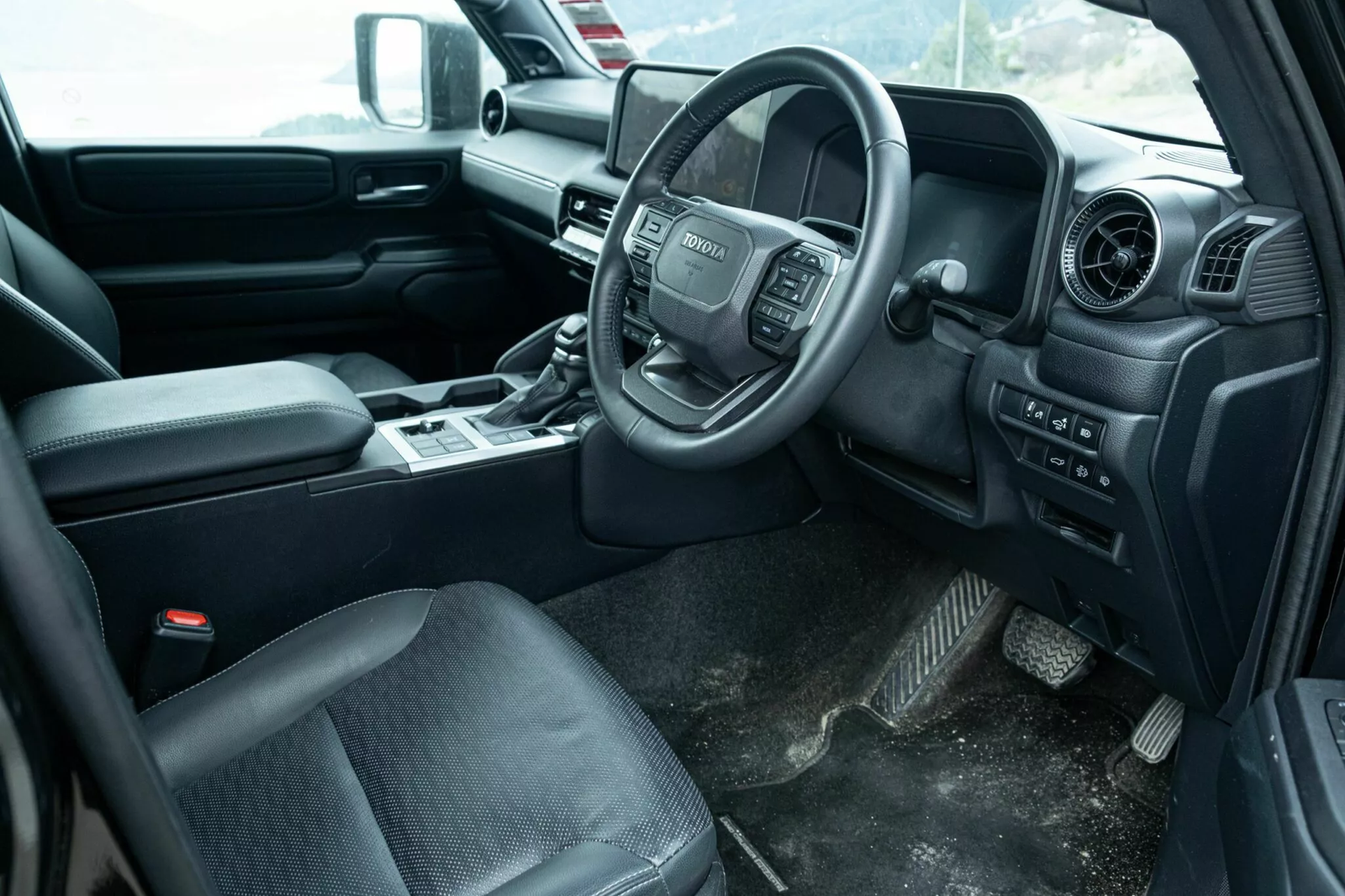
The main update is inside. The interior of the Prado can now safely compete even with more expensive SUVs. The cabin features two 12.3-inch screens, physical climate control switches and a massive gear lever - a rarity in the era of "joysticks". The trim materials have become better, wireless charging and a refrigerator between the front seats have appeared. Wireless Android Auto and Apple CarPlay work stably, but the multimedia system remained typically "Toyota" - simple and unpretentious.
There is enough space for passengers, especially in the second row, but the third row raises questions. Due to the installation of the hybrid battery, the seats cannot be folded into a flat floor, as in the competitors Ford Everest and Isuzu MU-X. With the seats unfolded, the trunk volume is only 182 liters, which is extremely small, but in the five-seater version, the space is increased to 906 liters.
On the road, the Prado demonstrates typical Toyota qualities - calmness, predictability and stability. The suspension with the adaptive AVS system perfectly smooths out bumps, and the electric power steering makes steering easy, albeit a little "detached" from the asphalt. The Prado confidently holds even on slippery surfaces, and thanks to the many off-road modes and differential lock, it is able to get out of almost any mess.
Prices for the new model in Australia range from 72,500 to 99,990 Australian dollars (48-67 thousand US dollars). The specifically tested VX version costs 87,400 Australian dollars and is perceived as the golden mean in terms of price and equipment.
In general, the 2025 Toyota Land Cruiser Prado gives the impression of a mature, well-thought-out SUV. It has become more modern, comfortable and technologically advanced than before. However, its diesel engine frankly does not live up to the ambitions of the model - the potential of the chassis and capabilities is clearly higher.
If the Prado had received a more powerful unit like the 3-liter diesel from the Ford Everest or the i-Force Max hybrid, the impressions could have been completely different.
Read more materials:
- The most reliable engines of the last 20 years have been named
- Geely has rewritten prices in Russia
- Drunk driving is a chance to make money: Russians have begun to be paid for vigilance
Comments