The mechanical handbrake was considered a model of simplicity and reliability for decades. A lever or pedal connected by cables to the rear mechanisms worked independently of the hydraulics and required almost no maintenance. However, since the early 2000s, automakers have begun to switch to electronic parking brakes, and the first major model with such a system, the BMW 7-Series E65, abandoned the lever in favor of a button and electric drive.
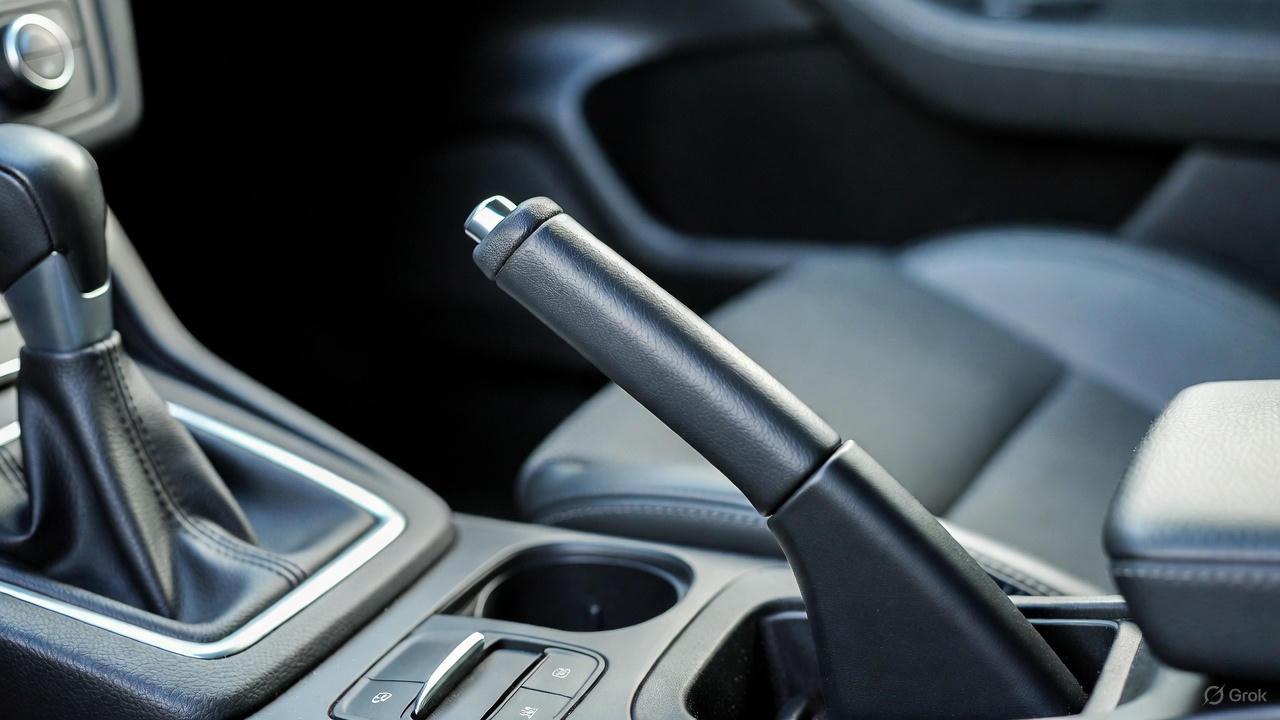
Today, an electronic parking brake is installed in almost every new car, and the reason is not just the desire for a spectacular design. Mechanical cables stretch, rust and require regular adjustment, and the design itself takes up space under the bottom and is prone to seizing. Electric actuators on calipers are more compact, durable and easier to operate, which gives engineers more freedom in the layout of the cabin and improves convenience for the driver. The electronic handbrake is activated with one press and can be activated automatically when stopped.
Additional features such as Auto Hold help in traffic jams and on inclines, holding the car without driver intervention. In an emergency, the electric drive is capable of performing emergency braking even while driving.
Read also:
- AvtoVAZ officially explained what kind of gasoline should be poured into Lada
- Moskvich announced prices for the Moskvich 6 sedan of the 2026 model year
- Tank raised prices for the entire model range in Russia: Tank 500, 700 and 400 have become more expensive
Комментарии