Formula 1 is the pinnacle of motorsport, a tournament where every start is accompanied by the roar of engines, strategic battles, and millions of viewers watching. But the path to elite status was a long one.
It all began in 1950 when the International Automobile Federation organized the first World Championship of auto racing. The debut Grand Prix took place at the legendary Silverstone track in Great Britain. Back then, there were only seven races on the calendar, and the first champion was Italian Giuseppe (Nino) Farina, driving for Alfa Romeo.
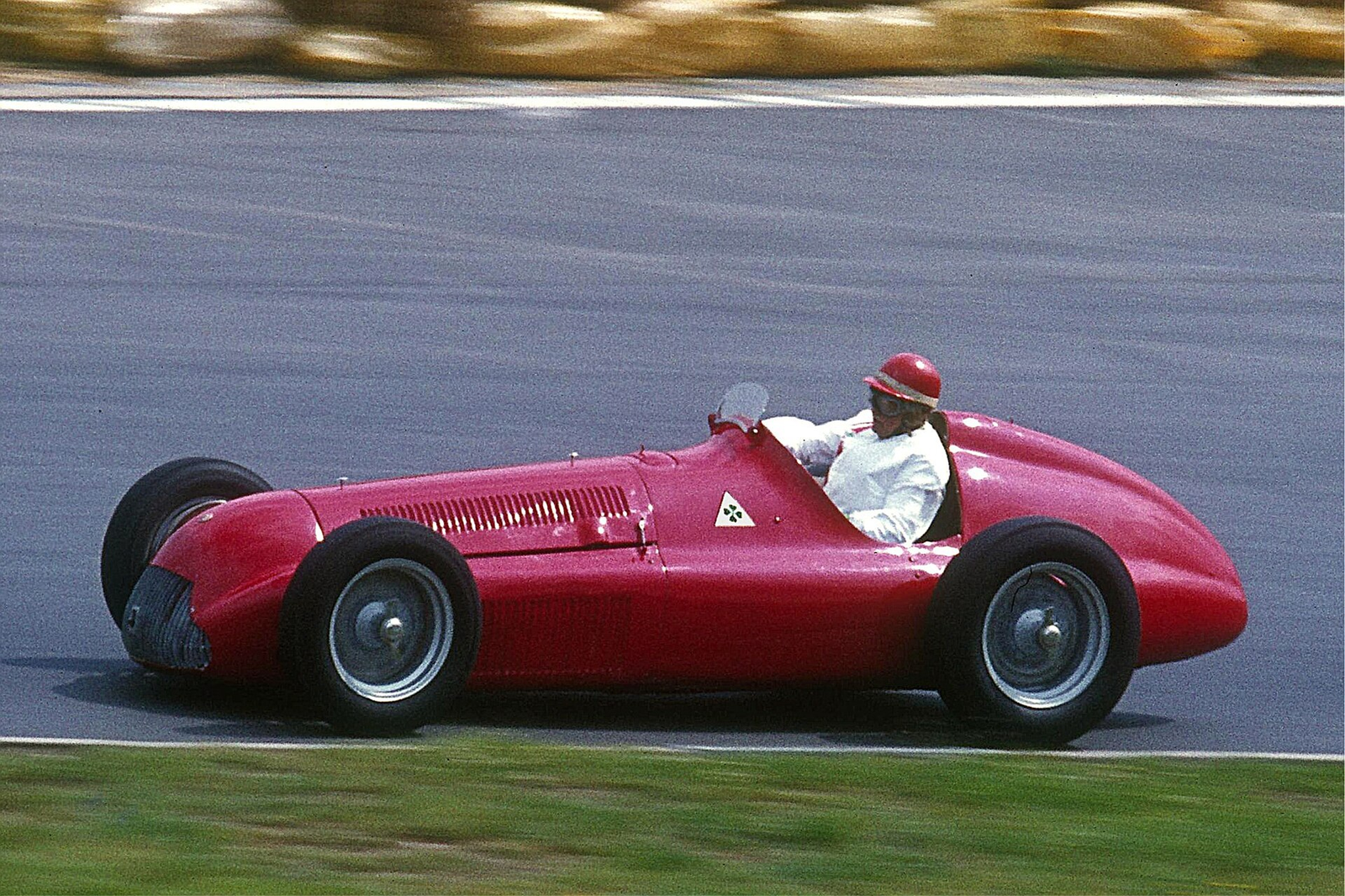
Since then, Formula 1 has undergone a colossal evolution. New stages appeared on the calendar, and the team Constructors' Cup was added to the individual standings, where the strongest team of the season was determined. Cars became faster, more powerful, and, most importantly, safer, as technological development went hand in hand with concern for the drivers.
With each decade, the geography of the championship expanded: Grand Prix races were held not only in Europe, but also in Asia, Australia, the Middle East, and South America. Television broadcasts, covering hundreds of countries, have made Formula 1 a true global show.
And today, the championship continues to change. Teams are constantly improving aerodynamics and hybrid systems, and organizers are looking for new ways to retain viewers - from sprint races to interactive broadcasts.
Why Formula 1 has captivated millions of viewers
Formula 1 is not just racing. It's a unique blend of drama, speed, and technology, where seconds, destinies, and billions of dollars are at stake.
Exciting races
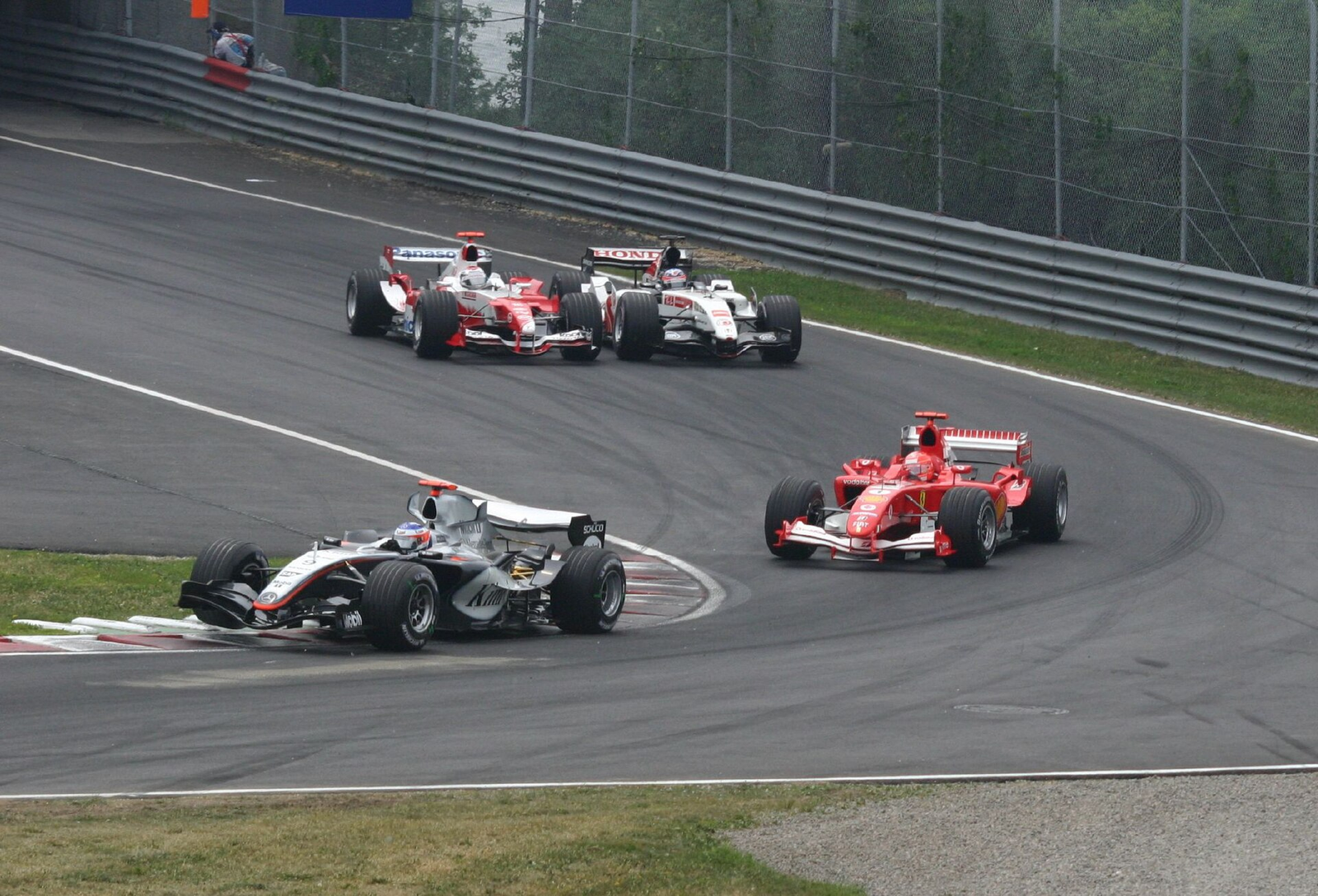
Wheel-to-wheel battles at speeds exceeding 300 km/h, risky overtakes, unexpected accidents, and changes in leaders - that's why millions of fans love F1. No season is complete without intrigue: a favorite drops out due to a breakdown, or a newcomer breaks through to the podium. It's impossible to predict the outcome until the last lap.
Legendary racers
The names of Ayrton Senna, Michael Schumacher, Fernando Alonso, Sebastian Vettel, and Lewis Hamilton are written in gold letters in history. These drivers didn't just win races - they inspired entire generations. Each has their own style, their own individual character, and their own philosophy of speed. Legends still circulate about their confrontations.

Technologies of the future
Formula 1 has always been a platform for engineering experiments. Active suspension, energy recovery systems, hybrid engines, carbon fiber monocoques - all of this was born in the "queen of motorsport" and later came to production cars. Even safety technologies, such as HANS or carbon cocoons, have saved hundreds of lives not only on the track, but also on ordinary roads.
Formula 1 is not just a competition of drivers. It's a battle of engineers, aerodynamicists, and programmers, where every detail matters.
Global reach and commercial success: Formula 1 as a business
Today, F1 is not only a sport, but also a huge industry, around which billions of dollars revolve. Races are broadcast in more than 180 countries, and the championship audience exceeds 400 million viewers annually. This makes F1 an ideal platform for the world's largest brands.
Logos of Heineken, Rolex, Pirelli, Shell, Emirates, and dozens of other companies can be seen on cars and tracks. They invest millions to gain access to a global audience and associate themselves with prestige and speed.
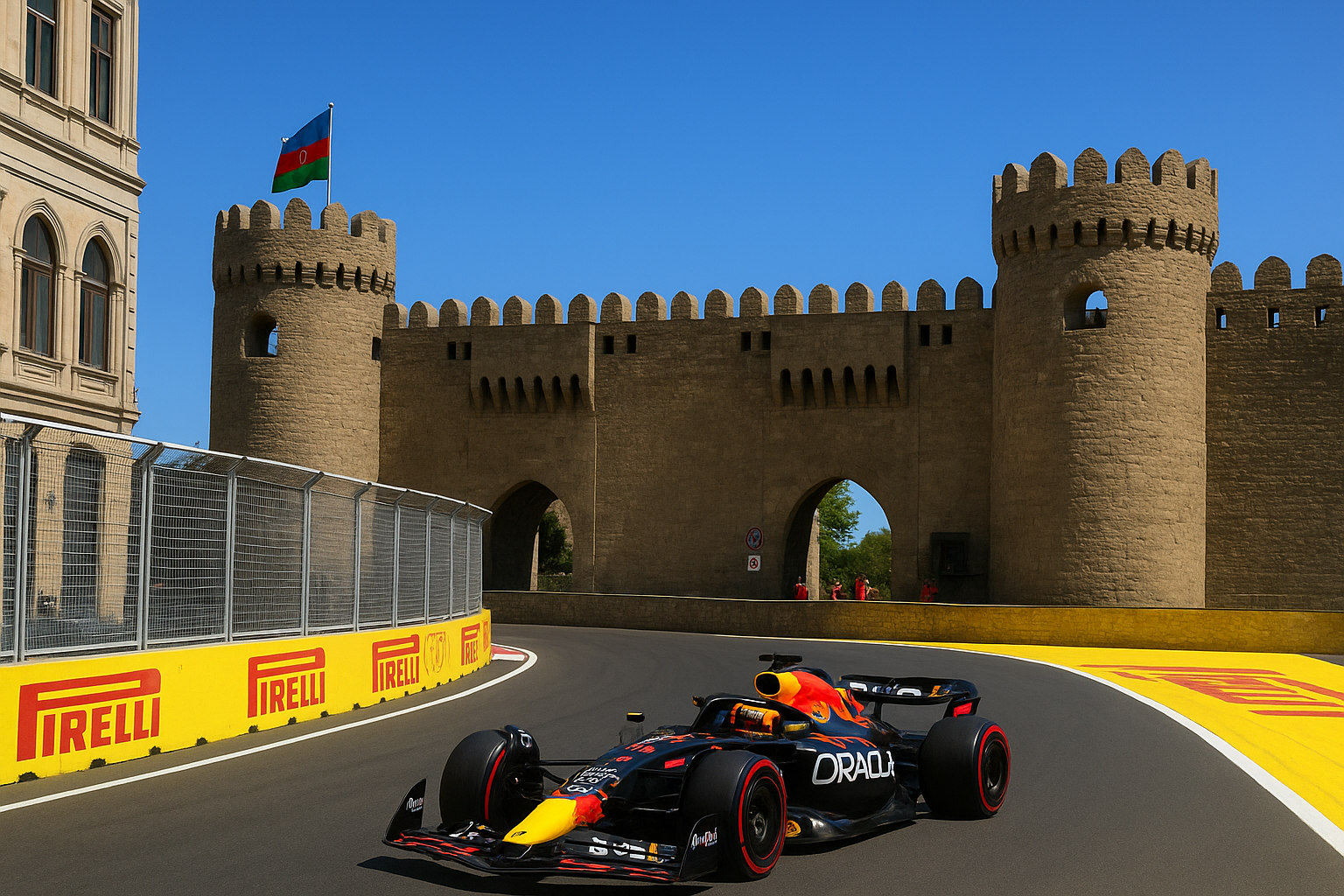
But F1 benefits not only brands. Each stage of the championship becomes a local economic event. Thousands of tourists come to the countries hosting the Grand Prix, filling hotels, restaurants, and shopping centers. Thus, racing stimulates the development of tourism and infrastructure, creating thousands of jobs.
Formula 1 is a sport that drives progress
At the heart of F1's success is a constant striving for excellence. Here, every season is a challenge: new regulations, new technologies, new heroes. Teams continue to seek a balance between speed and reliability, and drivers - between courage and composure.
F1 has become a universal language of speed, understandable in any country in the world. It is watched by millions - from schoolchildren who see the starting lights for the first time to engineers who dream of getting into the paddock.
F1 is not just racing. It is the embodiment of speed, intelligence, and human ambition. Its popularity is based on several eternal components: a thrilling spectacle, legendary drivers, technological progress, and global scale.
But most importantly, F1 remains an inspiration. It makes millions of people dream, create, and strive forward. And as long as five red lights light up at the start, Formula 1 will live, develop, and give the world new emotions.
Read more related articles:
- Toyota Supra A80: a legend that stands the test of time
- A car for the price of a smartphone or laptop: how much did domestic cars cost in 2000
- Clumsy hippo without brakes: owners exposed the myth of the legendary Toyota Land Cruiser 200
Комментарии