Dodge faced a difficult task: replacing the iconic Charger of the previous generation, which had retained fans for almost a decade and a half, despite the age of the platform and increasing pressure from competitors. The electric experiment with the Daytona model was not a breakthrough, so the brand pulled a spare plan out of its sleeve - a version with a new gasoline engine, and it became the basis for the 2026 Charger Sixpack.
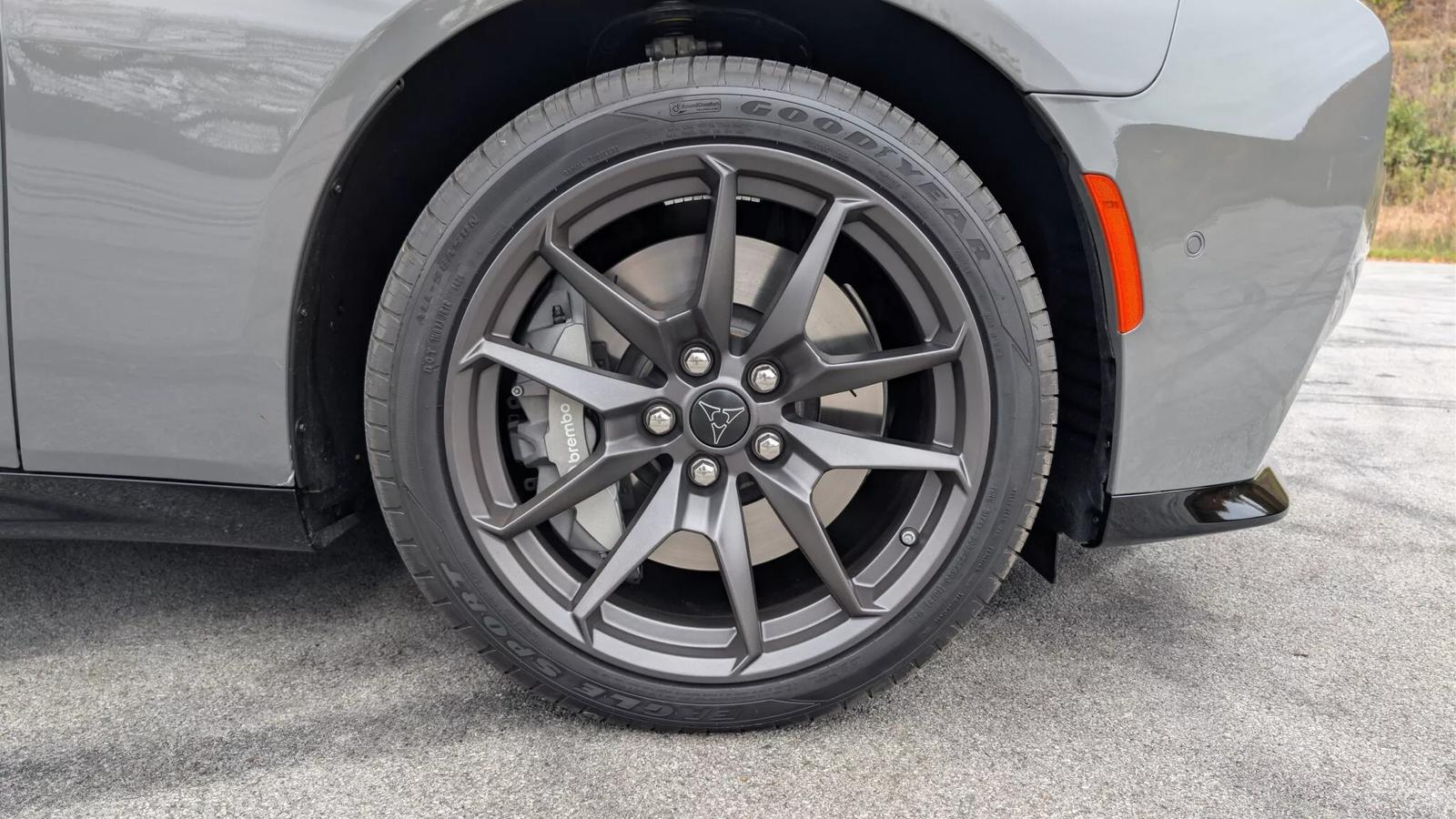
Under the hood is a fresh 3-liter inline Hurricane turbo engine with two turbines. In the Scat Pack version, it develops 550 hp and 740 N·m - a record for the family and a serious argument for those who miss the old Hemis. The dynamics are impressive: acceleration to 97 km/h takes 3.9 seconds, a quarter mile - 12.2 s. The engine is familiar from the Ram 1500 RHO and Jeep Wagoneer, but it is tuned differently, with an emphasis on instant traction and a smooth torque curve.
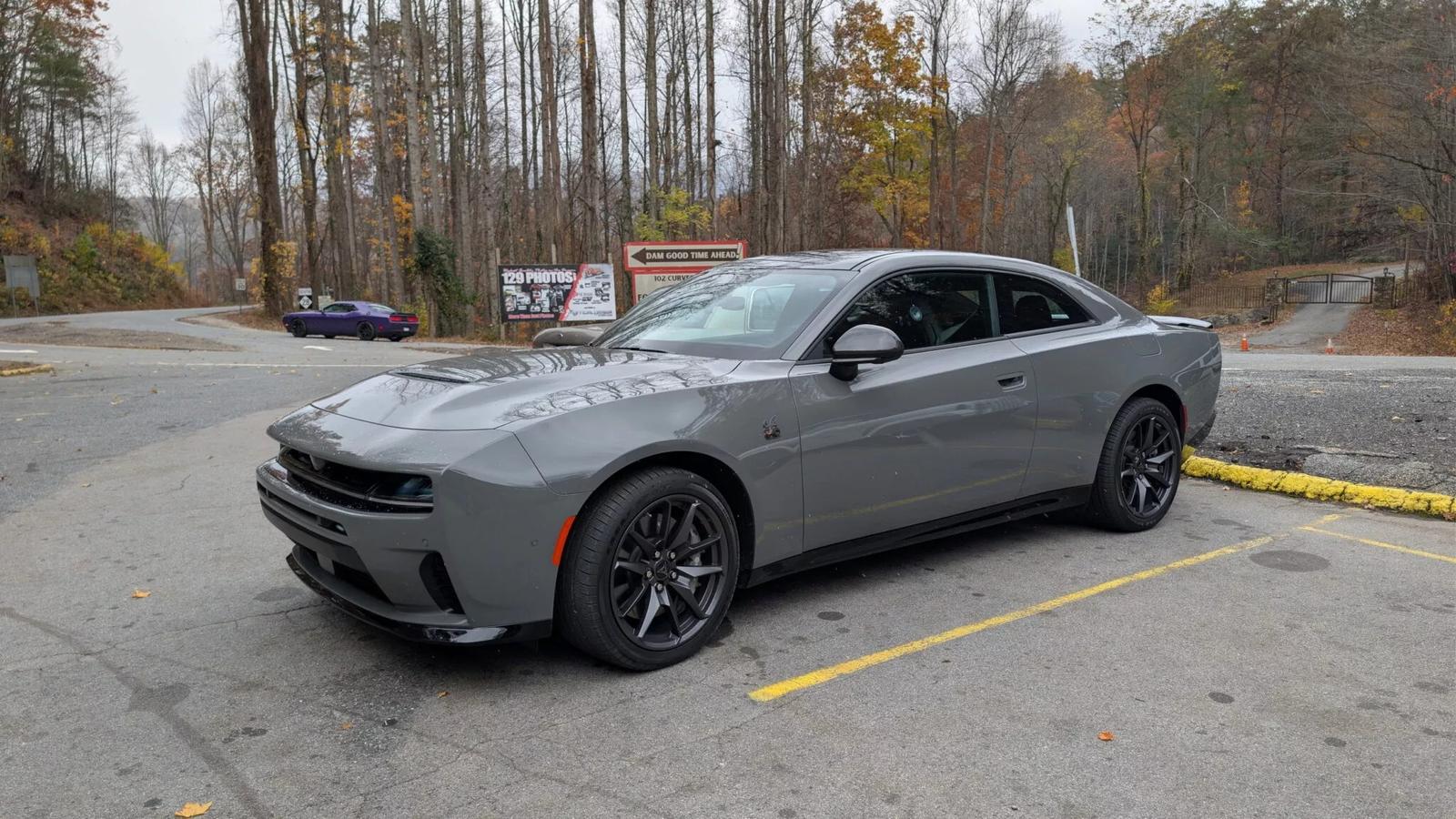
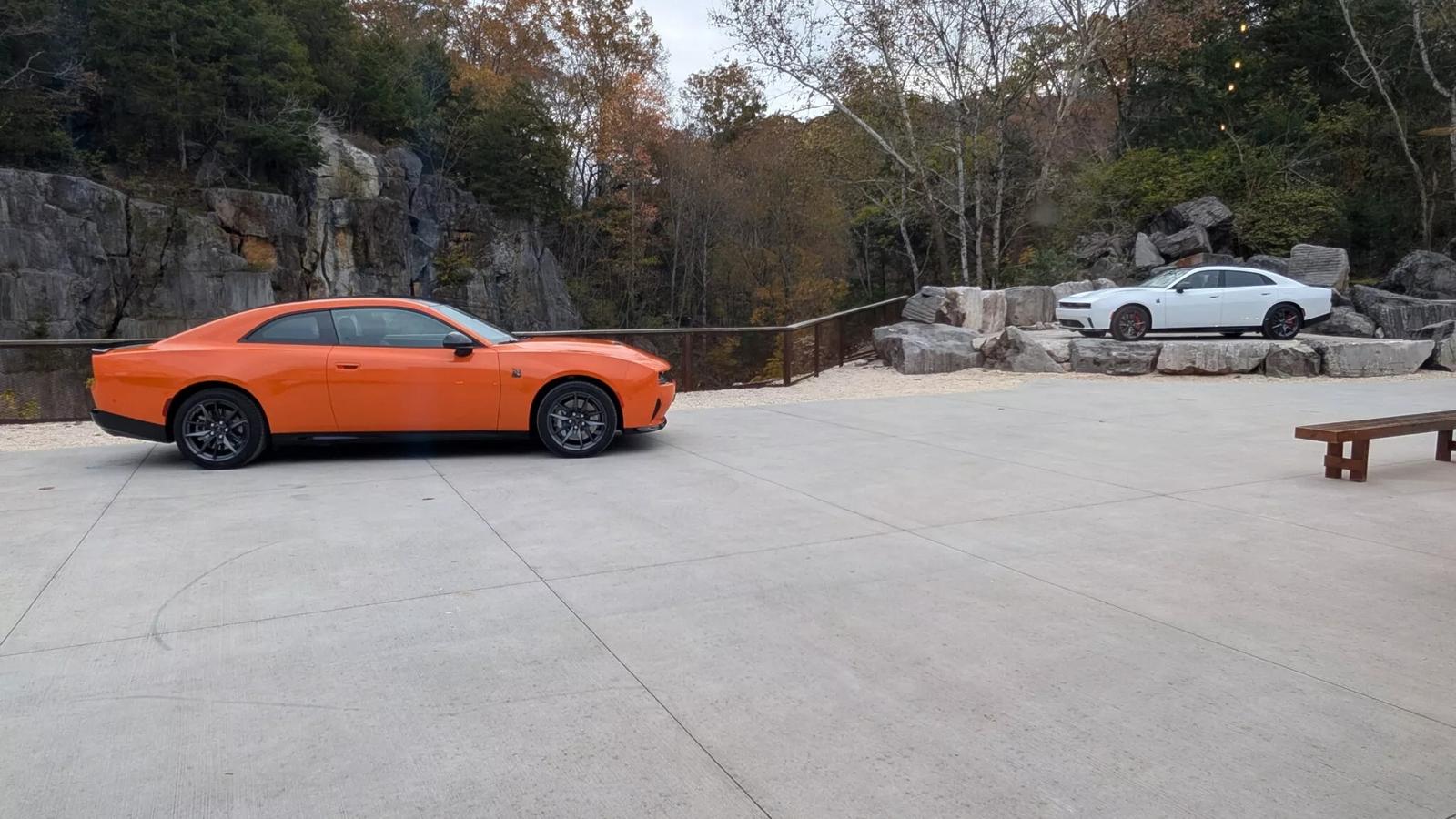
The dimensions are no less impressive: length 5247 mm, wheelbase 3074 mm - actually larger than the BMW X7. But in person, the Charger seems squat and assembled. The design combines retro accents from the 60-70s with modern optics, the signature Fratzog logo, and a bright Sixpack inscription on the hood. Some fans will perceive the shape with caution, but practice shows that such cars are perceived more organically over time, like the third-generation WRX STI once was.
The interior has become noticeably more modern - large screens, Uconnect5 with high speed, distributed lighting throughout the front panel, carbon inserts in the Carbon package. The touch buttons of the climate control unit received vibration feedback, which partially compensates for the lack of physical controls. The front seats are comfortable, with moderate lateral support, and in the two-door layout, the rear row is surprisingly spacious. The huge liftback adds practicality: the trunk volume with the rear seats folded down reaches 11.7 cubic meters - more than many hatchbacks.
On the road, the Sixpack doesn't reveal itself immediately. From zero to the first percent of throttle travel, there is a slight "void", probably related to the gearbox or turbine settings. But after reaching traction, the engine pulls smoothly and confidently. The exhaust raises questions - during quiet driving, a metallic tint appears, resembling resonance, which may divide the opinions of owners. At full load, the sound is rich and deep, but fans of the old V8s will still feel the difference.
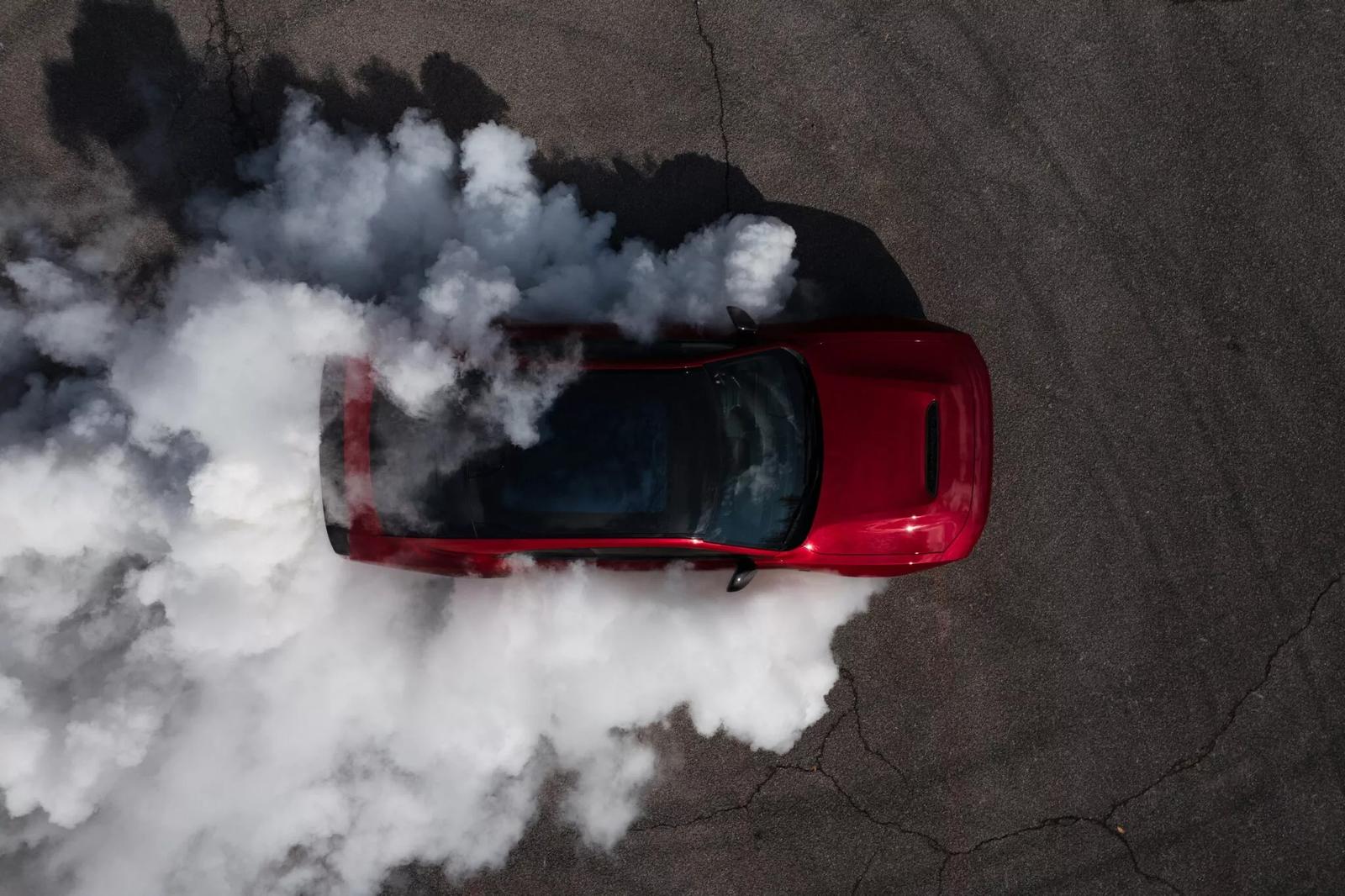
The steering is precise, although feedback is slightly muffled at high speed. The Brembo brakes are tenacious, the suspension confidently holds the mass in corners, and in RWD mode, the car willingly slides and is easily controlled. On the legendary "Tail of the Dragon" with its 318 turns, the Charger showed that it drives more compactly than its size - Dodge engineers achieved unexpected responsiveness for such a large coupe.
In the city, the car feels European: stable, assembled, with good sound insulation and soft suspension. 70 miles per hour feels like 40, and the behavior on bumps is similar to models of a higher class.
The competitors are strong - the BMW M340 and M440 are more precise and disciplined, the Tesla Model 3 Performance is faster at the start and on the track. However, the Charger takes a combination of character, design, practicality and a powerful turbo six. The Scat Pack version for $49,995 (excluding delivery) looks especially attractive: it offers the maximum set of driving qualities before the price zone of premium brands.
If the Hurricane engine forms the same community as the BMW B58/S58, and the engine retains reliability, the new Charger is able to repeat the success of its legendary predecessors. This is not just a departure from the V8 for the sake of ecology - it is a new chapter for American muscle cars, where the high-performance inline-six plays not an auxiliary, but the main role.
Read more materials:
- AvtoVAZ Officially Explains Which Gasoline to Use in Lada
- Moskvich Announces Prices for the Moskvich 6 Sedan of the 2026 Model Year
- Tank Raises Prices for the Entire Model Range in Russia: Tank 500, 700, and 400 Become More Expensive