Huanghai N7 has become one of the most unusual newcomers to the Russian frame SUV market. Most car enthusiasts had never heard of the brand before, but the model's appearance turned out to be loud - both literally and figuratively. The appearance of the N7 seems to be copied from iconic American pickups: strict chopped lines, a vertical "grille", a pair of massive towing eyes, large headlight lenses, a high seating position, and an overall feeling of heavy machinery.
In terms of dimensions, the N7 surpassed even the Poer King Kong - the only large pickup officially sold before its appearance. But behind this "American picture" lies a long biography: the Huanghai brand grew out of a post-war enterprise in Dandong that repaired equipment, then switched to buses, later took up trucks and SUVs, and in the 2000s even produced models assembled at the Derways plant in Russia. The modern lineup culminated in the flagship N7 - it was the first to arrive in the Russian Federation.
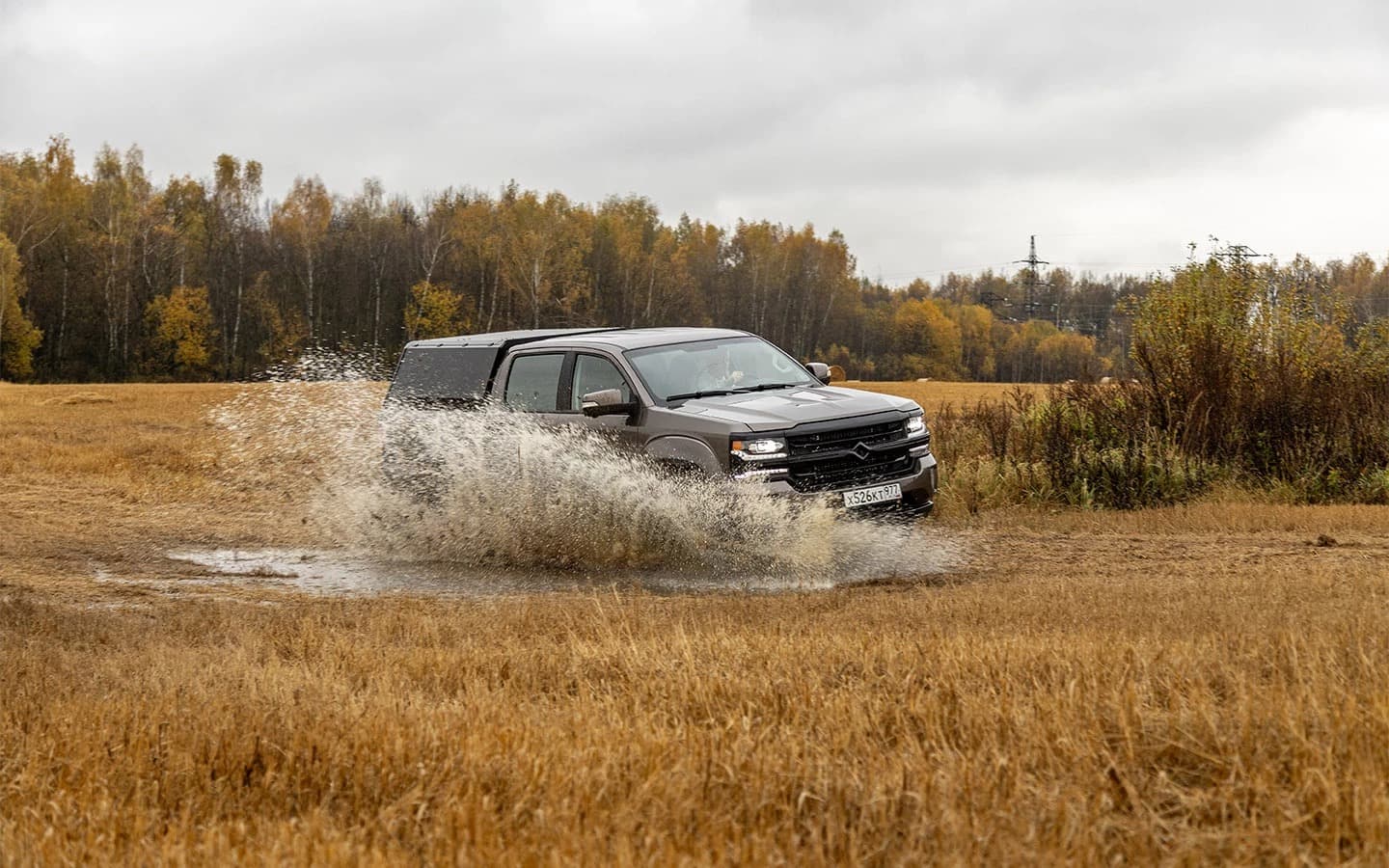
On the road, the pickup's character manifests itself from the first meters: the car requires confident hands and frequent course correction. Vibrations are felt in literally every node - from the steering wheel to the seats. But as soon as you drive onto the ground, the N7 seems to come to life. The licensed Mitsubishi engine with a volume of 2.4 liters and a power of 205 hp delivers dense traction, and the classic eight-speed "automatic" willingly adapts to the driving mode. The spring front suspension and rear leaf springs allow you to carry up to a ton of cargo, and the Part-Time all-wheel drive with a downshift makes the car a reliable companion on field and forest roads. At the same time, the lack of locks does not allow you to relax: whether it is viscous mud or soggy clay, the driver has to work the steering wheel and gas carefully. The ground clearance of 230 mm is impressive, but the modest rear departure angle reminds you that miracles do not happen. In addition, the appetite of the power plant off-road easily exceeds 20 liters.
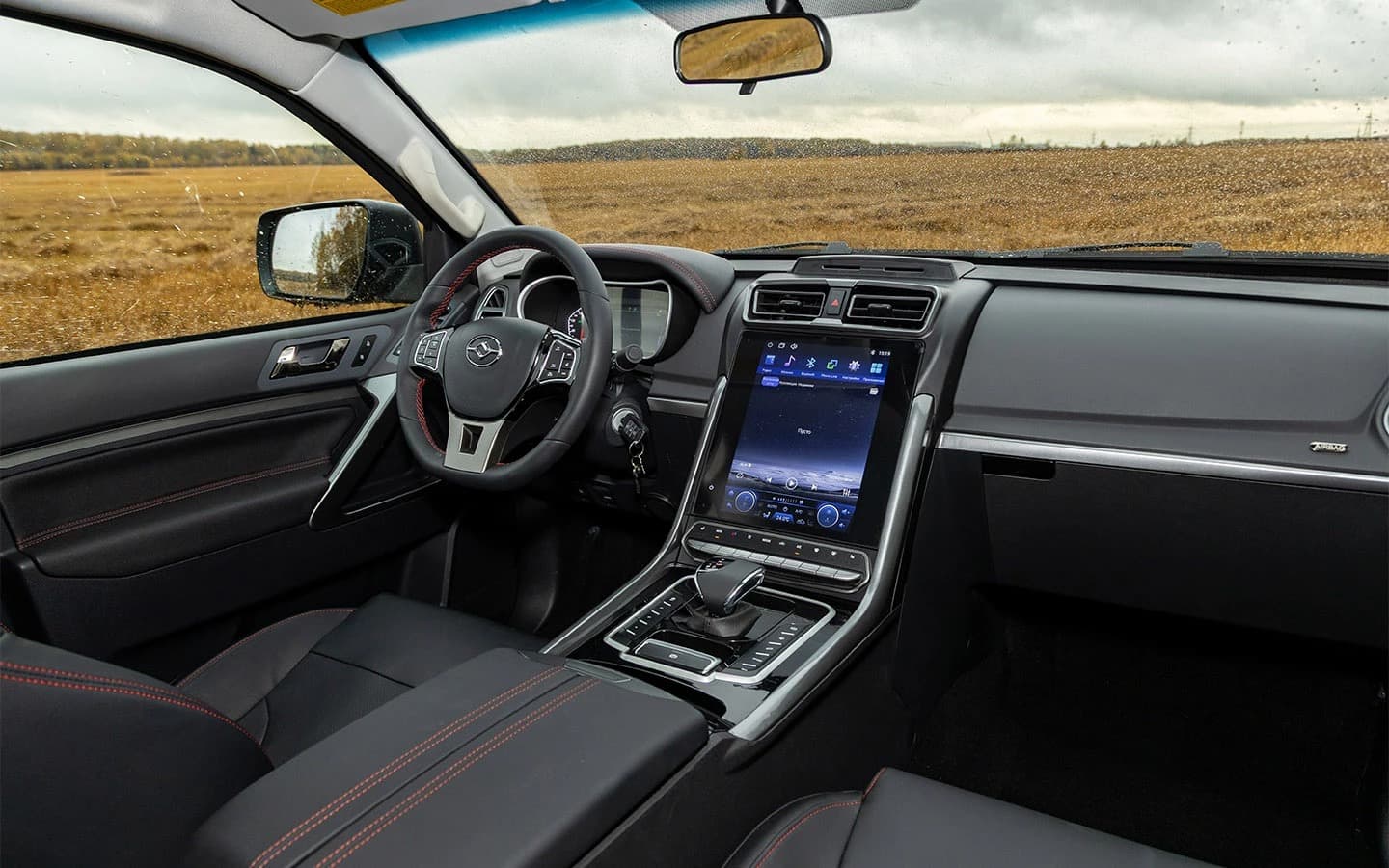
The interior of the N7 meets with austerity and functionality, which makes it more akin to utilitarian work vehicles than to "urban" modern pickups. The plastics are hard, there are fitting flaws, and the steps are fixed so low that it is almost impossible to use them - only convenient internal handles save the day. Nevertheless, the interior cannot be called frankly poor: red stitching on the seats and steering wheel, a two-tier glove compartment, an eyeglass case, height adjustment of the belts, rear lighting - all this creates a feeling of a well-thought-out, albeit simple space. The instrument panel combines analog scales with a digital screen, although small graphics make it difficult to read information. The large vertical multimedia display works slowly, but supports navigation, music, video services and even a radar detector, and Russification and the instruction manual loaded inside become an unexpected plus. Climate control is partially placed on physical buttons, which makes control more convenient.
On the move, the Huanghai N7 feels extremely honest and straightforward. When starting, the pickup literally shakes from vibrations, and the effort on the steering wheel when parking is such that someone may remember cars of past decades. But when driving over rough terrain, the car's character is revealed: the suspension tolerates impacts, the tires cling firmly to the surface, and the engine confidently pulls from the bottom. Electronics in the form of ESC can be completely disabled, which is important for maneuvering on slippery surfaces. However, on asphalt, the N7 loses some of its charm - it transmits bumps roughly, requires constant monitoring of directional stability, and the suspension is far from comfortable. But the reliability of the main components inspires confidence: the engine and gearbox have been used on other models for a long time and have proven their endurance. It is due to such units that the N7 is able to survive thousands of kilometers of heavy operation, albeit without indulging in a smooth ride.
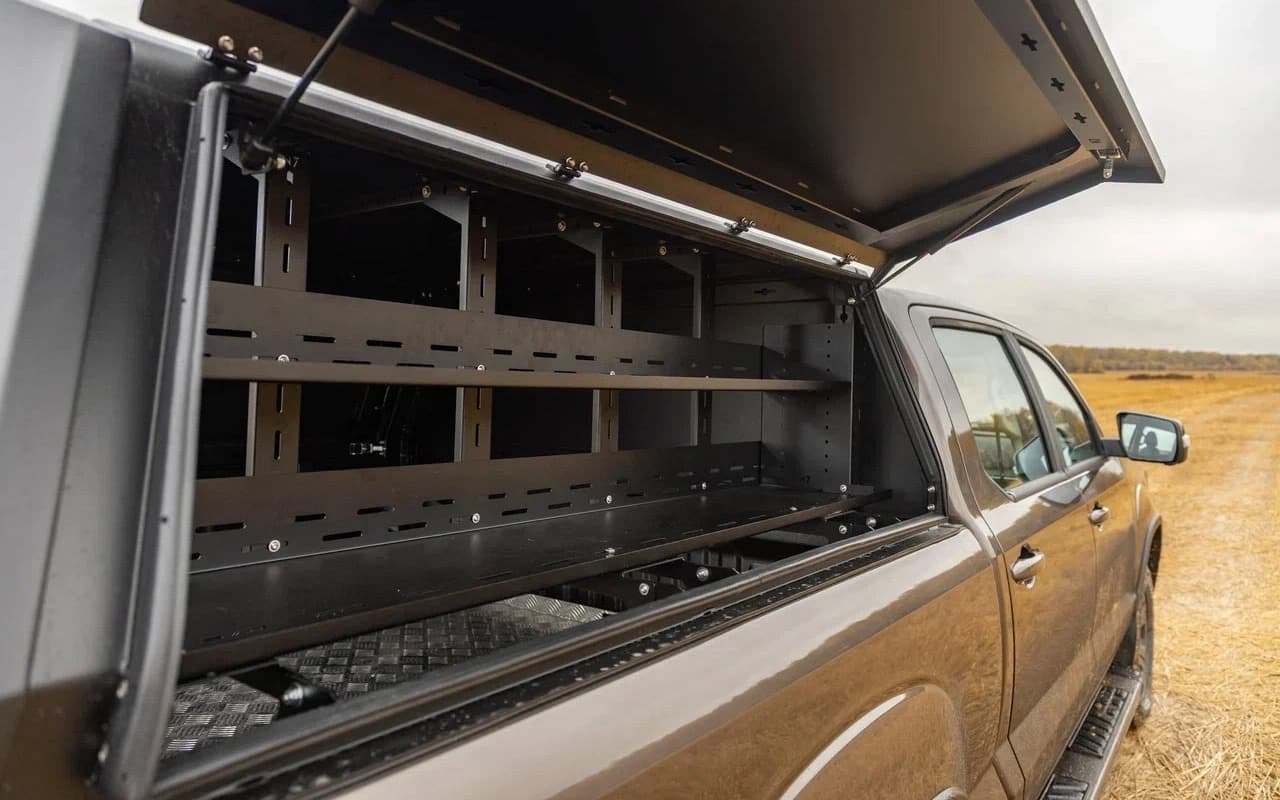
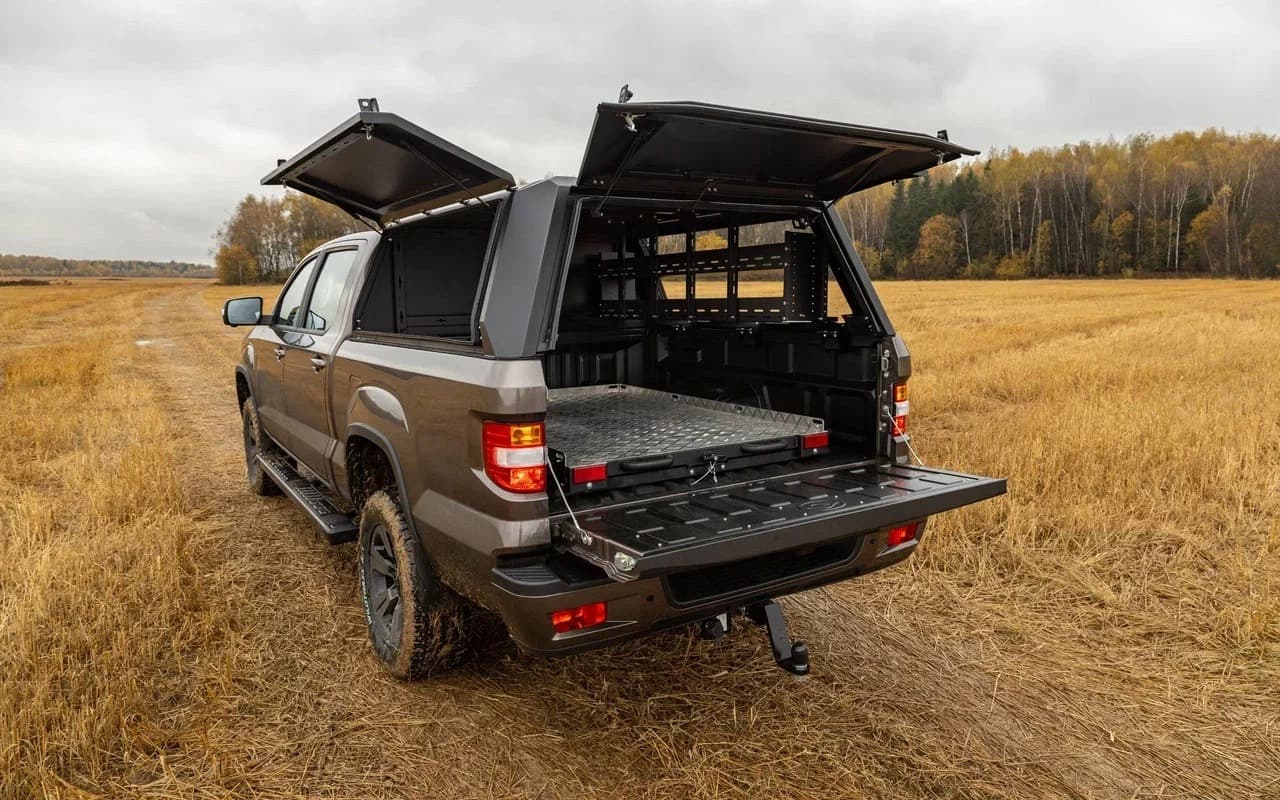
Adaptation to Russia in the N7 is better thought out than one might expect: reinforced paintwork, anti-corrosion treatment of all supplied vehicles, heated windows, mirrors, steering wheel and seats - the entire mandatory "winter" set is initially present. The vehicle type approval certificate indicates the possibility of installing a towing device and a winch, steel protection, a pull-out floor, side boxes and cargo racks are provided. Standard equipment includes all-round cameras, two-zone climate control, cruise control, parking sensors, ABS, ESC and HDC. The three-year warranty even extends to leaf springs - a rarity among budget commercial models.
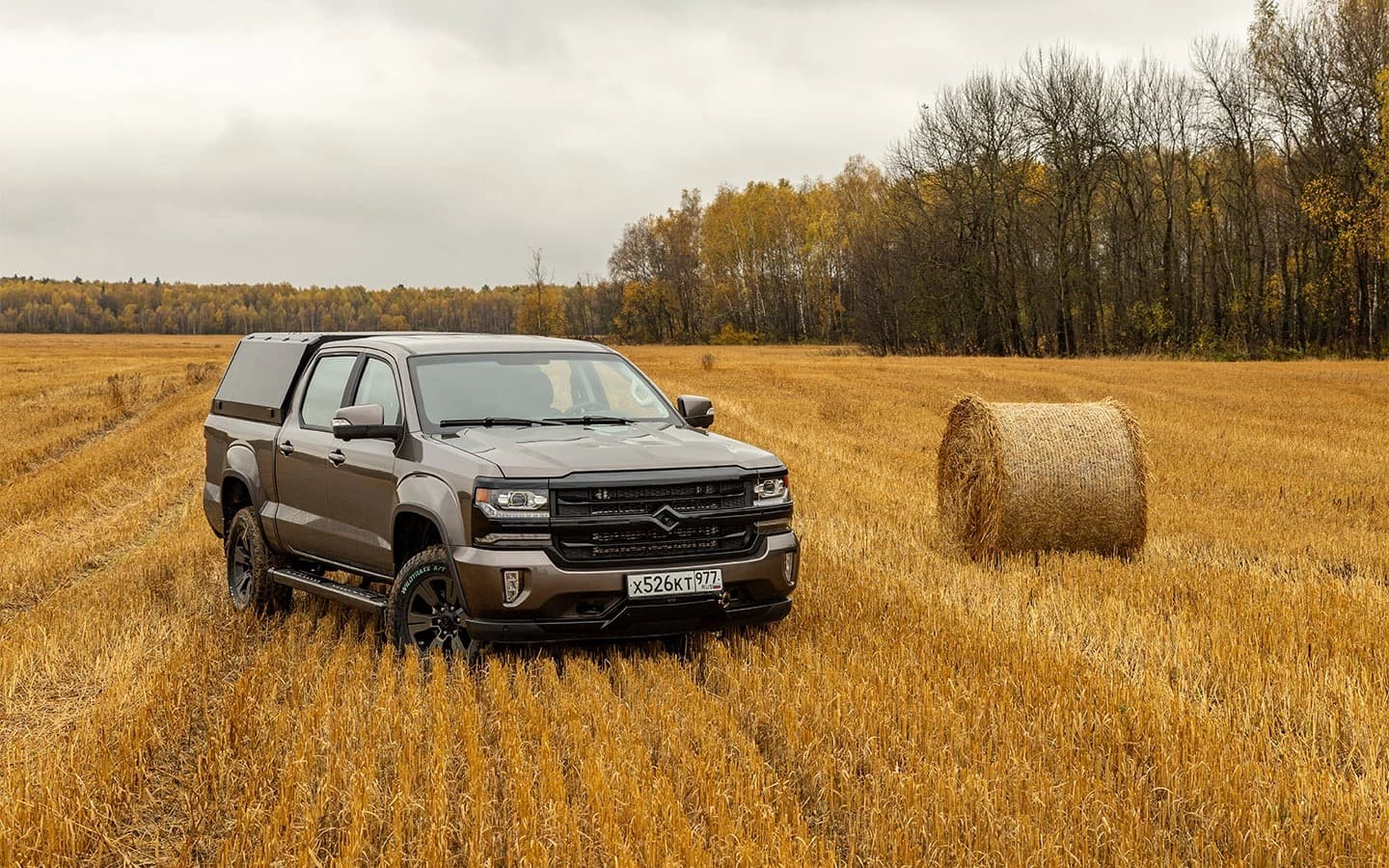
As a result, the Huanghai N7 gives the impression of a harsh, honest and, in its own way, attractive frame pickup for specific tasks. It is huge, noticeable, as applied as possible and clearly aimed at users who value load capacity, traction and a strong design. But you will have to pay for a powerful Japanese engine, an eight-speed "automatic" and large dimensions: the base price is 3.945 million rubles, and the test version costs 4.4 million. The competitor in the face of Poer King Kong is cheaper, but offers fewer opportunities.