Once upon a time, automotive design was truly strange - but not in today's sense, where "strangeness" is expressed in 97-inch displays, emotional lighting, and AI that pretends to know how to think. Previously, strangeness was alive, human - born of the imagination of engineers, not an algorithm.
In the era before endless cost-cutting reports, the people who created cars were allowed to experiment. They could build into an ordinary car a solution that seemed crazy, but suddenly made the driver's life easier. Sometimes this "let's try it" turned out to be a real hit.
Honda Element: an interior that wasn't afraid of a hose
The Honda Element was created for people who wanted to stay forever young, but needed reliable transportation for shopping, boards, dogs, and all the chaos of life. It looked square, straight, and stubborn - as if a giant LEGO tablet had been rolled out.
However, the main thing in the Element was not the design, but the floor, which was allowed to simply be washed with water. No carpet or decorative luxury - just a hard coating, as if whispering: "Go ahead, try to get me dirty." Sand, wool, dirt, snow, spilled beer - everything disappeared in a minute.
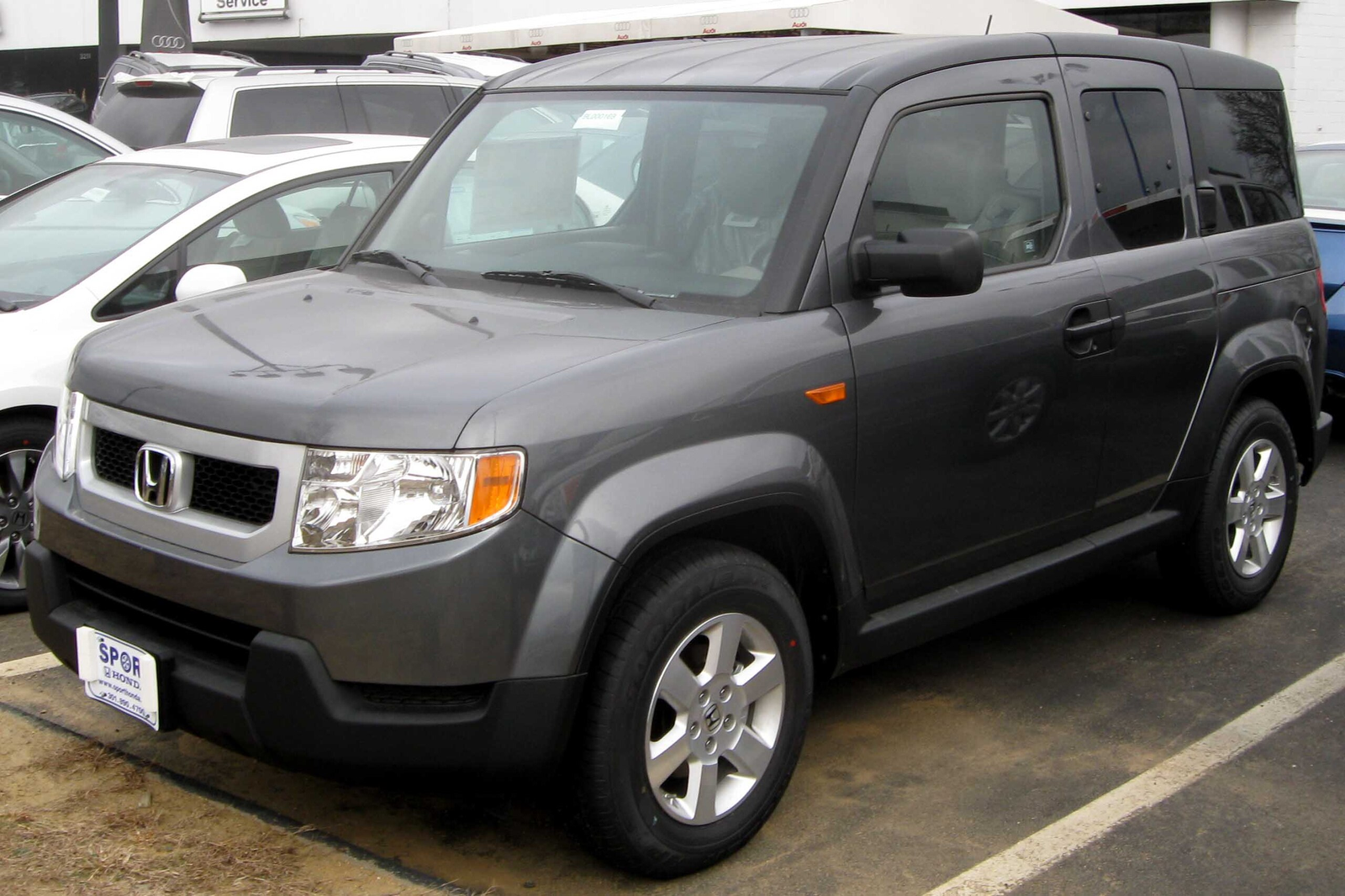
The Element was made for those who use the car, and don't just show it off in the parking lot. While other crossovers competed with leather and lighting, Honda offered vinyl seats, swing doors, and an outlet to plug in a blender on the beach. A car without status, but with amazing meaning.
The world didn't understand it - it was considered strange because they didn't know how to classify it. But at the heart of the Element was honest functionality. Today, many models advertise "washable surfaces," but almost no one dares to let water into the cabin. After all, true luxury is not leather, but the freedom not to think about where a wet dog will jump.
Renault Avantime: the doors of a mad inventor
The Renault Avantime turned out to be so unusual that it crossed the line of madness and became brilliant. A two-door minivan-coupe - the very idea sounds paradoxical, but for some reason it was approved at Matra and Renault.
Among other things, Avantime presented one of the smartest door systems. The huge doors moved outward and slightly forward, following a complex trajectory. This allowed them to be opened in tight spaces without the risk of hitting a neighboring car.
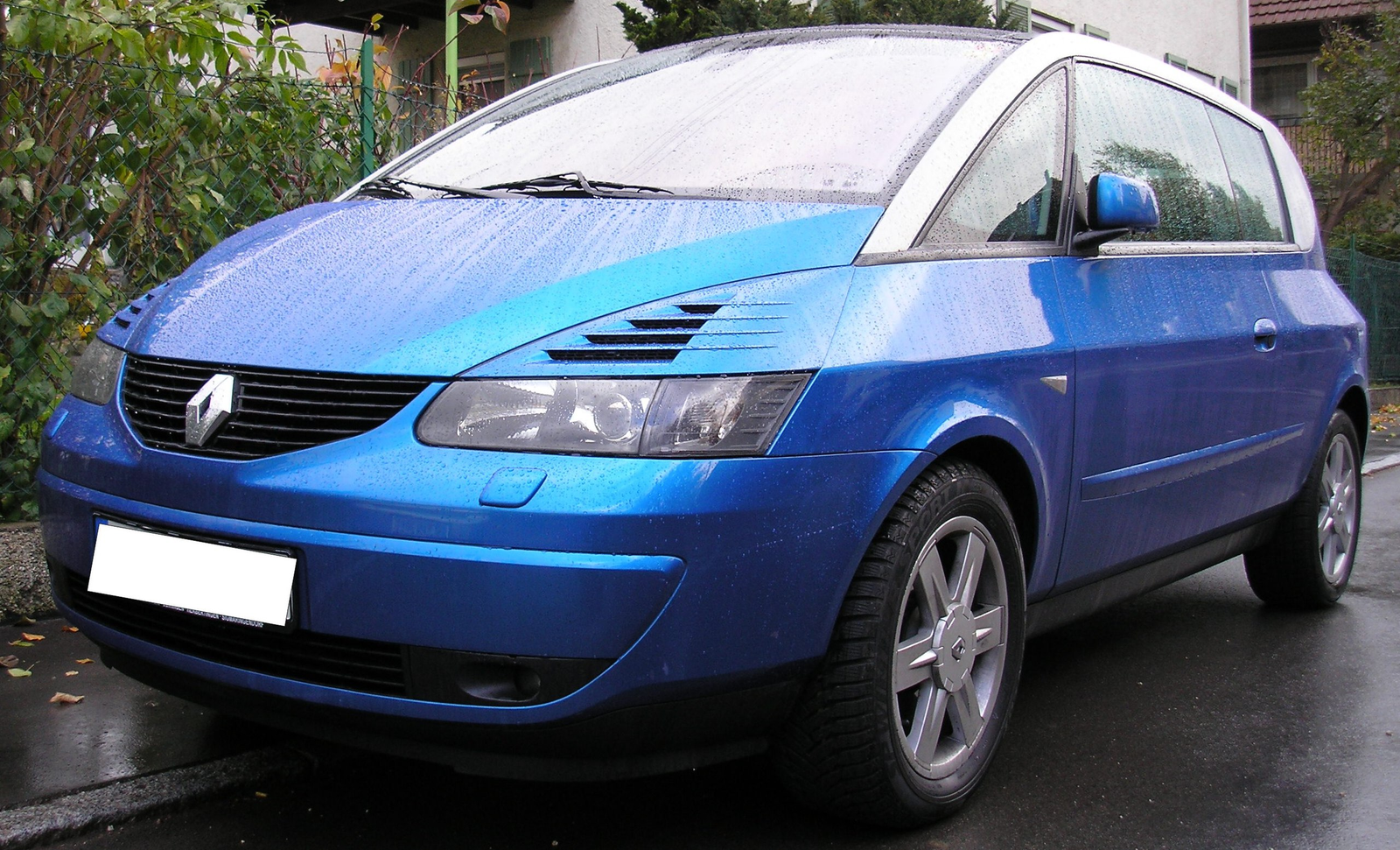
This mechanism was hidden in a car that the public considered a failure. Avantime was not understood because no one knew who it was addressed to. But the doors were a real engineering diamond.
Decades have passed - and there are almost no analogues. Today, the doors simply squeak when something is in the way. And Avantime moved with the precision of a Swiss chronometer.
Citroën C4: stationary center of the steering wheel
The Citroën C4 of the mid-2000s was surprising not only for its advertisement with a dancing robot. Its steering wheel looked like a French whim - the central part remained stationary, and only the rim rotated.
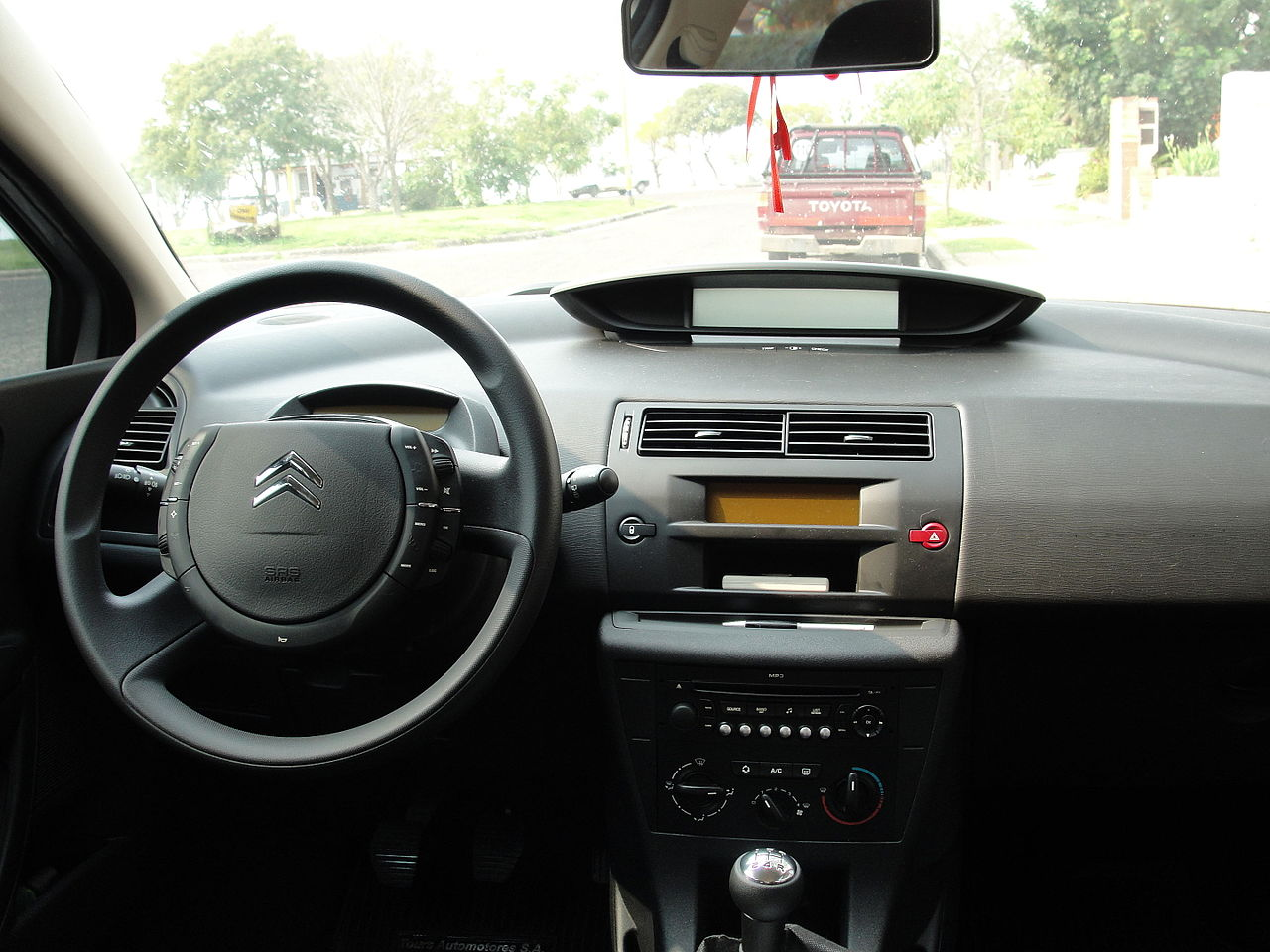
This solution seemed eccentric, but it was practical. The buttons were always in the same place, regardless of the angle of rotation. There was no need to look for volume or cruise control. Plus, the airbag always deployed from a fixed position.
Back then, journalists called it "unnecessary" and "strange." And today, premium manufacturers are trying similar concepts, passing them off as an intuitive interface. Citroën did it back in 2004 - and everyone laughed.
Chevrolet Avalanche: pickup transformer
In 2001, Chevrolet released the Avalanche - a model between the Suburban and a pickup truck. It looked controversial, but the mechanics were amazing: the partition between the cabin and the body could be removed by folding the rear seats. Thus, the short body turned into a 2.5-meter compartment - without trailers, simply thanks to a well-thought-out system.
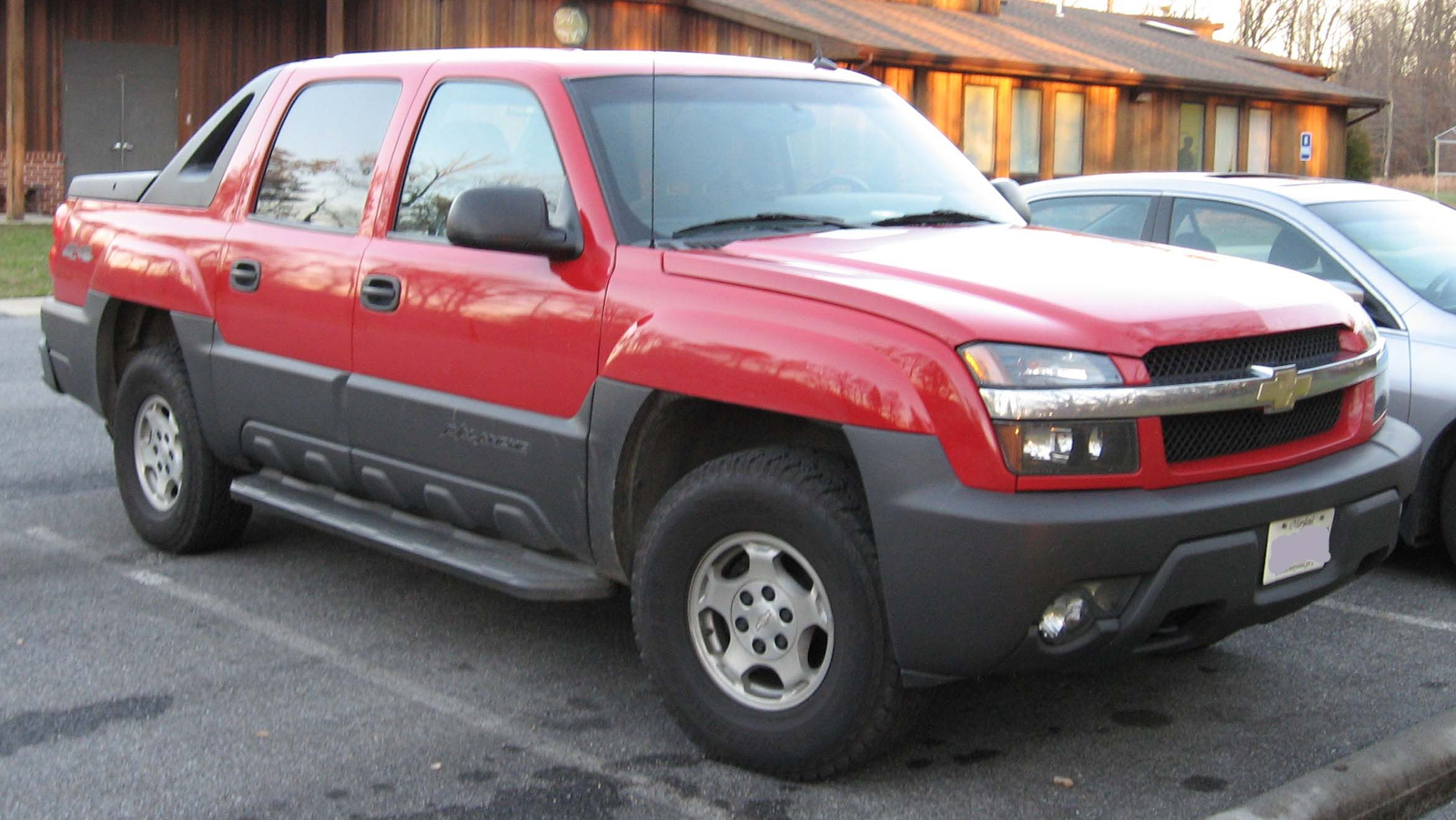
Seals, hinges, window-opening - everything was made with a margin of safety and practicality. The Avalanche could carry boards, sports equipment, or everything at once.
But the appearance and plastic played against the model: buyers did not understand who it was. Later, GM returned this concept in the electric Silverado EV, presenting it as a discovery. Although Avalanche already knew how to do all this.
Pontiac Aztek: the strangest camper on the roads
The Pontiac Aztek is a car that is still joked about. It was as if it was created by a group of origami fans who were given plastic and freedom of creativity. It looked like a mistake that made it to the assembly line. But under this ambiguous appearance lay an idea that outlived its time: a removable refrigerator in the central tunnel, a camping tent that turned the stern into a mini-house, and modules for luggage. Today, Subaru or Toyota sell such things as "accessories for an active life" for thousands of dollars. Pontiac introduced it first - and was ridiculed.
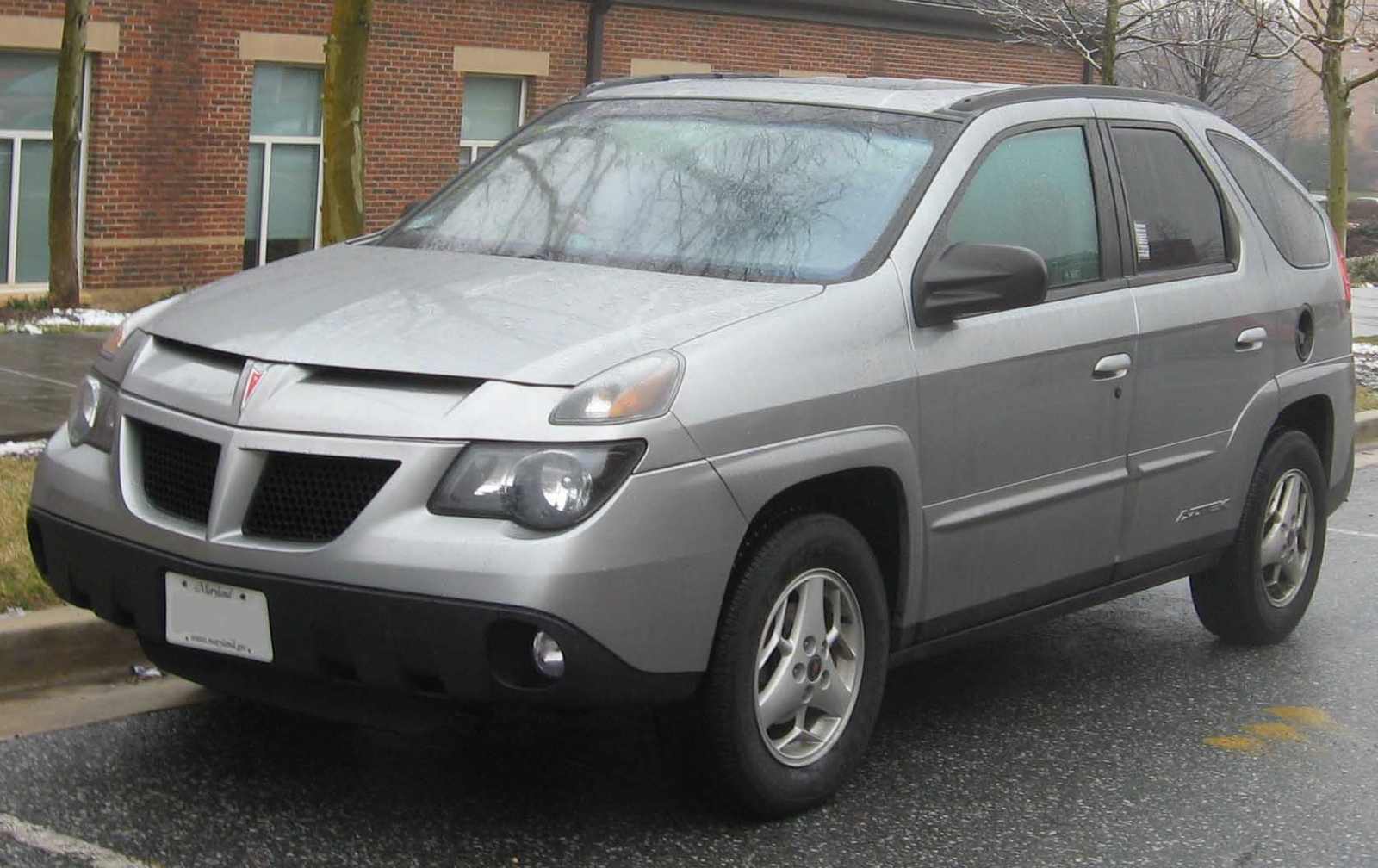
The Aztek was more of a multi-tool than a car. But the world rejected it for its appearance. Today, similar solutions are found in Rivian and Hyundai, only under fashionable names.
Pontiac did it without marketing dust - honestly and first.
Mercedes-Benz Vaneo: maximum space in miniature
The Mercedes-Benz Vaneo is an almost forgotten episode in the brand's history. The 2002-2005 model, built on the A-Class base, looked strange: small wheels, huge windows, a high body. But inside was a truly brilliant idea - a huge interior by the standards of length.
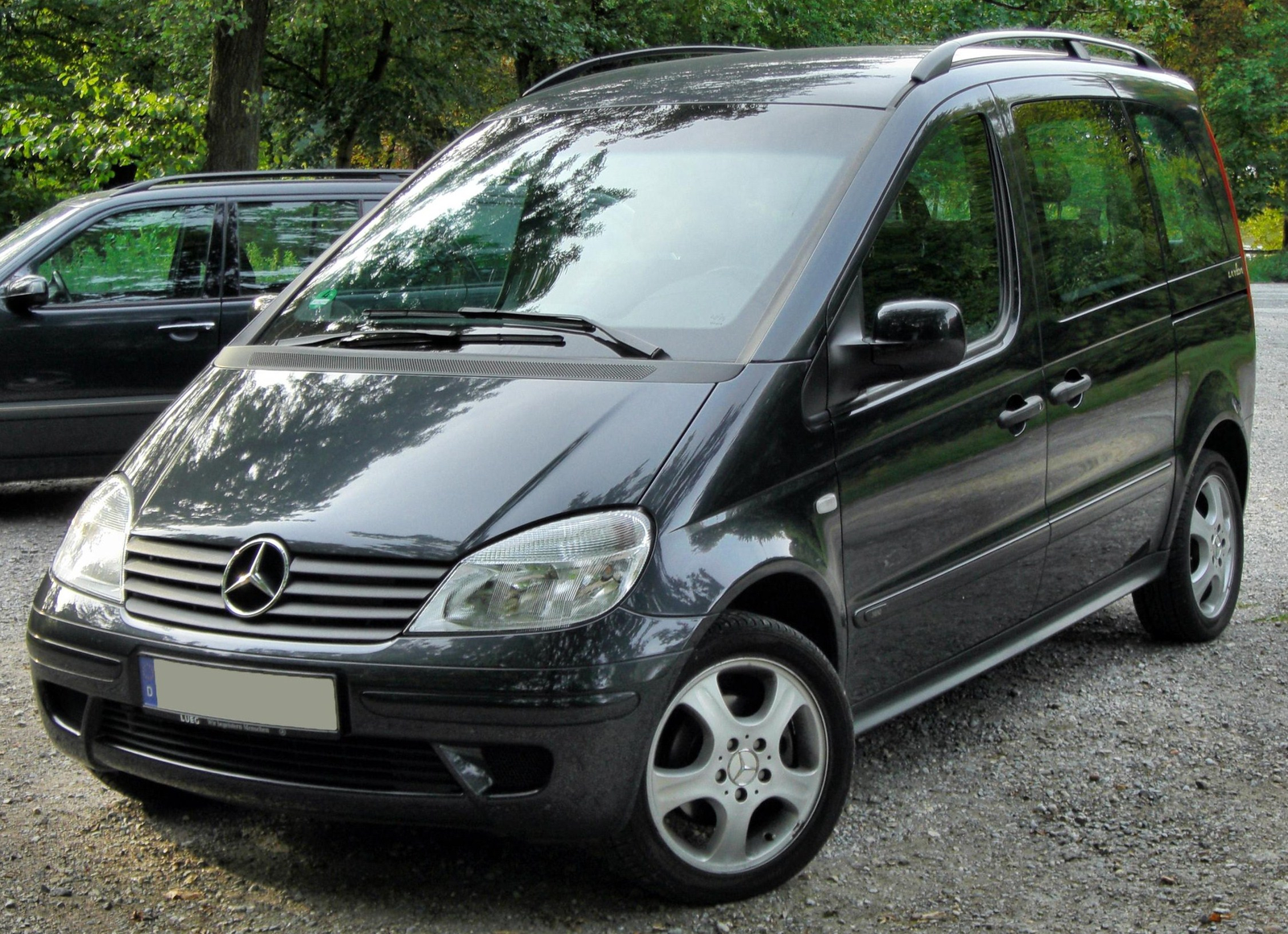
With a size of only 4.2 meters, the Vaneo could carry up to 3000 liters of cargo. The "sandwich floor" of the A-Class made it possible to create a flat space, a high ceiling, and two sliding doors. It was a small car with the logic of a van.
He didn't try to shine - he just did his job. If such an electric car were released today under the EQ brand, the Internet would go crazy with delight about rationality.
Vaneo proved: spaciousness is not necessarily large size. Sometimes honest engineering is enough.
Read more materials on the topic:
- 5 Forgotten Legends: The Most Underrated Muscle Cars
- 5 Models That Impressed Experts But Never Gained Buyer Recognition
- Cars That Are Cool Without Speed
Комментарии