In the stream of modern cars that look more like gadgets, the Alfa Romeo 75 looks like a guest from another era. Today, meeting such a sedan is a rare success, but the real exoticism is hidden not outside, but in the design. The model's engineering solutions seem daring even by the standards of the 1980s, and the 40th anniversary is a great occasion to remember how the last classic rear-wheel drive Alfa Romeo of the old school appeared.
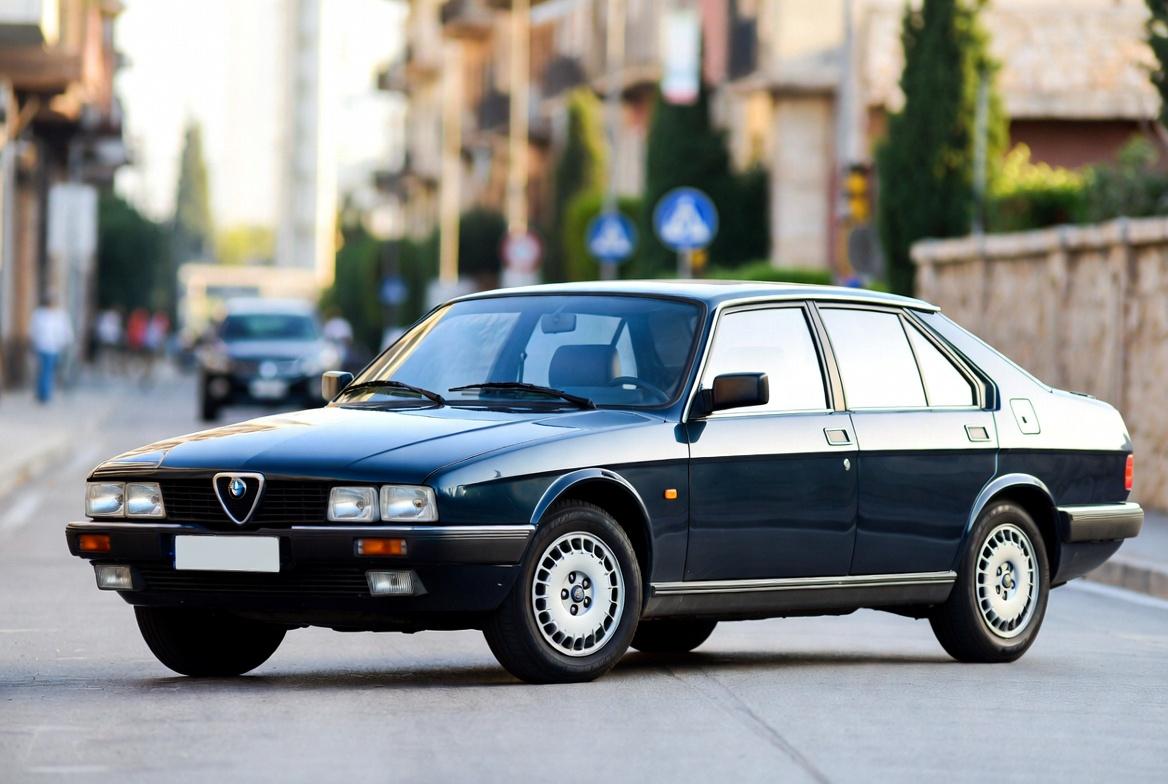
For a whole generation, the Alfa Romeo 75 is forever associated with the image of Commissioner Corrado Cattani from the TV series "The Octopus". The blue sedan became an integral part of the hero's screen image, a symbol of speed, determination and Italian character. The car received clean lines, a short trunk tail, powerful rear arches and a slightly raised glazing line.
The history of the brand itself has always developed in spite of circumstances. Financial crises and the struggle for survival did not prevent Alfa Romeo from creating non-standard, truly sports equipment. In the second half of the 1980s, the company was already under the control of Fiat, which meant that the era of engineering freedom was coming to an end. However, it was at the end of independence that the 75th was born - a car that incorporated the best and most daring ideas of the past years.
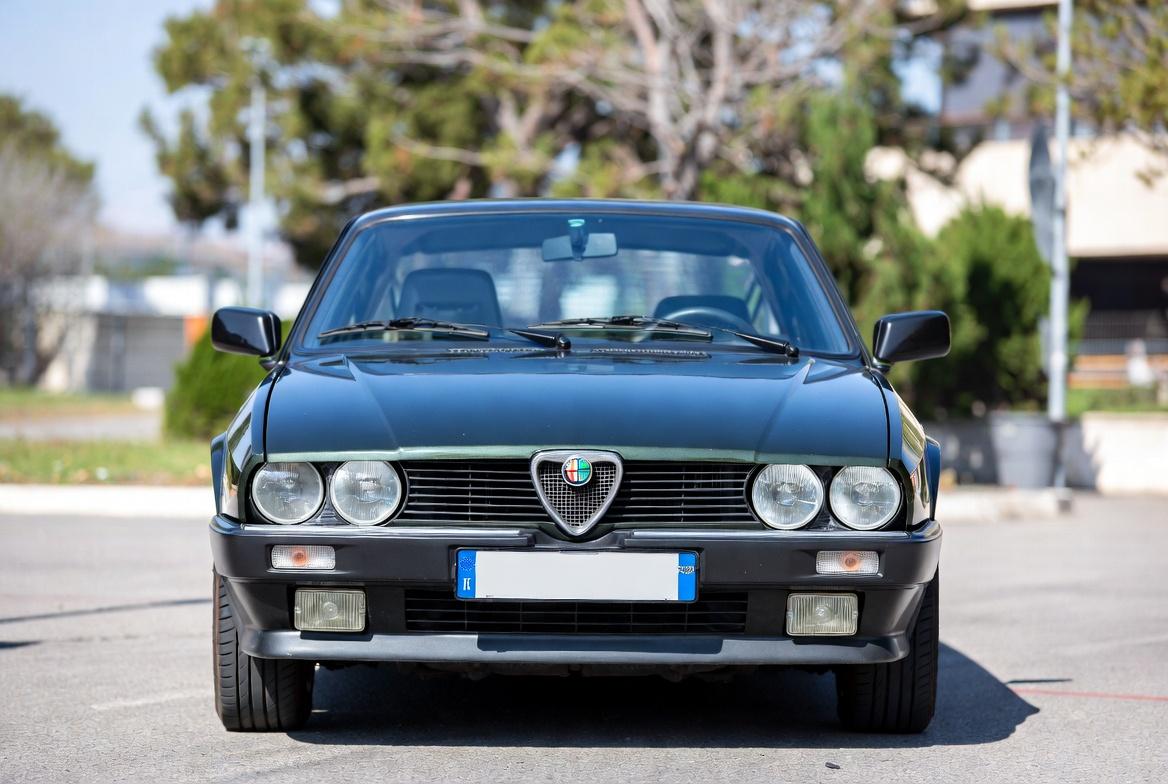
This boldness was not new to Alfa Romeo. Back in the 1960s, the brand produced the 33 Stradale, a mid-engined sports car with a V8, dry sump and a weight of only 700 kg. In the 1970s, the Alfetta appeared, which received a transaxle scheme rare for a sedan, in which the gearbox and main gear were located at the rear axle for ideal weight distribution. It was this architecture that later formed the basis of the Giulietta and, ultimately, the Alfa Romeo 75.
Creating a jubilee model for the 75th anniversary of the brand, the engineers were forced to save money, but not abandon their principles. The front doors were borrowed from the Giulietta, the design was entrusted to their own studio under the leadership of Ermanno Cressoni, and the chassis was taken not just proven, but brought to perfection. The transaxle scheme was retained, double wishbones with torsion bars were used at the front, and a De Dion suspension with brakes removed to the gearbox to reduce unsprung masses was used at the rear.
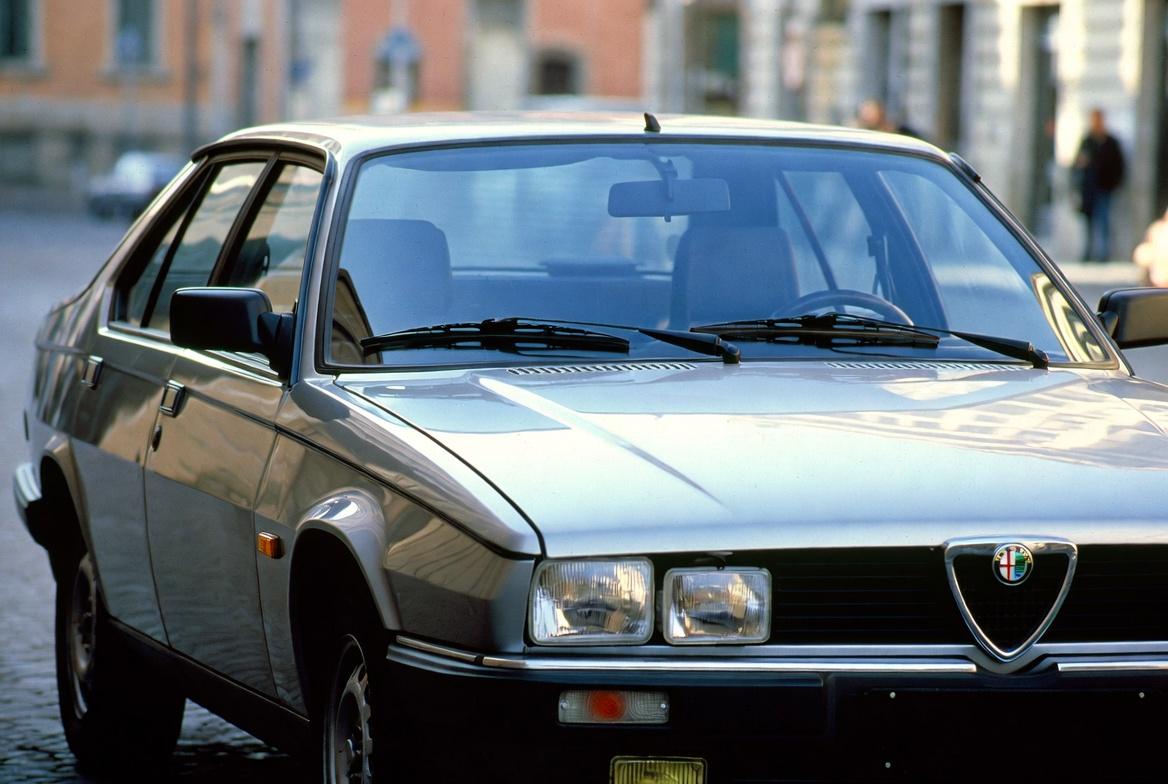
The engine range looked no less interesting. The base was the company's signature two-shaft Twin Cam "fours" with a volume of 1.6-2.0 liters, and the real highlight was a 1.8-liter turbocharged engine with a capacity of 155 hp with a Garrett T3. Above were V6s with a volume of 2.5 and 3.0 liters, the latter developing up to 192 hp. The crown of the line was the rarest Alfa Romeo 75 Turbo Evoluzione - a homologation version for Group A races, created with an eye to touring championships.
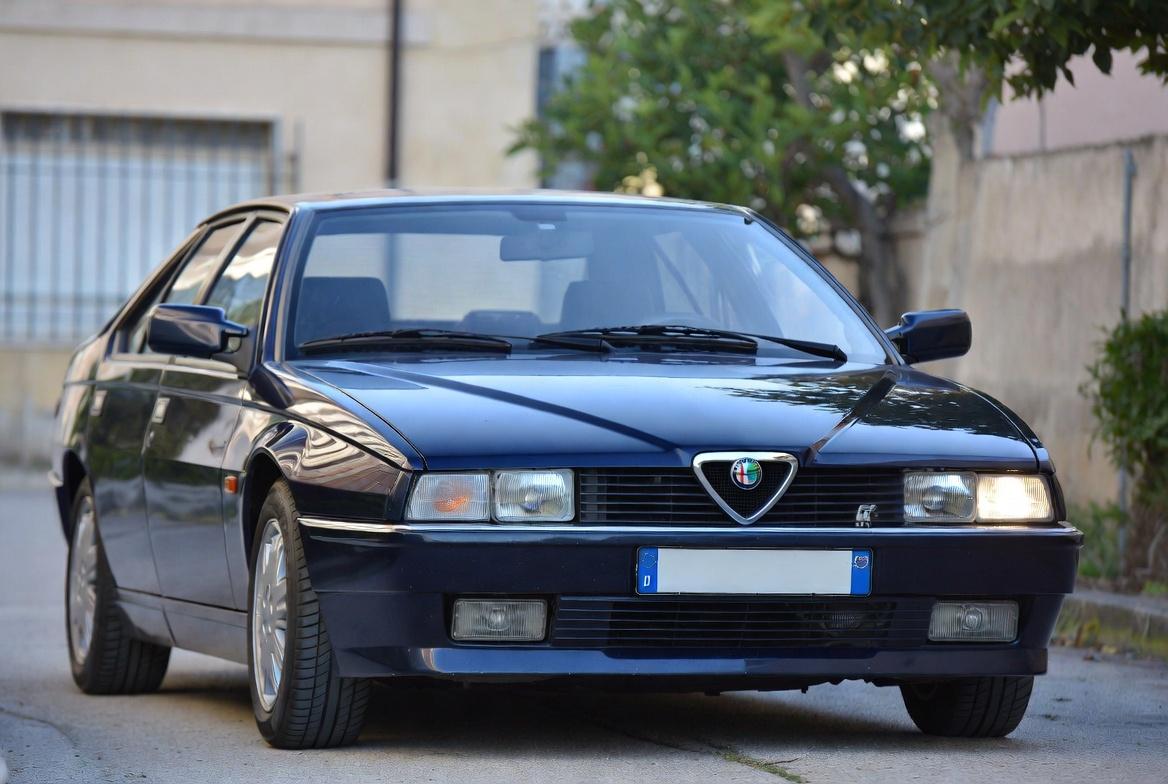
In motorsport, the Alfa Romeo 75 did not repeat the brand's previous triumphs, but managed to leave a mark, winning the Italian national championship and imposing a struggle in international series. At the same time, the car turned out to be unexpectedly successful in the market: more than 236 thousand cars were sold in the first three years, and the total circulation exceeded 386 thousand copies. Alfa Romeo returned rear-wheel drive only in 2015 with the Giulia, but the success of the Alfa Romeo 75 has not yet been repeated.
Read more materials:
- AvtoVAZ officially explained what gasoline should be poured into Lada
- "Moskvich" announced prices for the Moskvich 6 sedan of the 2026 model year
- Tank raised prices for the entire model range in Russia: Tank 500, 700 and 400 have risen in price
Комментарии