The return of the "Moskvich" brand itself became a significant event for the Russian market. However, behind the familiar name lies the Chinese JAC JS4, not the most outstanding representative of the compact crossover segment. Today, the "Moskvich 3" is increasingly appearing on the secondary market, which raises the question: why are owners getting rid of the car so quickly, and is it worth considering buying a used one?
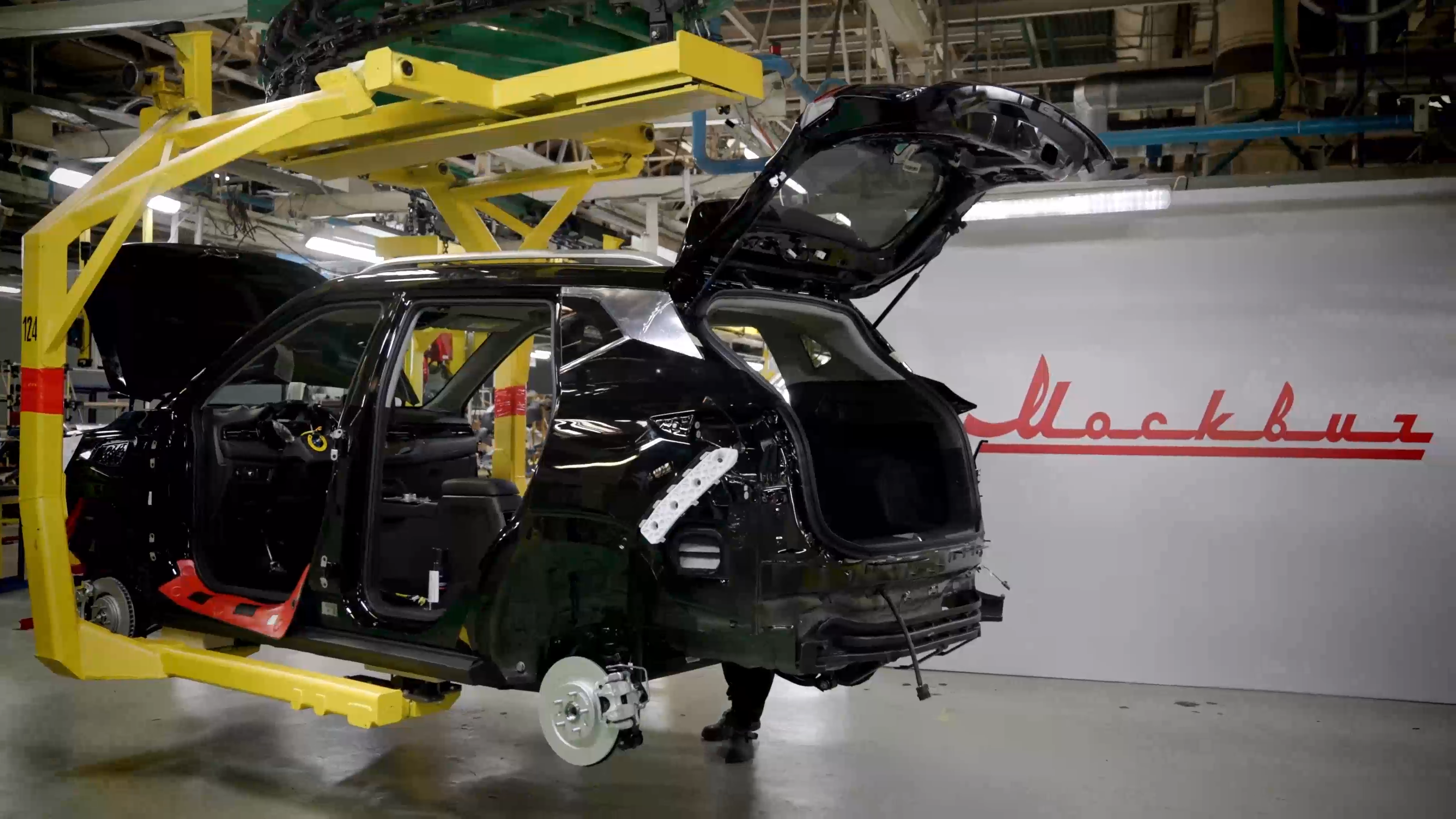
The model was launched in late 2022 and became the first production car of the revived brand. Under the hood is a 1.5-liter turbocharged engine with 136 hp, working with a 6-speed manual or a Punch CVT, with front-wheel drive only. The design is as simple as possible: MacPherson struts at the front, a torsion beam at the rear, and disc brakes all around. Later, an electric version, the "Moskvich 3e," also appeared, but gasoline cars dominate the secondary market.
The used "Moskvich" market has already formed: on Drom alone, there are about 250 cars offered, mostly with a CVT. Prices start at approximately 900 thousand rubles and go up to 2 million, while a new crossover costs 2.12–2.25 million rubles. The range is wide, but the offers have one thing in common — most cars are sold with low mileage, often under 50 thousand km.
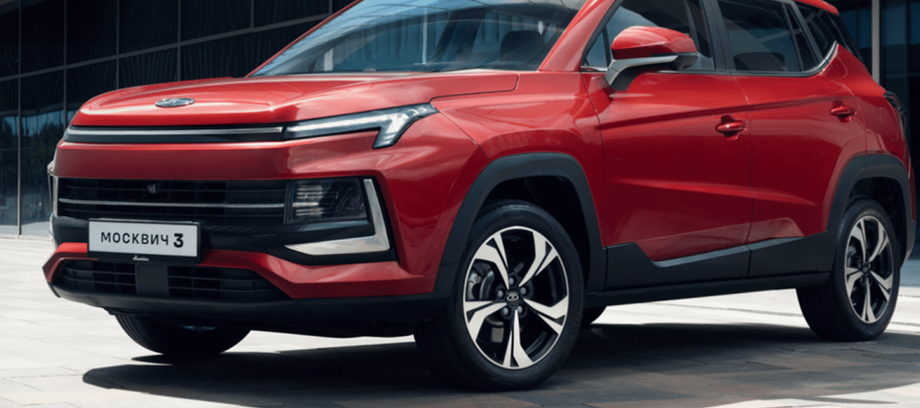
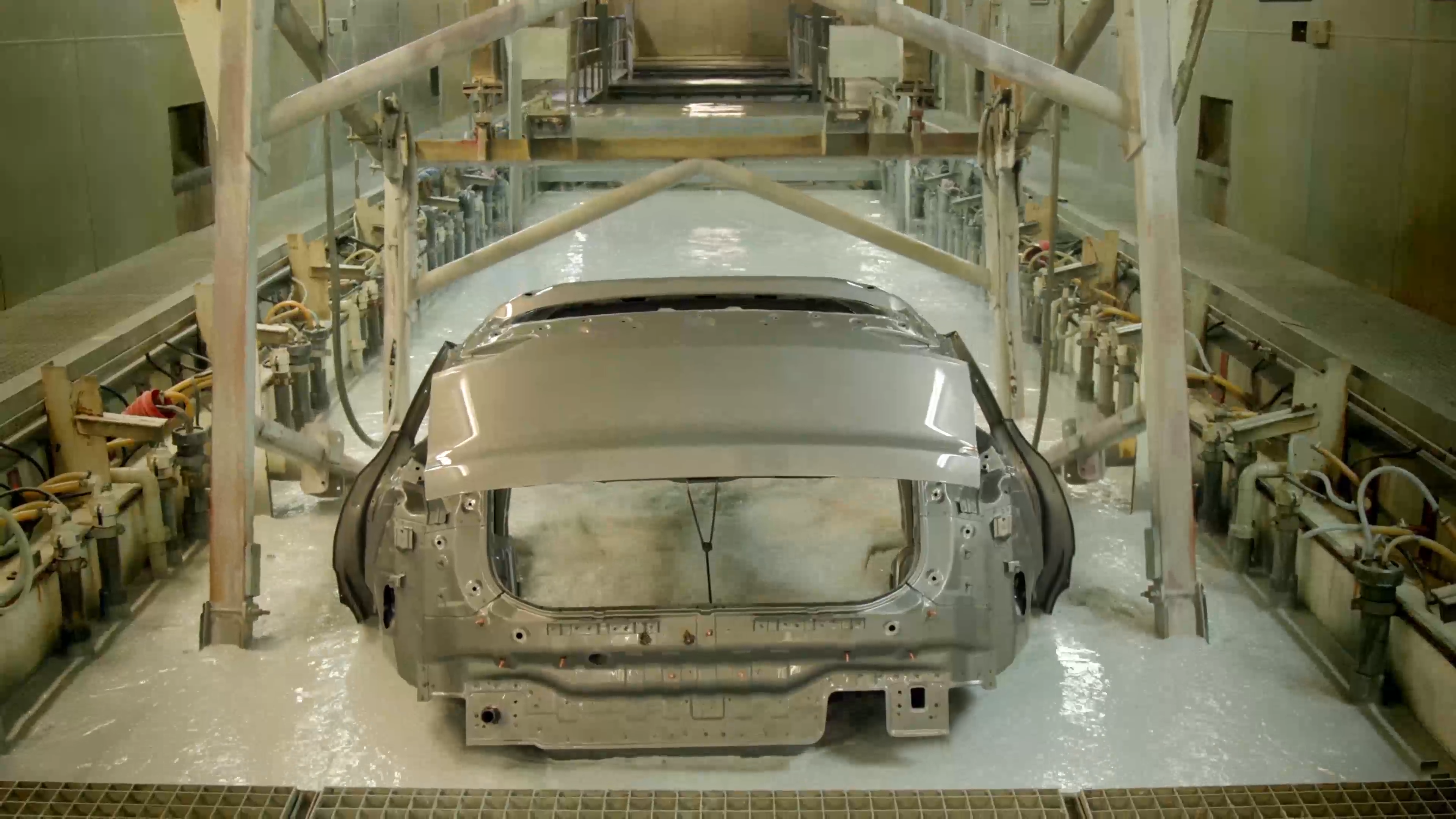
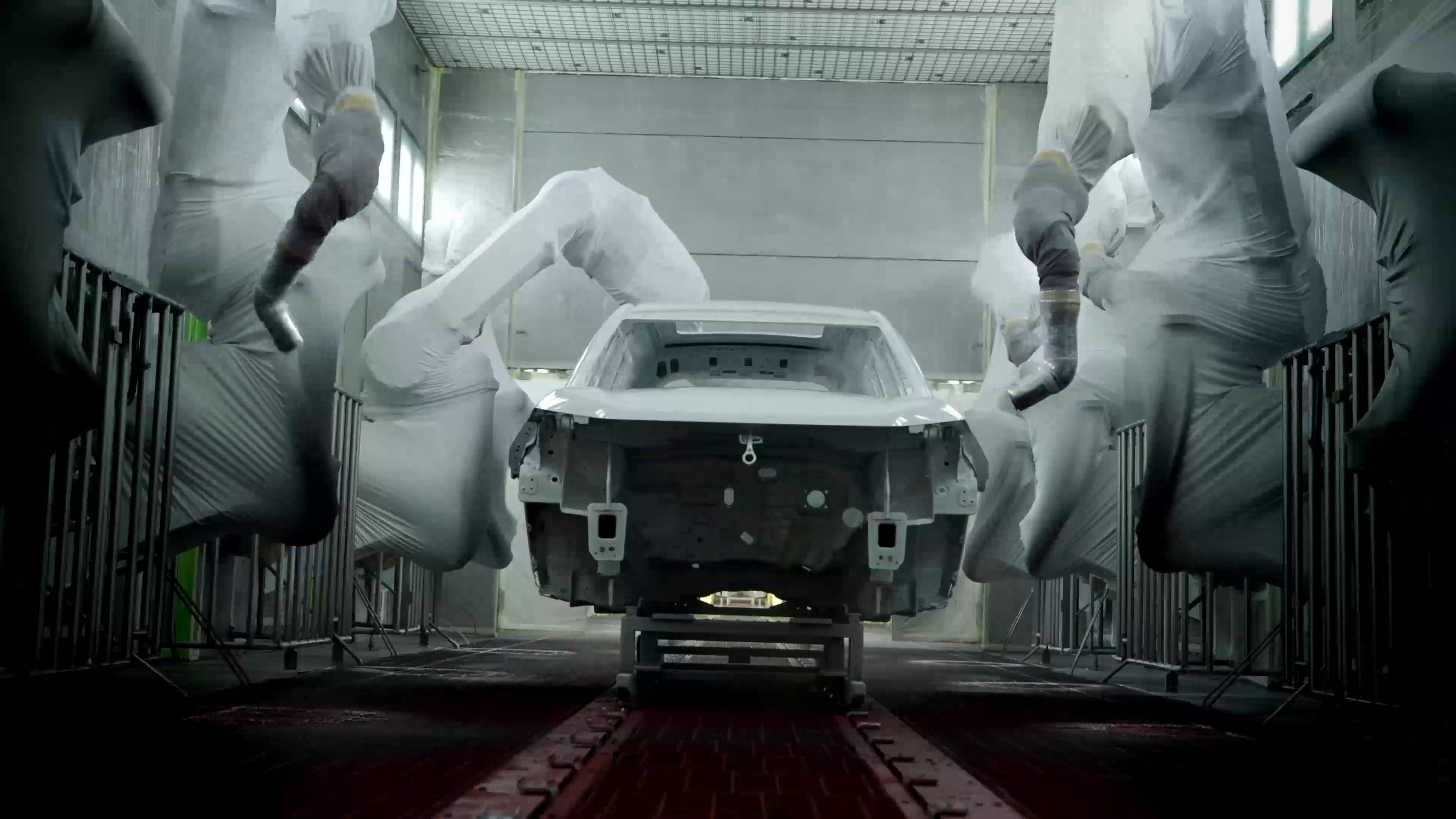
From a reliability standpoint, the picture is mixed. Anti-corrosion protection is average: there is no full galvanization, and after a couple of winters, rust spots often appear on the edges of the doors and hood. The paintwork is prone to chipping, the chrome tarnishes, the roof rails peel, and the windshield quickly wears out. Inside, the plastic often creaks, the eco-leather seats wear out faster than expected, and minor electrical glitches are common.

The HFC4GB24D engine itself is generally good: chain-driven timing, without widespread oil consumption issues, and a lifespan of about 250 thousand km. However, it is sensitive to fuel quality, and early cars had turbo whistle and weak engine mounts. The Punch VT3S CVT is the main risk: it does not like overheating, requires frequent oil changes, and does not tolerate wheelspin. If maintenance is ignored, bearing noise quickly appears, with the risk of serious repairs. The manual gearbox, on the other hand, causes almost no problems.
Inspections of real cars only confirm the statistics. Even well-maintained examples with low mileage are often sold due to minor issues that, in total, annoy owners — from an inconvenient trunk to jerky CVT operation in traffic jams. There are also more serious cases: corrosion under the hood, factory assembly defects, and problems with multimedia, brakes, and seats. A separate category is former taxis with worn interiors and " рыжиками" all over the body, albeit at an attractive price.
As a result, the "Moskvich 3" cannot be called a failed car, but its liquidity and reputation on the secondary market raise questions. The model has potential: simple technology, affordable spare parts, and a clear design. However, the reality is that owners try to sell the crossover as early as possible, and the buyer has to choose carefully and budget for improvements. For now, the "Moskvich 3" remains a car that people are more likely to run away from than aspire to.
Read more materials:
Now on home

Two cars of the same era, created for currency export, but with different philosophies

The crisis, compromises, and wrong decisions that buried a promising model


Resident of Sverdlovsk Region Recovers 192,000 Rubles and Receives Compensation

At the end of 2025, the crossover topped the sales ranking of new cars in the capital

The legendary racer moves around in a wheelchair and is under constant medical supervision

What malfunctions do owners of the Togliatti flagship most often encounter?

Slow shifting in the cold is not normal, but the first sign of transmission problems

The car features improved design and electronics

Now it's Rolls-Royce

Even with the recycling fee, the car will cost less than from official dealers

The model also received new trim levels