The Honda CR-V was once a mainstay of the Russian crossover market. In the early 2010s, it fought for leadership in the class on equal terms, and dealers barely managed to receive car carriers. The sixth generation CR-V is now on sale for 6-8 million rubles, is imported from China, and is only for those who are not ready to abandon the brand for the sake of fashionable Chinese novelties. The CR-V has become an exotic, a choice "for insiders" - those who believe in the brand, not in dry specifications.
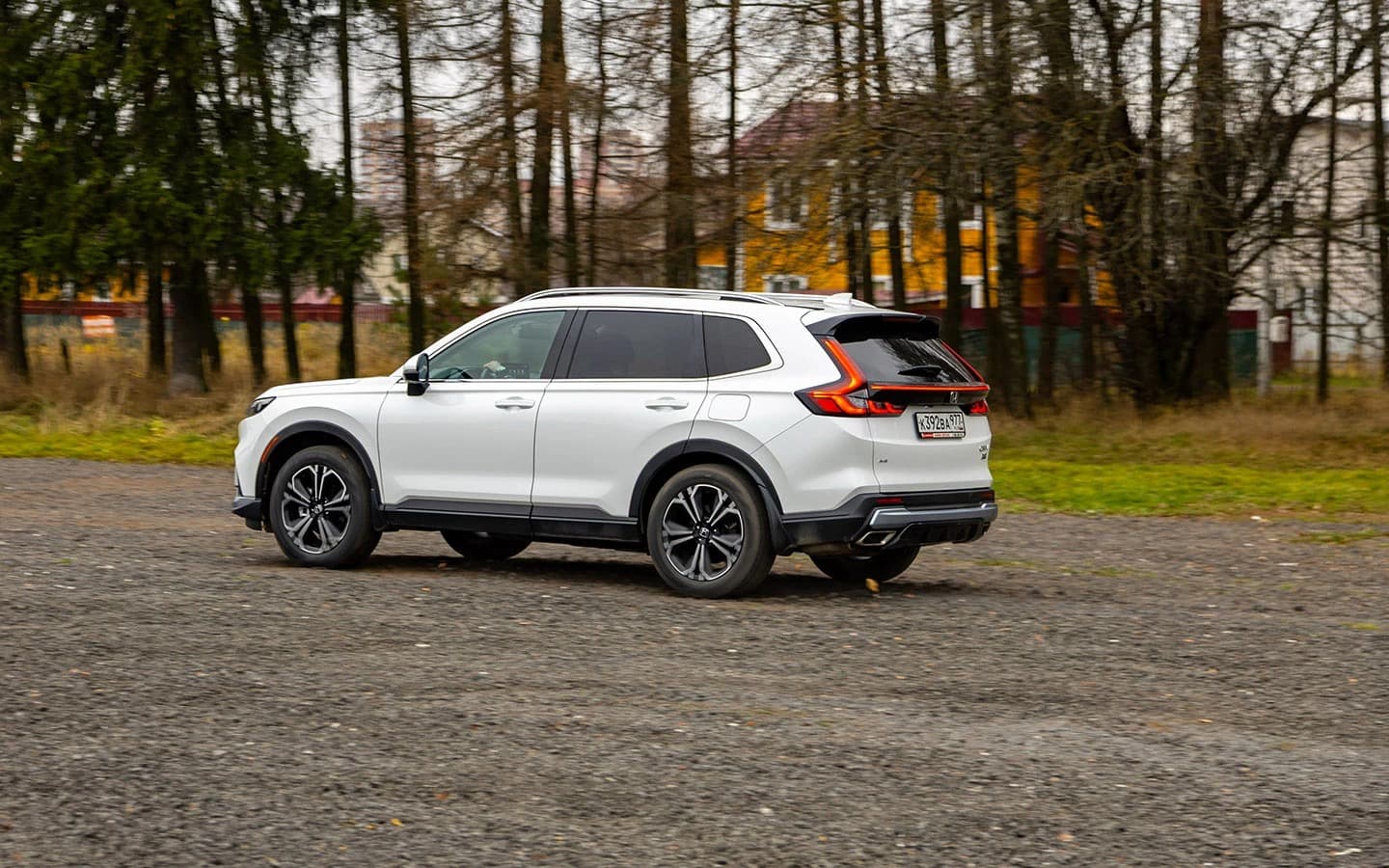
The model's appearance is instantly recognizable, but it has neither extravagance nor an attempt to adapt to modern style. Calm lines, a minimum of chrome, no design frills - the car seems to say that it was created for every day and "without unnecessary words." With a length of 4694 mm and a wheelbase of 2700 mm, the CR-V offers a solid amount of space, and a palette of five colors emphasizes the desire for versatility: the Japanese hit is not trying to stand out - it doesn't need to.
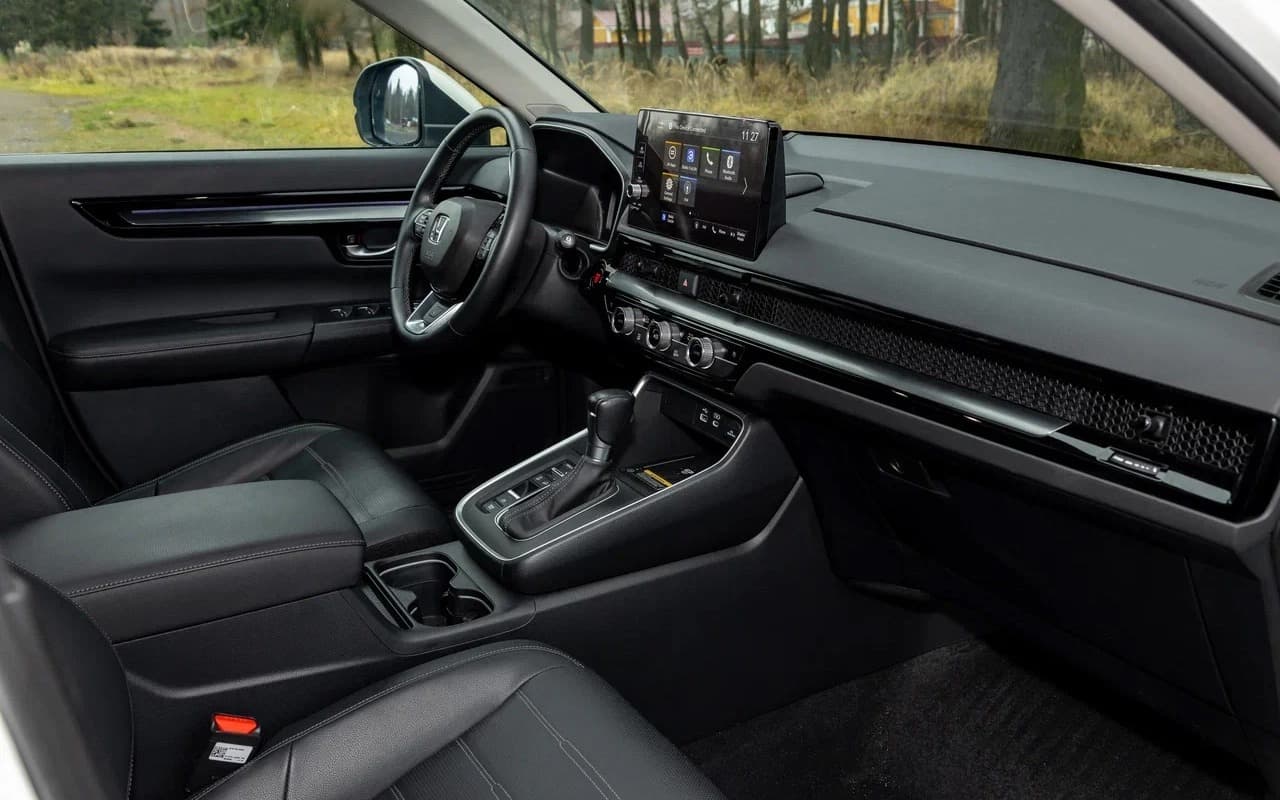
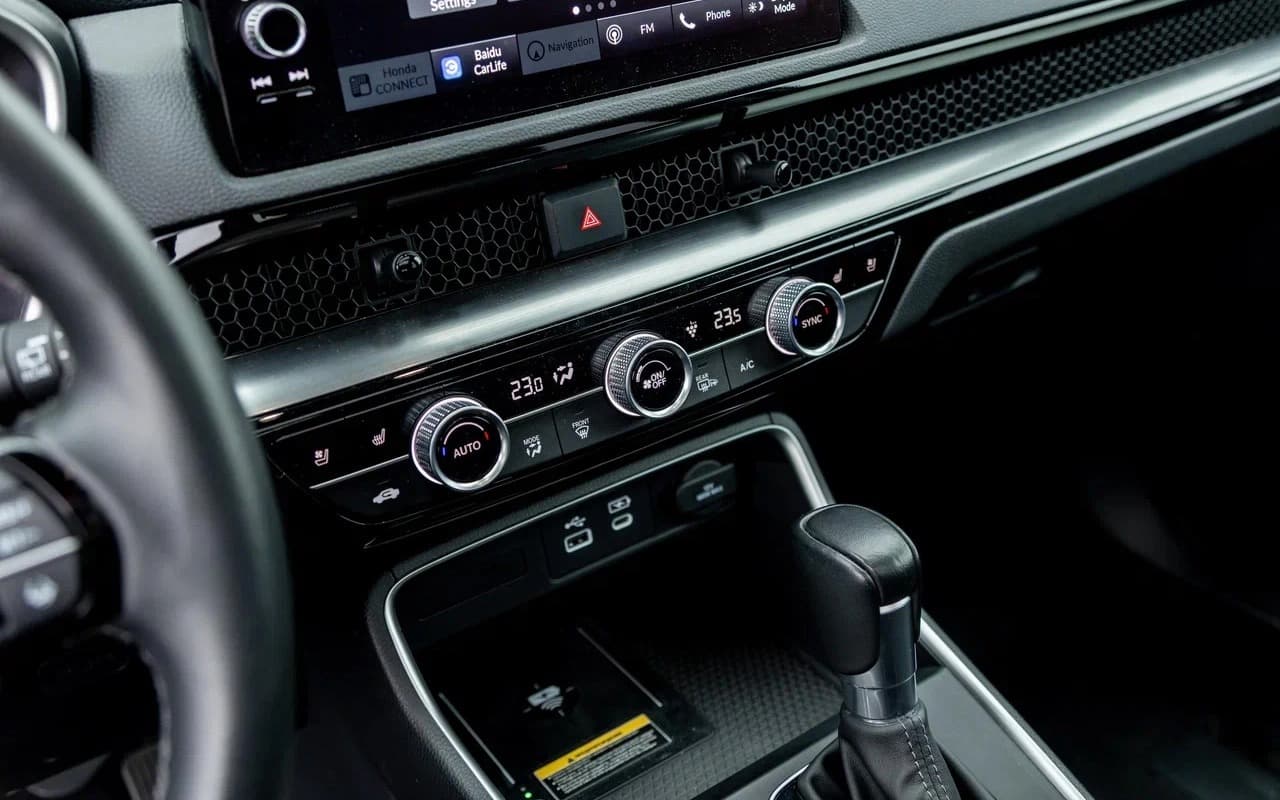
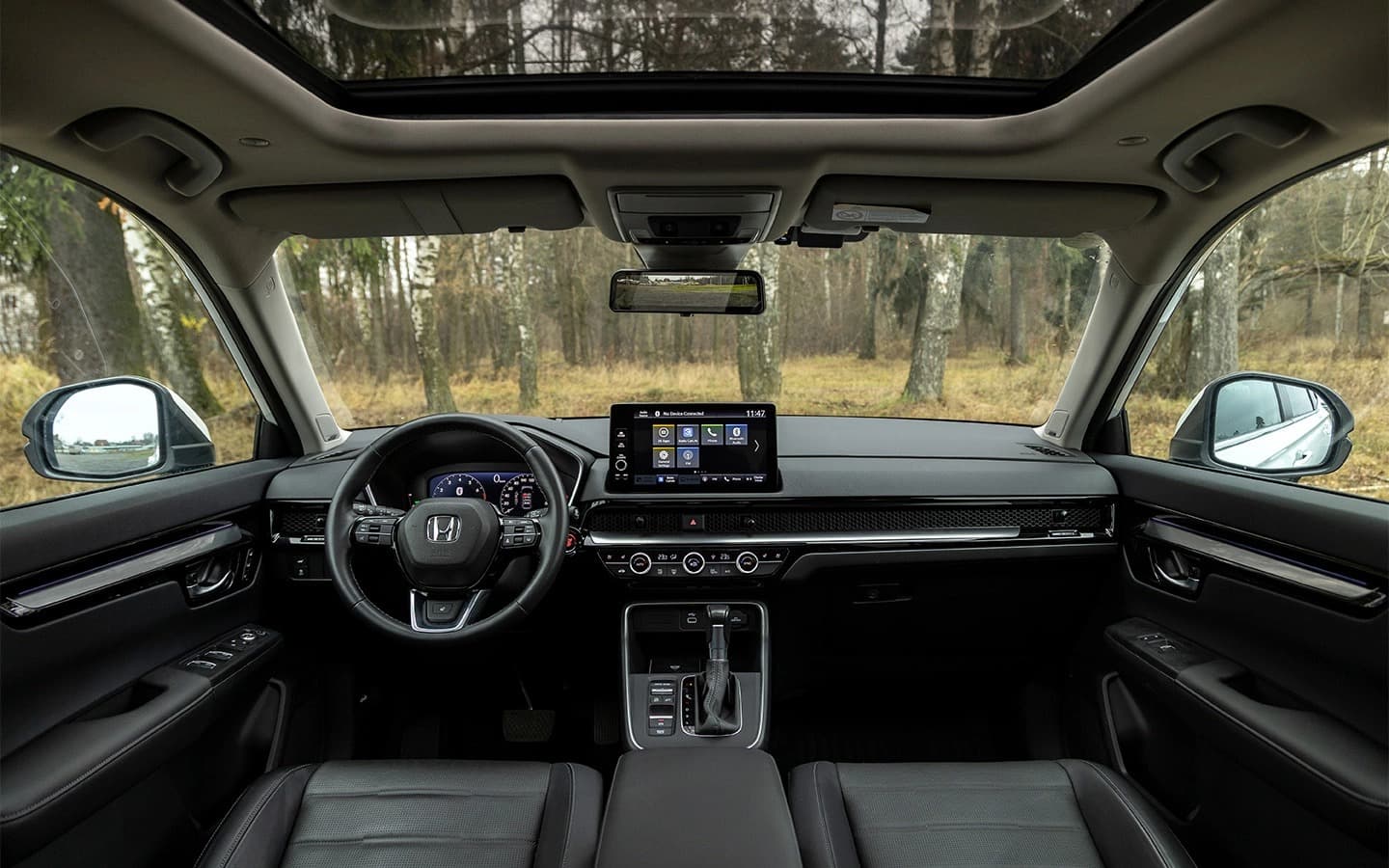
The interior is a real old-school for those who miss analog buttons and understandable ergonomics. Physical climate control keys, knobs, large switches - everything is configured for convenience, without diving into the multimedia menu. The quality of the materials is pleasing: soft plastic, neat joints, an original honeycomb-shaped air vent grille. An electronic mirror with a camera helps at night, but sometimes glares during the day, but it can be switched to normal mode with one movement. The set of options is also pleasing: heated seats, a convenient wireless charger, ambient lighting, and a Bose audio system with 12 speakers.
The seats are well-profiled and offer ventilation (in higher trim levels), but are designed more for broad-shouldered drivers - slender drivers have to hold on more actively in corners. But the second row is surprising in its convenience: the doors open almost 90 degrees, the sofa moves back and forth, and the backrests are adjustable at an angle of up to 45 degrees. The central tunnel hardly interferes, so three people can ride without arguing. The trunk is also pleasing: a two-level floor, 617 liters of volume, a niche for small items - practicality in its purest form. It is a pity that the backrests do not fold down from the trunk, and there is no spare wheel.
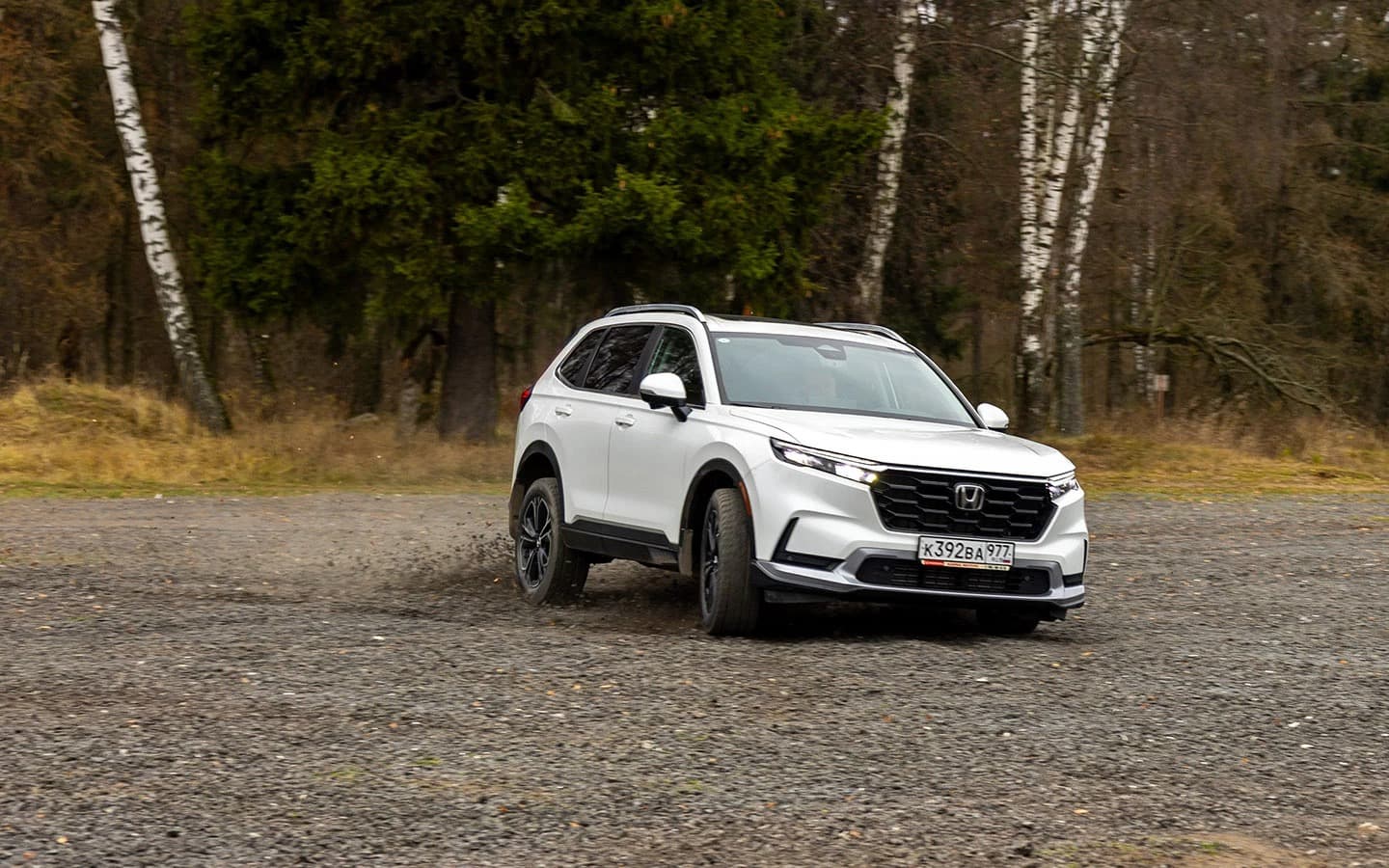
On the road, the CR-V demonstrates the same philosophy: no emotions - only predictability and calmness. The 1.5-liter turbo engine produces 193 hp, works with a CVT, and allows you to confidently start off, but you shouldn't expect sharp acceleration - the CVT doesn't like aggression. The average consumption in the test turned out to be higher than expected - about 12 liters per 100 km. The suspension is a golden mean: it does not provoke dynamics, but provides good stability in corners and gently dampens bumps. On light off-road, the CR-V feels confident: all-wheel drive, 208 mm ground clearance and a calm character provide comfort, if you don't climb into outright "hardcore." The front overhang, however, is too large - deep holes and dunes should be passed carefully.
As a result, the sixth-generation Honda CR-V is a timeless car. On the one hand, it is outdated compared to the "stuffed" Chinese competitors and costs noticeably more than its capabilities offer. On the other hand, there is amazing assembly, attention to detail, convenience and an honest character, which all past generations of the CR-V were famous for. This car is not about technology, but about habits. About comfort that you don't need to study. About the feeling that you sat down and drove off - like before.
For those who want modern design and technology, the CR-V will seem like an anachronism for 6-8 million. But for those who appreciate the classic Japanese school, analog ergonomics and a calm character, the new CR-V is a chance to return to nowhere. To that quiet era when cars were simple, understandable and durable.