In winter, electric vehicle owners often notice a drop in range - the battery discharges noticeably faster than in summer. Auto expert Anton Mukhin explained that this situation is natural and is not related to a breakdown, but to the peculiarities of operation in the cold season.
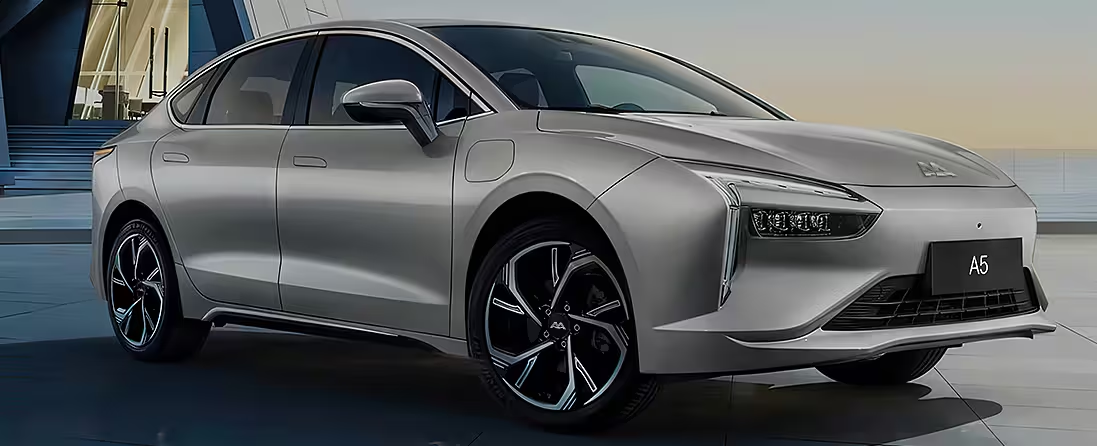
According to the specialist, in winter, an electric vehicle spends part of its energy not on movement, but on heating the cabin and maintaining the operating temperature of the battery. Unlike cars with internal combustion engines, where heat comes from the engine, an electric car has to use battery power for heating. To reduce losses, the expert advises warming up the car in advance, especially if it is in the garage or connected to charging.
If you are sure that the problem is precisely in the decrease in battery capacity, then this may be normal degradation due to a sufficiently large mileage. In this case, it happens gradually. The best advice is to diagnose the battery at a specialized service station to make sure there is no imbalance.
External conditions also affect the range. Frost, snow and wet asphalt increase rolling resistance, and winter tires increase energy consumption. Driving style plays an additional role: sharp acceleration and high speed in winter discharge the battery faster.
Sometimes a simple solution helps - charge the battery to 100% and leave the car on a slow charge. In this mode, the control system equalizes the parameters of the elements.
Комментарии