Knock-down assembly is a familiar and understandable term these days, but completely new at the sunset of the USSR. In 1989, an initiative group decided to create a "people's car for people's money" by organizing a joint-stock company, of which anyone could become a shareholder. The state did not support the idea, but this did not stop the enthusiasm, and against this background, the Avtokam association was created, which decided to launch the assembly of the British Rickman Ranger car in Naberezhnye Chelny under the name "Avtokam".
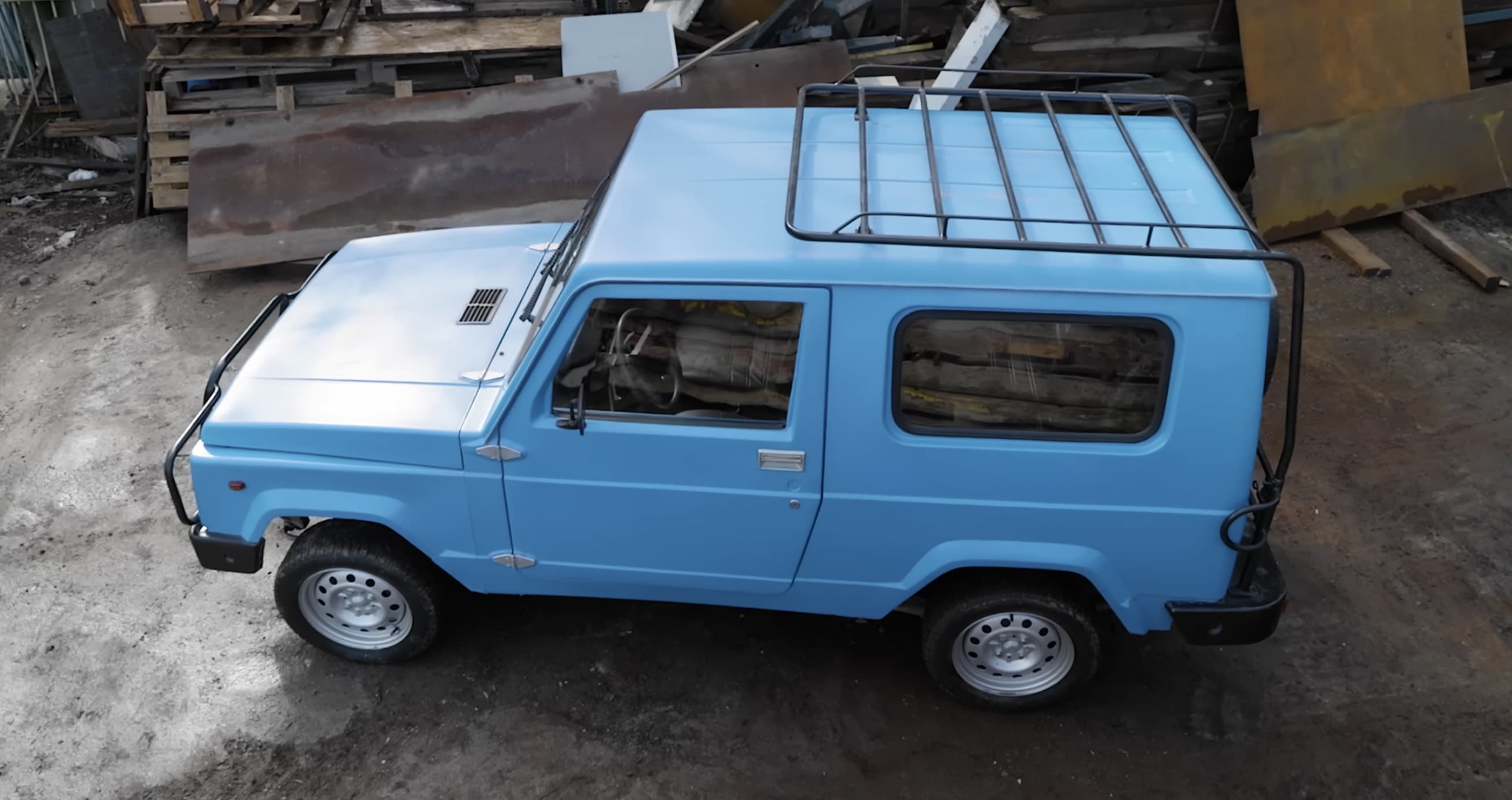
In fact, it was a Kit Car - a constructor for adults. The car body was made of 2 parts - the front part included the engine compartment, and the rear part included the passenger compartment. The chassis was supplied by the British from Ford Escort. However, deliveries quickly ended - due to the collapse of the USSR, the British stopped fulfilling their obligations, and as a result, only 50 sets out of 1000 paid were delivered, and even those turned out to be heavily used during the inspection.
At this point, the history of knock-down assembly ended, but Avtokam remained alive. The assembly of the car remained in Tatarstan, and the bodies were produced in Perm. All other parts were replaced with what was at hand: the front suspension from "Izh-Oda", a 72 hp engine and a gearbox from "Moskvich".
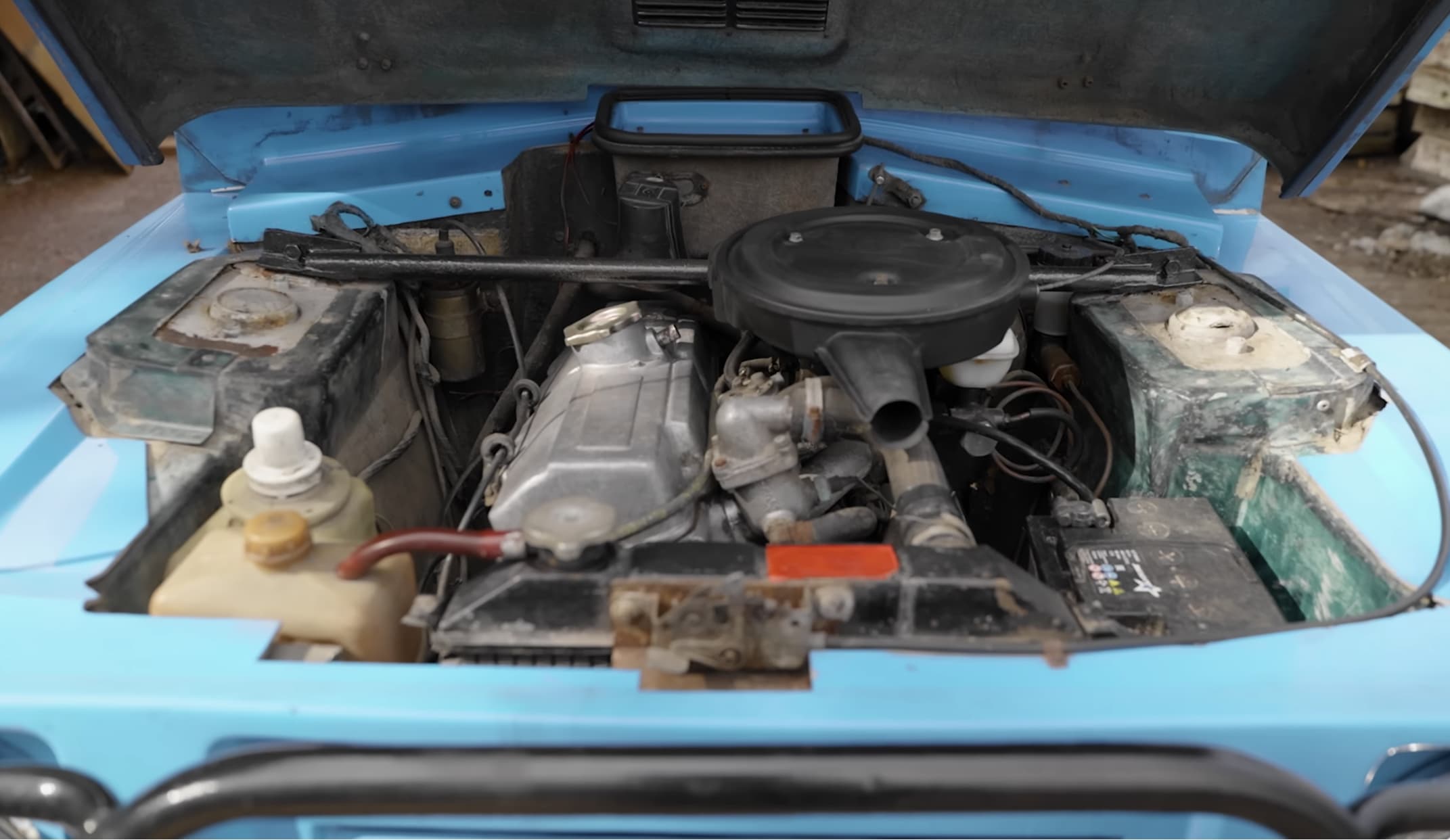
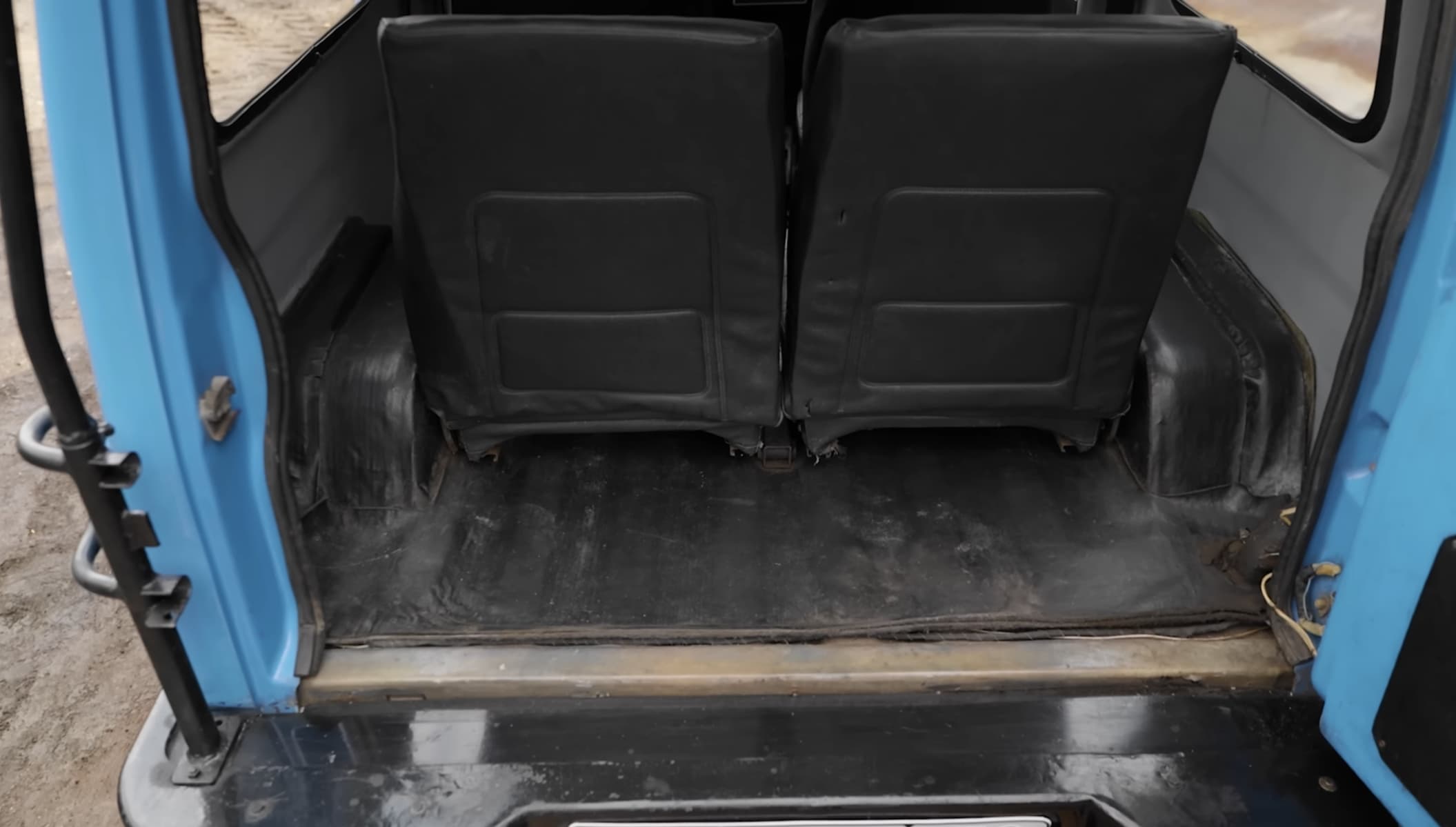
The design of the car was frame-based, which was felt behind the wheel: the car was wobbly, and due to the rear leaf spring suspension, the rear was shaking on any bump without load. However, despite the frame structure, due to the fully fiberglass body, the car accelerated quite briskly at medium speeds. A decent trunk in the car appeared only with the rear seats folded down, with the unfolded ones - a maximum of a couple of travel bags.
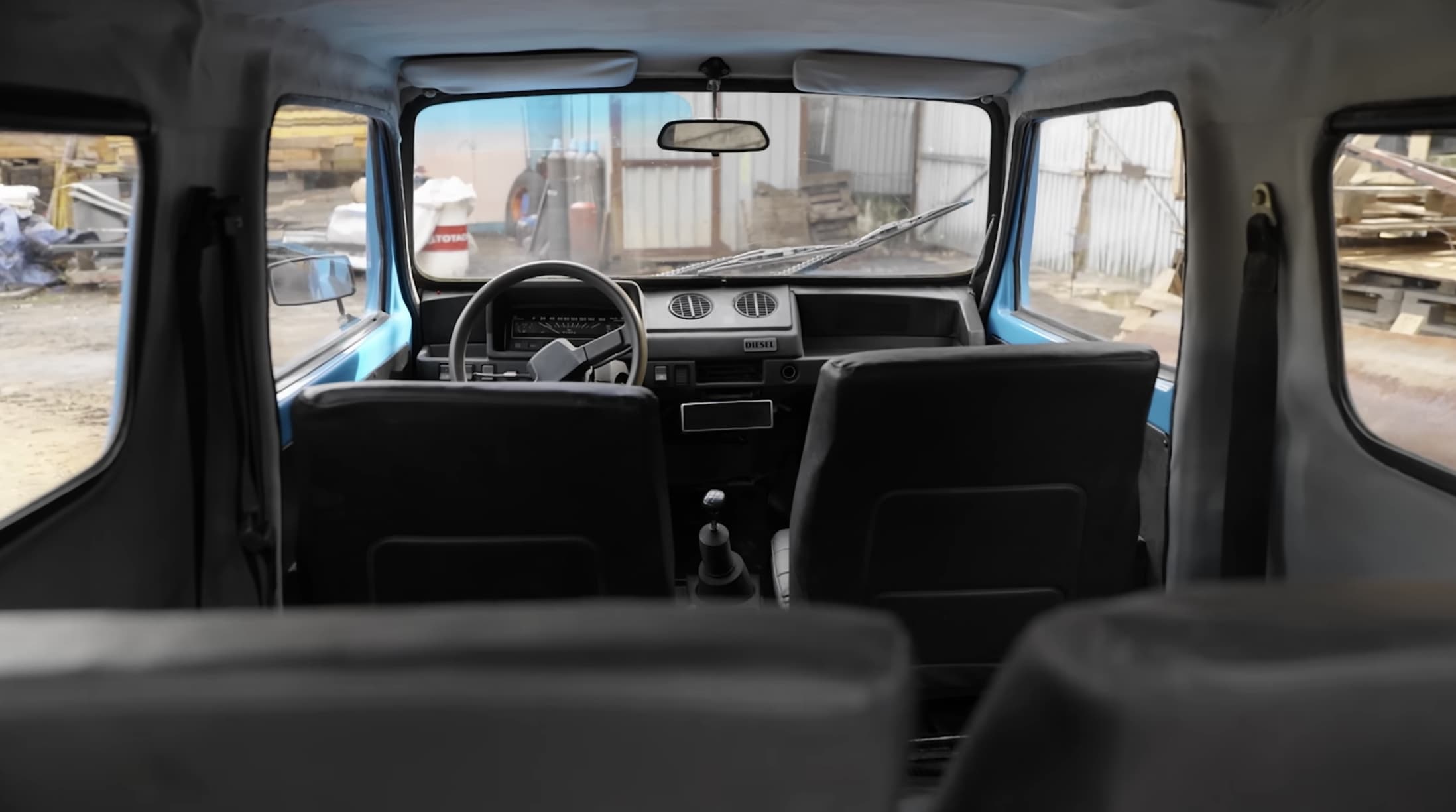
The interior was also a hodgepodge of what was at hand, but at the same time, against the background of other Soviet cars, it managed to look very pleasant. The main disadvantage is that the interior is cramped and noisy, long trips are definitely not the forte of Avtokam.
Avtokam fought for the idea until the last, over time the car even received a five-door body, but this did not save it from Western competitors, who massively flooded the domestic car market after the collapse of the USSR.
Read more materials on the topic:
ZIL-4102 Raisa: the difficult fate of a promising domestic development
Russian sports car from the 2000s: the difficult fate of the Tagaz Aquila project