Most people, when they hear "kei car", imagine a boring and strangled car, restricted by the norms of the Japanese government, mainly for moving around the city. However, in the mid-80s, engineers from Mazda decided to break this stereotype and build a sports kei car - the Autozam AZ-1.
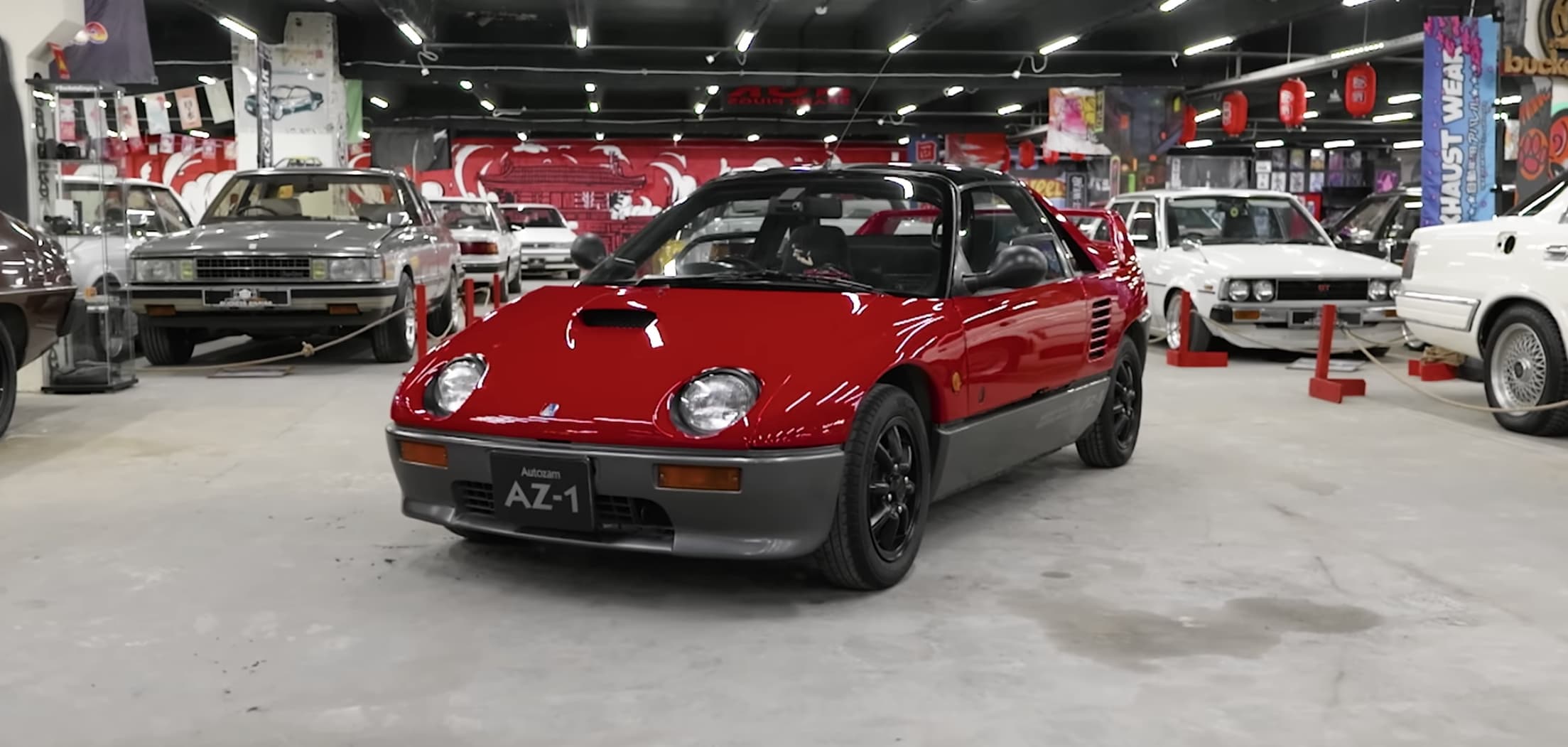
The car is built on a spatial frame made of aluminum and steel, all body parts are made of fiberglass. There was no room for a trunk, instead there are radiators. Initially, the car was supposed to be equipped with "blind" headlights, but in the end this concept was abandoned. But the "gull-wing" doors gave uniqueness and "sportiness" to the design of the tiny supercar.
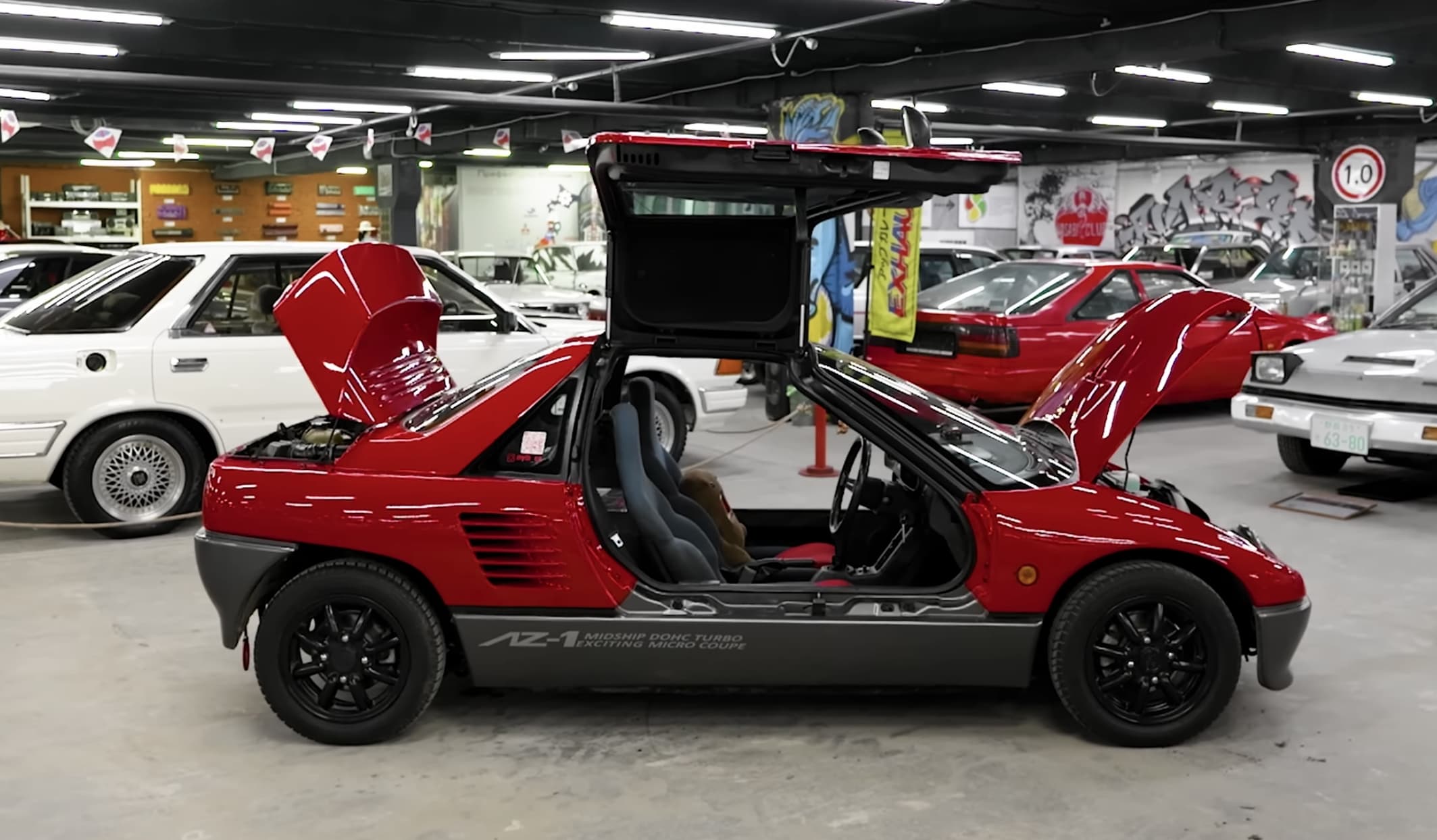
By the way, in order to open this door, particularly tall speed enthusiasts had to kneel in front of the car - the door opening handle is located right above the sill.
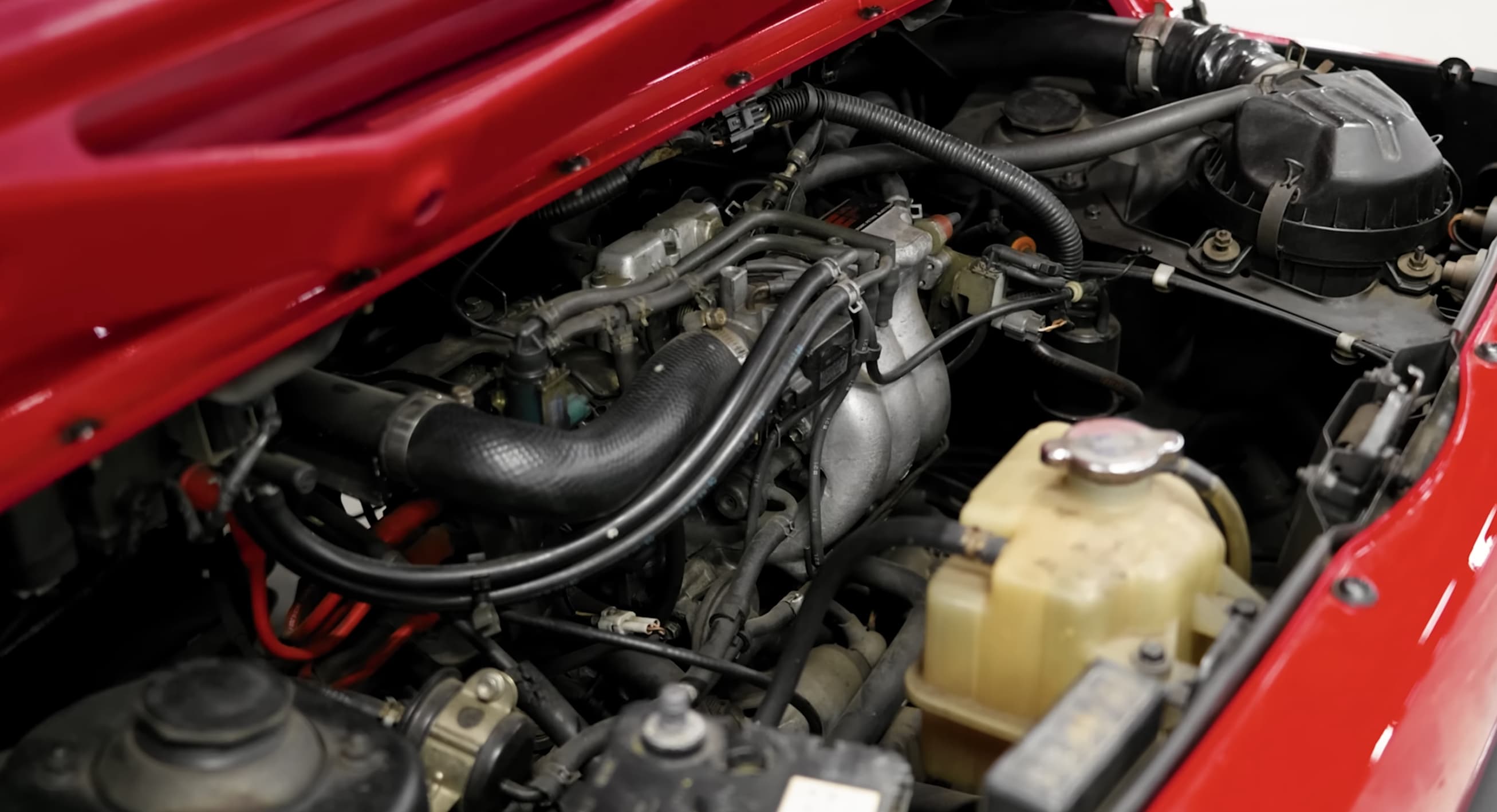
The car received a mid-engine layout, the weight distribution is almost perfect - 45% on the front axle and 55% on the rear due to the engine being in the rear. Initially, the engine was supposed to be 550 cc, but during the work on the car, the requirements for kei cars were relaxed, and as a result, a turbocharged 3-cylinder 12-valve engine with 657 cc, developing 64 hp, ended up under the hood. The maximum speed was set at 140 km/h, acceleration to 100 km/h took 11 seconds. The suspension is independent MacPherson type, the brakes on all wheels are disc.
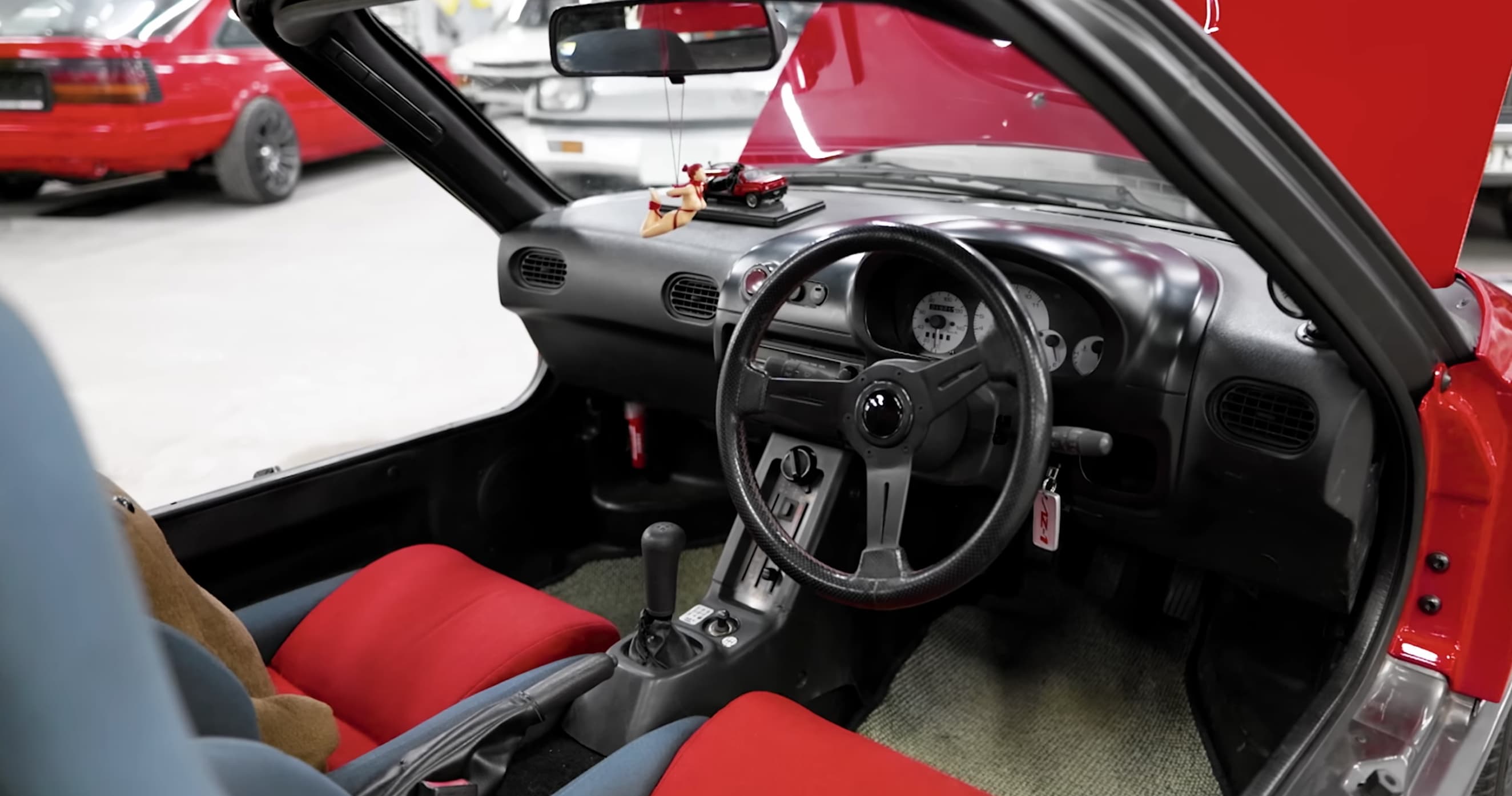
The interior turned out to be very cramped and as ascetic as possible - there is not even a glove compartment. The driver's seat is adjusted manually, but the steering wheel, like the passenger seat, is fixed in place. No safety is provided - no ABS, no stabilizers, not even airbags, a true samurai holds his fate in his own hands. But, in order for fate to hold on tighter, hands should not sweat, so an air conditioner was still installed in the car, its unit had to be placed vertically between the legs of the driver and passenger.
Despite the extremely interesting concept, commercial success did not happen - only 3858 cars were sold. The reason for this was the high price and the year of release - 1992, the beginning of the crisis in Japan, known as the "lost decade".
Read more materials on the topic:
ZIL-4102 Raisa: the difficult fate of a promising domestic development
Russian sports car from the 2000s: the difficult fate of the Tagaz Aquila project