Every year it's the same: as soon as snow covers the road, the tracks are filled with drivers on summer tires, rushing "out of habit." Some didn't have time to change their tires, others simply forgot that with the first sub-zero temperature, everything changes - both grip and braking, and the very logic of movement. After all, even a slight ice can increase the braking distance many times over.
If on dry asphalt at a speed of 60 km/h a car stops in about 62 meters, then on ice this figure increases to 184 meters - almost two football fields! This gap can accommodate 45 cars. Therefore, everyone who drives on the road in winter should remember: the first snow is not just a beautiful landscape, but a real test of attentiveness and preparation.
What happens to the car in the snow
Fresh, loose snow can create a thin film of water between the tire and the asphalt. As a result, the coefficient of adhesion drops sharply even for good winter tires. During sudden braking, acceleration, or turning, the ABS and ESP systems instantly come into operation.
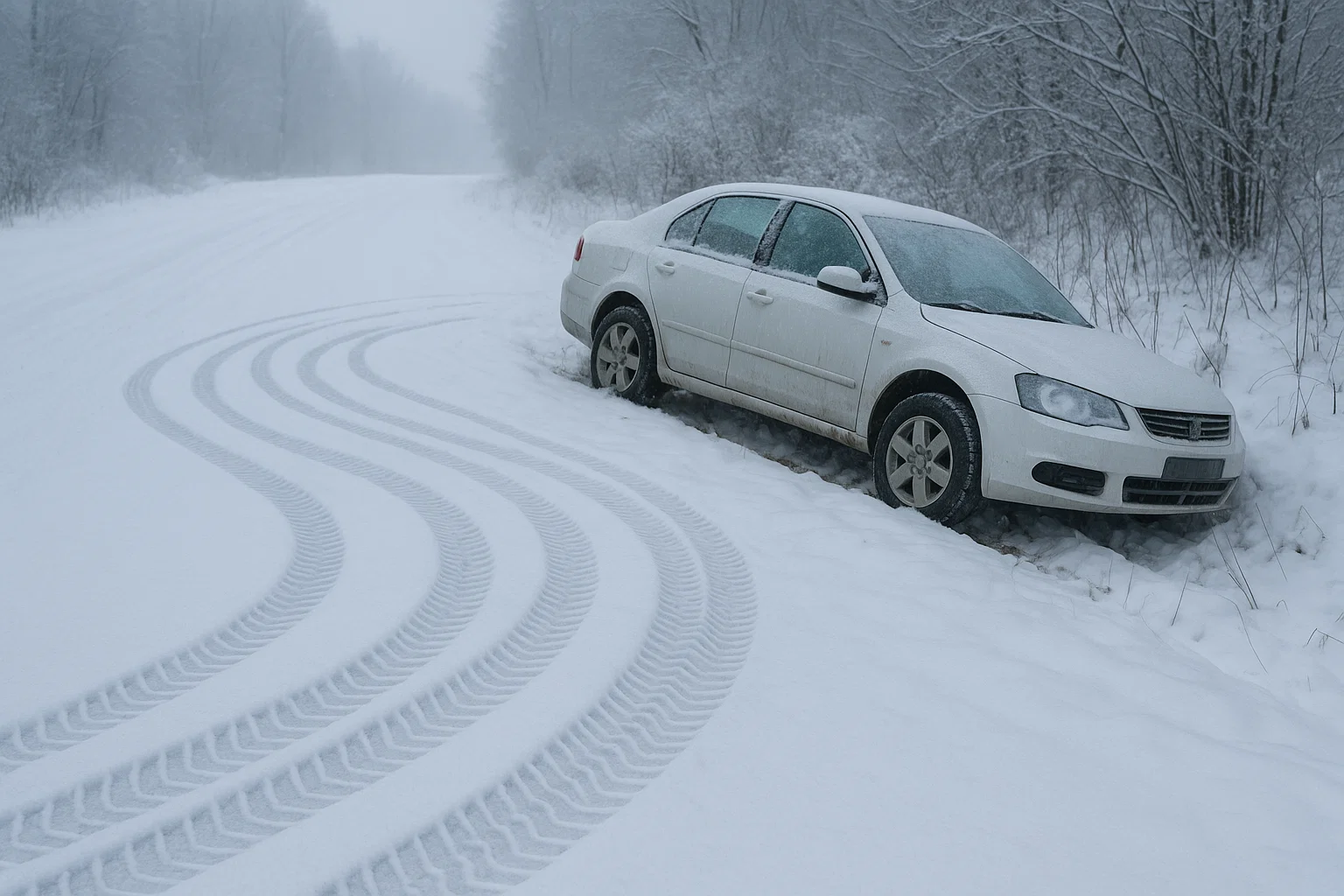
If the sensors are working properly and the tires are not worn out, the car will stand. But if the tread is "bald", or if the electronics malfunction, the risk of skidding becomes maximum. Therefore, before the winter season, it is worth checking the condition of the sensors, the tread depth and the tire pressure. This is not a formality, but a real guarantee of safety.
Transition to winter driving style
With the first snow, it is important to completely rebuild the car's driving style. In winter, you can't act abruptly - whether it's gas, brake, or steering wheel. Everything should be smooth, in advance and with a margin.
Remember: there may be "unshod" drivers on the road next to you, so keep a distance one and a half to two times greater than usual. When maneuvering, avoid sudden changes in direction, and plan your braking in advance. Let the engine help you slow down, not just the brake pads.
Pay special attention to the condition of the engine. The first frosts often reveal old problems: cracked pipes, worn gaskets, leaking antifreeze. Before the onset of cold weather, it is worth carefully inspecting the engine compartment - a small leak in October can turn into a frozen engine in December.
Don't focus on the calendar - listen to the weather
You need to change tires not by date, but by temperature. Summer tires lose their elasticity already at +5...+7 °C, turning into "plastic". Therefore, it is better to change your shoes in advance - the sooner, the calmer.
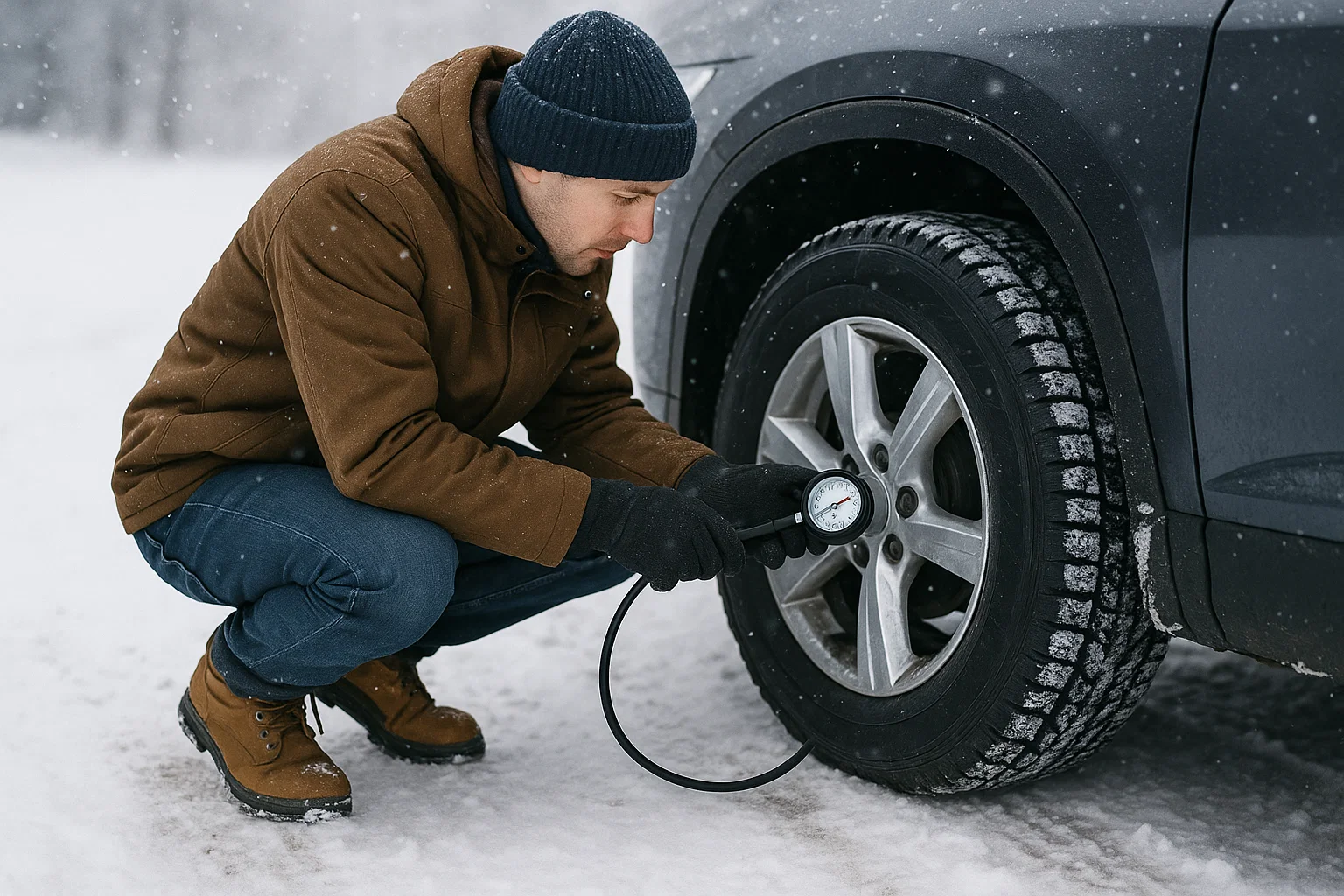
Cold also affects tire pressure: with each decrease in temperature by 10 degrees, the pressure drops by about 0.1 bar. Underinflated wheels increase fuel consumption and worsen handling. Check the pressure when cold using a pressure gauge, and keep the values within the norm specified by the manufacturer.
How to behave on a winter road
The first snow is a signal to change the way you drive. The distance should be increased by two to three times so that you have at least 6-10 seconds to react. Perform all maneuvers smoothly, and plan your braking in advance. Use engine braking and do not abuse the gas pedal.
On loose snow, the wheels can lock and even help stop faster, but in urban conditions it is more reliable to trust ABS. Press the pedal confidently and concentrate on steering.
If your car has a Snow mode, don't ignore it - starting in a lower gear reduces the risk of wheelspin and helps maintain control.
How to protect your car from winter chemicals
Reagents are a separate problem. They corrode metal, brake lines and paintwork. To extend the life of the body, regularly wash the undercarriage and treat rubber seals with silicone - this will prevent corrosion and freezing of doors.
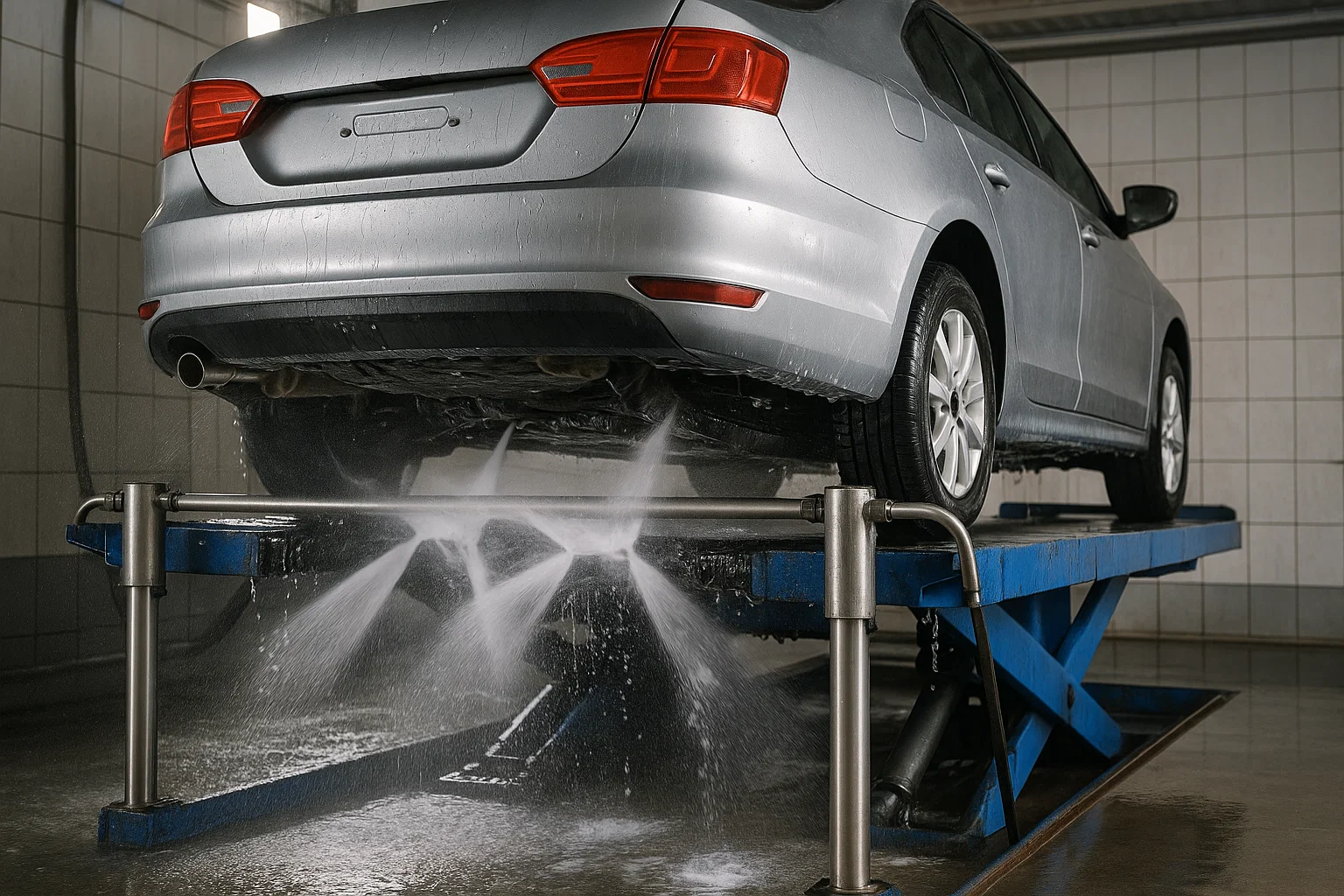
After a trip through snowy-salty slush, don't forget to do a couple of soft braking maneuvers - this will dry the brake discs and pads.
The main rule of winter: calm and preparation
The first snow is always a test: both for the car and for the driver. Those who meet him prepared avoid most problems. Check your tires, battery, brakes and don't rush on the road.
Winter is not about speed, but about stability, smoothness and attention. The sooner you realize this, the longer your car will remain intact - and you along with it.
Read more related materials:
- 5 useful things that should be in the arsenal of every motorist in winter
- Fine for warming up the engine in the yard: myth or reality?
- Top ten car brands on the verge of extinction
Комментарии