The 1980s were a true golden age for the Japanese automotive industry. Engineers from the Land of the Rising Sun were decisively entering international markets, creating cars that impressed with their combination of technology, lightness, and engineering audacity. One of the most interesting examples of that era was the Daihatsu Charade 926R - a tiny but bright representative of the legendary Group B rally cars, equipped with an engine of only 926 cm³.
Today, the Daihatsu brand is almost unheard of outside of Japan and exists under the wing of Toyota, but it was once known throughout the world - from Europe to Africa and South America. In the 1980s, the company's most recognizable car was the compact Charade hatchback, which combined lightness, affordability, and reliability.
From a Simple Hatchback to a Turbo Rocket
In the spring of 1983, the second generation of the Daihatsu Charade with the G11 index was released. Under the hood was a three-cylinder carburetor engine with a volume of 993 cm³ and a power of 60 hp. Simple, economical, and durable - this is how the car quickly gained popularity.
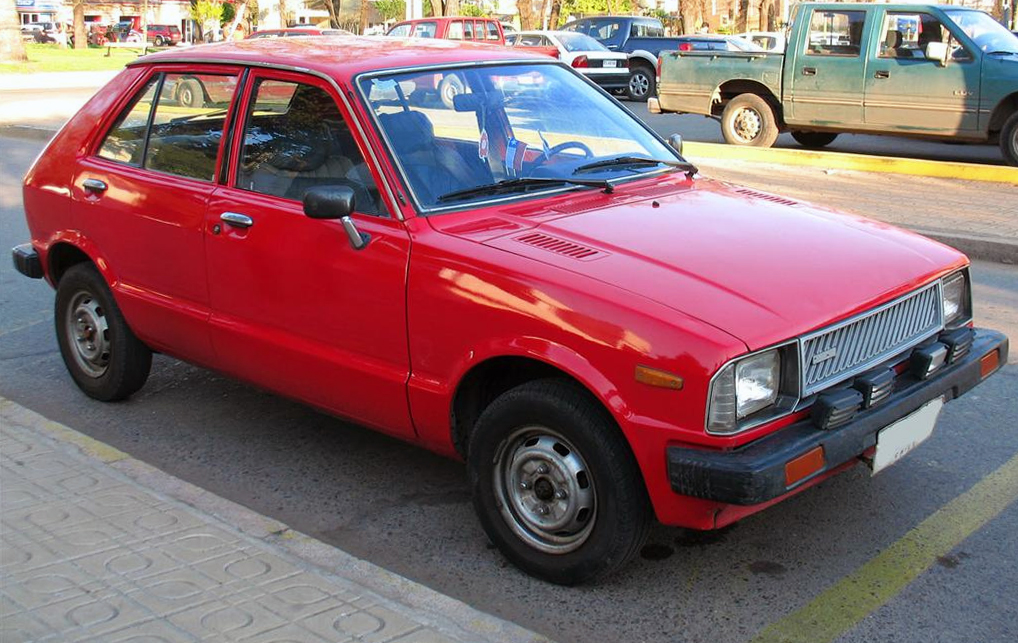
However, the Japanese were not going to stop there. Already in the autumn of the same year, the Charade Turbo version appeared: an improved suspension, turbocharging, and 80 hp instead of the previous sixty. And a little later, the world saw a special modification - the Charade De Tomaso Turbo, created in collaboration with the Italian firm De Tomaso. It differed from the standard version with a sporty body kit, improved trim, and the character of a real little predator.
When Regulations Break Dreams
Daihatsu planned to participate in motorsport, but international rules made their adjustments. According to FIA regulations, turbo engines were multiplied by a coefficient of 1.4 to calculate the class. This meant that even with a real volume of less than a liter, the Charade Turbo fell into a heavier category - above 1300 cm³.
To remain competitive, Daihatsu engineers resorted to a trick: they reduced the engine volume to 843 cm³, leaving the power at 76 hp. This is how the Charade 926 Turbo was born, which received a reinforced body, sports seats, and a lightweight interior.
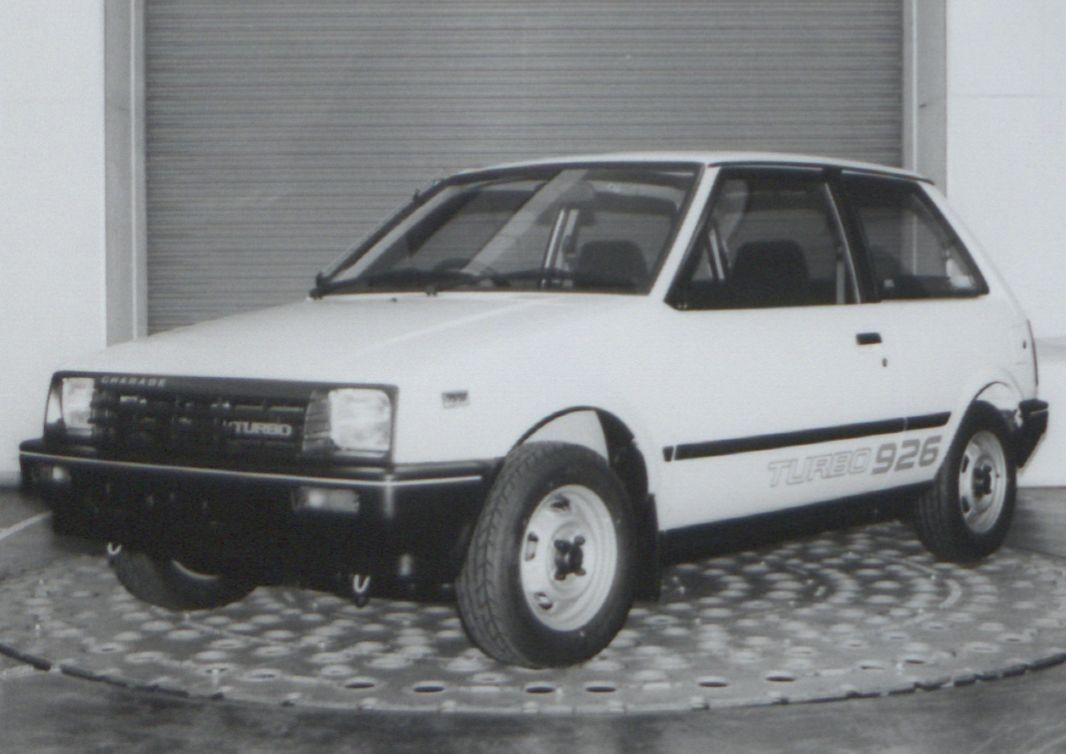
The car instantly became a favorite of rally drivers. It shone not only in Japan but also on international tracks. In 1985, Finnish racer Kauko Mäkelä won in his class at the famous Rally of the Thousand Lakes, and the Daihatsu factory team finished 14th in the legendary Safari Rally - one of the most grueling marathons on the planet.
The Birth of the Charade 926R - Dreams of Group B
Inspired by the success, the engineers decided to take a step further and create a car for the most prestigious and insane category of that time - Group B. Thus, in 1985, the Daihatsu Charade 926R - a real mini-supercar - debuted at the Tokyo Motor Show.
The novelty received a mid-engine layout, and under the body was a modernized three-cylinder engine with a volume of 926 cm³ with a fuel injection system, a 12-valve cylinder head, and a powerful IHI turbocharger. The result - 120 horsepower with a weight of only 690 kilograms.
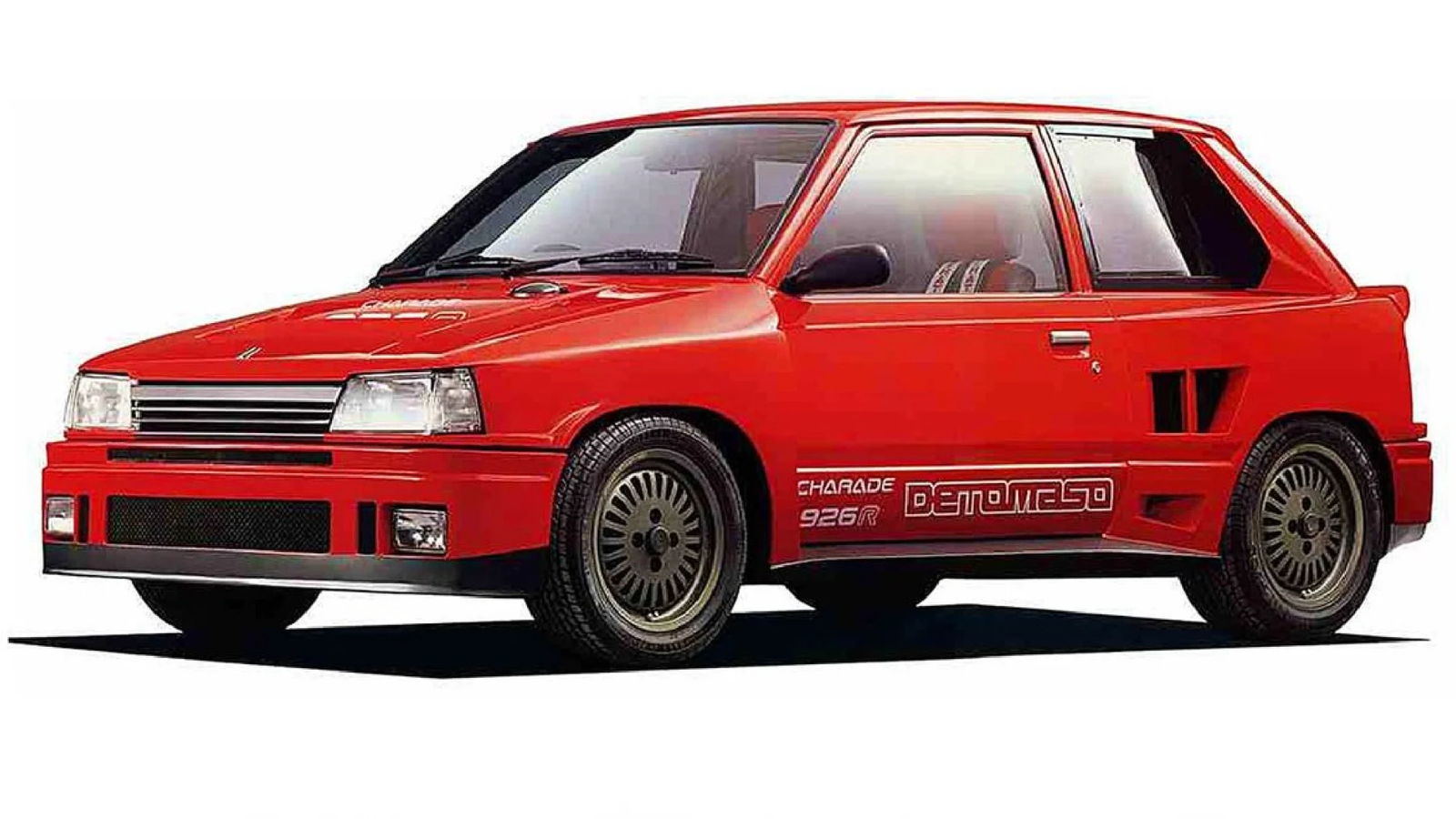
For comparison: it's as if a modern city hatchback weighing a ton developed a power of 180-200 hp. The car had an amazing power-to-weight ratio and behaved on the track like a real racing car.
An Engineering Masterpiece Without a Future
The design of the Charade 926R fully corresponded to the spirit of the era. The mid-engine layout provided ideal weight distribution, independent double-wishbone suspensions were installed at the front and rear, and the body was reinforced with a powerful safety cage. Lightweight composite panels made the car not only rigid but also extremely light.
Visually, the car looked fast and aggressive - a real rally samurai in miniature. It seemed that new horizons were opening up for Daihatsu in motorsport.
However, fate turned out to be merciless. In 1986, after a series of tragic accidents on the tracks, Group B was officially closed. For a small company from Osaka, this decision became a death sentence. The Charade 926R project lost its meaning, because without an official class, there was simply nowhere to enter it.
A Little Hero That Has Not Been Forgotten
Despite its short career, the Daihatsu Charade 926R remained in history as a symbol of engineering courage. It was a car created not for commercial success, but for the pure love of racing and technology.
Today, the surviving examples of this model are a great rarity. They can only be seen in museums or in the hands of collectors, but even after decades, they continue to inspire engineers and motorsport fans.
The Charade 926R is a vivid reminder of the era when the Japanese built cars not for profit, but for speed, excitement, and dreams. A small but truly great car. It proved that even an engine with a volume of less than a liter is capable of giving real emotions and leaving a mark on world motorsport history.
Read more related articles:
- Rotor Against Fate: How Mazda Turned Risk into Legend
- How Japan Built an Automotive Empire: From Copies of Other People's Cars to World Leadership
- Ten Automotive Brands on the Verge of Extinction