V8 engines are traditionally associated with power, sound, and driving pleasure, but this pleasure often comes at a cost - not only at the gas station but also at the auto repair shop. Some "eights" have proven so problematic that even with careful maintenance, they rarely reach high mileage. This article features five V8 engines, from German to Japanese, that are more famous for their quirks than their reliability.
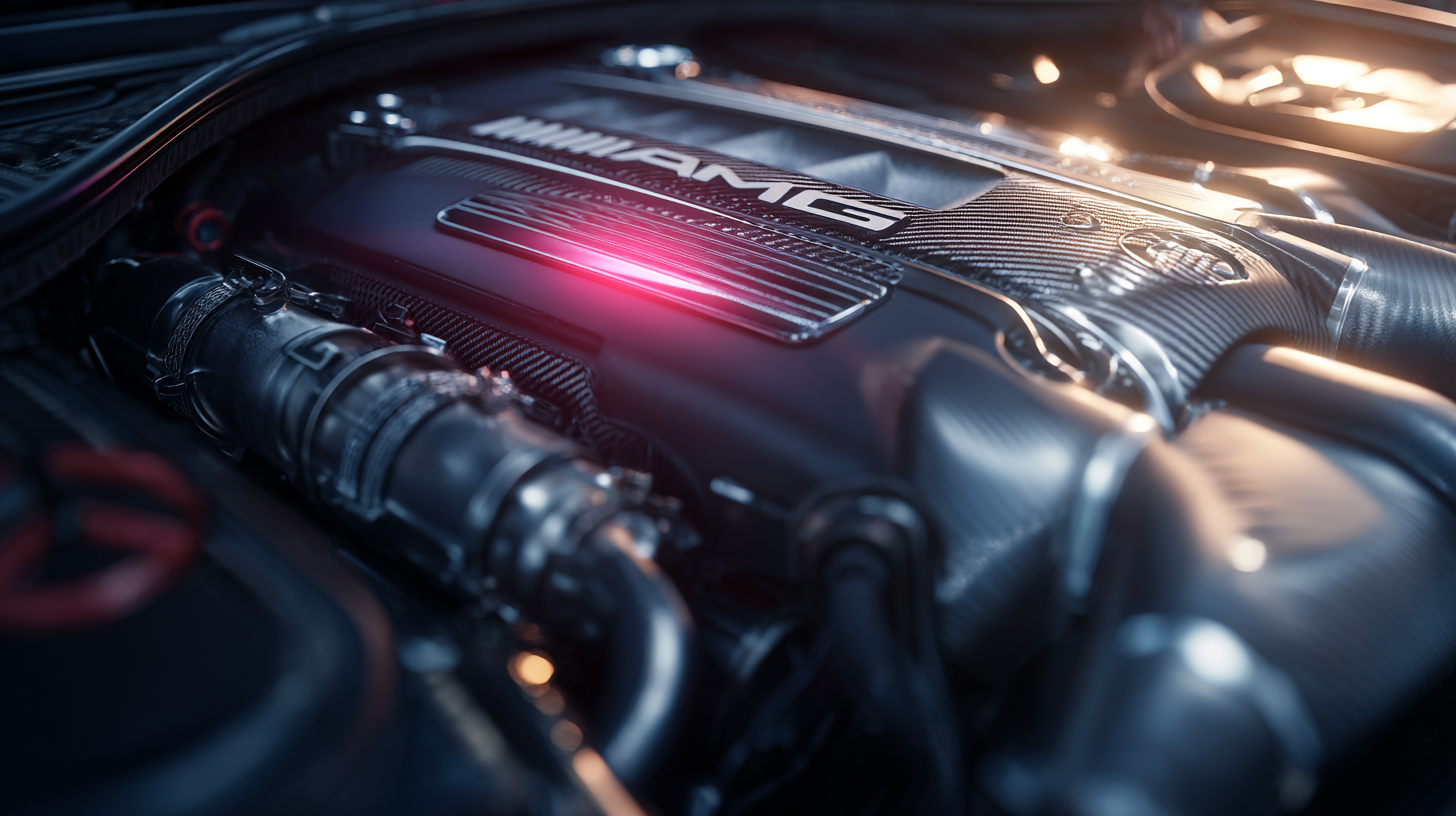
Mercedes-Benz M278 is an example of how engineering boldness turns into a weak resource. The biturbo V8, which replaced the M273, was supposed to combine power and efficiency but instead became known for chronic lubrication system problems. Clogged oil injectors cause piston overheating and scoring on cylinder walls, while a weak oil pump fails at high mileage. Add to this the stretching of timing chains, heat-sensitive injectors, and frequent gasket leaks - and it becomes clear why the M278 often requires a major overhaul as early as 100-120 thousand kilometers.
Audi BAR is an atmospheric V8 that looked flawless on paper: aluminum block, chain drive, variable valve timing, and direct injection. But in practice, the engine suffers from cylinder scoring and monstrous oil consumption after only 80-100 thousand kilometers. FSI injectors are sensitive to fuel quality, the high-pressure fuel pump quickly loses performance, and the timing chains stretch by 120 thousand. In addition, gaskets age and the plastic intake manifold cracks. Even with careful operation, the resource rarely exceeds 250 thousand kilometers - not what you expect from prestigious Audi and Volkswagen.
Porsche M48.00, installed on the Cayenne, is a rare case where an atmospheric engine turned out to be less reliable than its turbo version. Corrosion develops between the aluminum block and the sleeves, leading to flaking of the coating and scoring. Overheating is almost normal here: radiators quickly become clogged, plastic pipes crack, and the thermostat jams. The intake manifold with variable geometry jams, ignition coils burn out in batches, and crankcase ventilation often leaks. As a result, by 150 thousand kilometers, most of these engines need repair, although they should have lasted at least twice as long.
BMW N63 is perhaps the hottest V8 in the brand's history. Turbochargers installed in the block's V provided instant response but resulted in catastrophic overheating. Under the influence of high temperatures, valve stem seals age, rings coke up, timing chains stretch, and wiring and sensors literally "melt." Oil consumption problems start as early as 60 thousand kilometers, and a major overhaul is a frequent guest by 120-150 thousand. Even upgrades did not rid the N63 of its ailments, and this engine is still considered one of the most expensive to maintain among all V8s.
Nissan VK56VD is the only representative of Japan in this anti-rating. The atmospheric V8 with direct injection and variable valve lift VVEL was conceived as a reliable and high-torque unit, but the reality turned out to be different. Cylinder scoring is a common occurrence, caused by dust from collapsing catalytic converters and wear products from the high-pressure fuel pump. Metal shavings spread through the lubrication system, killing the liners and chains. The VVEL system requires intervention after 200 thousand kilometers, and overheating due to clogged radiators often becomes fatal. With ideal maintenance, the engine is capable of running up to 400 thousand kilometers, but in normal operation, it rarely reaches even half of this period.
These engines have one thing in common: they were all created with ambition but became a headache for owners. Buyers of such cars need to remember that the excellent dynamics and sound of the V8 do not always compensate for the constant costs of oil, repairs, and timing chains.
Read more materials:
- The most reliable engines of the last 20 years have been named
- Geely has revised prices in Russia
- Drunk driving is a chance to earn money: Russians have begun to be paid for vigilance
Комментарии