From January 1, 2026, a 50% tax on the purchase of electric vehicles will come into effect in China, replacing the current zero tax rate. The maximum tax deduction will be 15,000 yuan (approximately $2,110) per vehicle.
This decision marks the gradual winding down of a decade-long tax incentive program that has supported the development of the Chinese electric vehicle market. According to Chinese authorities, the current concessions will completely cease by the end of 2025.
CAAM Proposes a Smooth Transition, But the Government Acts Decisively
The China Association of Automobile Manufacturers (CAAM) had previously proposed a gradual phasing out of benefits, starting with a 3% tax in 2026 and 7% in 2027. However, the authorities decided to introduce a 50% sales tax immediately, accelerating the pace of reform.
While the CAAM initiative has not caused a tangible reaction in the lithium market, prices for lithium carbonate - a key material for batteries - have already started to rise. According to Platts, since the announcement of the tax changes on October 25, spot quotes have increased by 2.3%, and by October 29 reached 81,700 yuan per ton, which is 6.8% higher than a week earlier, and 11.1% higher than a month ago.
The Tax Factor May Cause a Rush Demand
Analysts expect that the innovation will lead to a sharp increase in electric vehicle sales at the end of 2025. Buyers will try to take advantage of the last months of zero tax and save up to 30,000 yuan on one car.
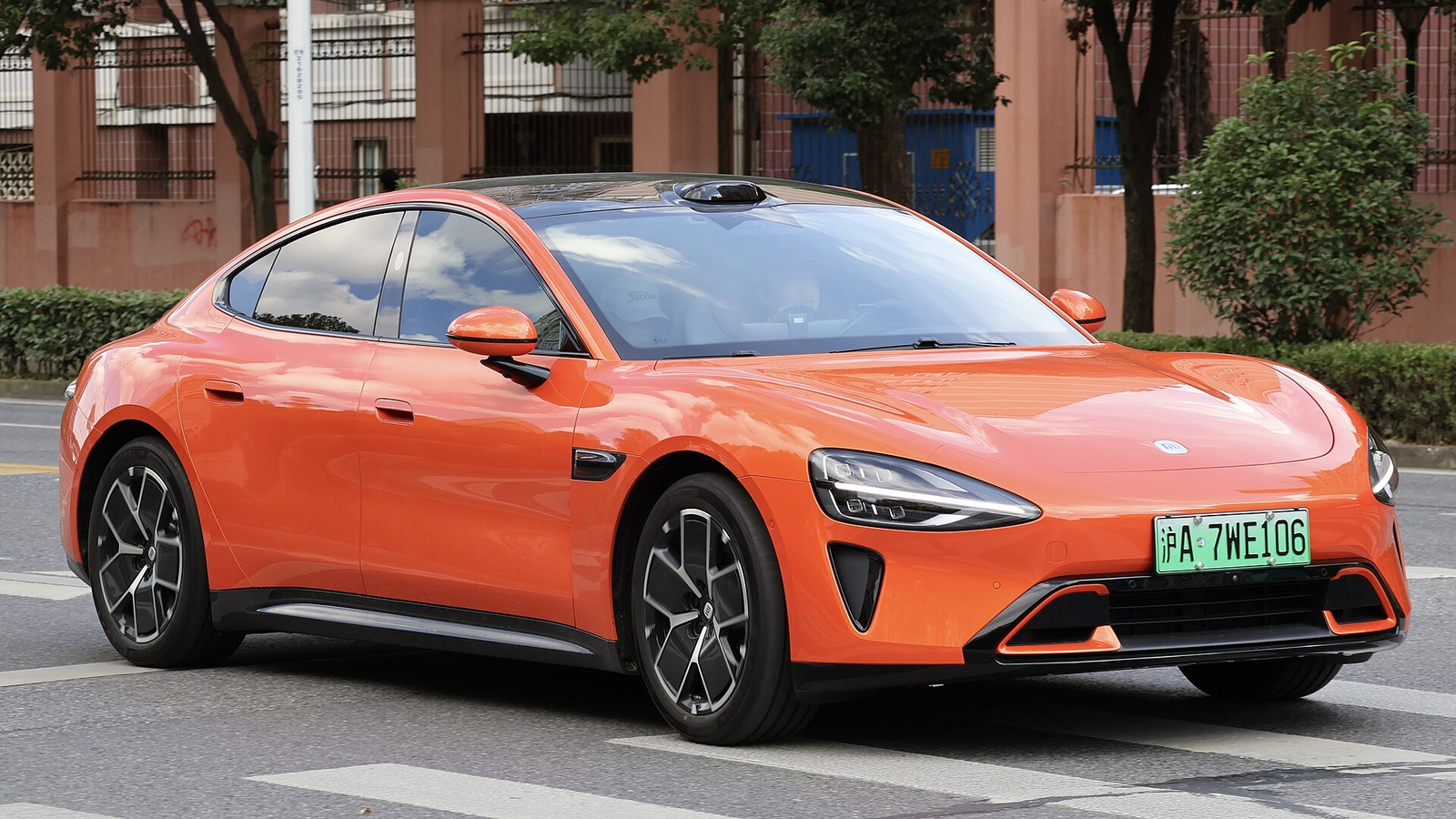
“Any reduction in tax preferences, even minimal, will cause consumer excitement,” notes one of the Chinese experts. “People understand that a little is better than nothing.”
According to industry sources, the peak of sales will occur in November-December 2025. This period will be the optimal time for buyers to take advantage of maximum benefits, and for automakers to sell off old models that do not meet the new requirements.
New Standards Tighten the Rules of the Game
In addition to raising taxes, the Chinese authorities are introducing strict technical standards for cars claiming tax breaks.
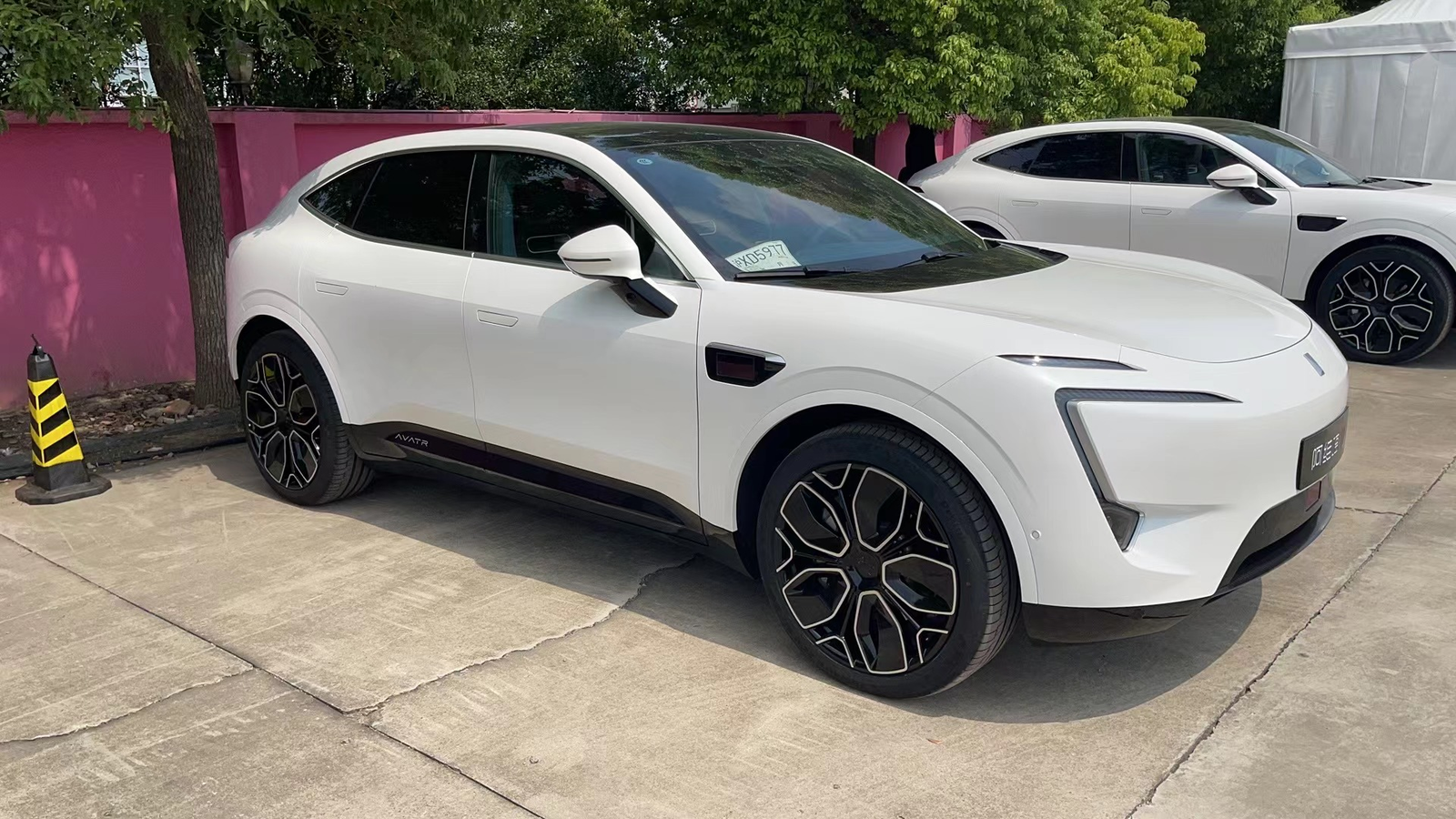
The Ministry of Industry and Information Technology of the PRC announced on October 9 that from 2026, benefits will only apply to electric vehicles that meet the new national standards for energy efficiency and fuel consumption. This will force automakers to update model lines and introduce more efficient battery technologies.
Lithium Market Reacts with Price Increases
The lithium market in China, the largest producer and consumer of this metal, reacted with rising quotes. Since October 14, prices for lithium carbonate have been steadily increasing, reflecting expectations of high demand for batteries.
According to Platts, the activity of traders and manufacturers of lithium iron phosphate batteries remains high - especially in the energy storage systems sector. At the same time, trading volumes remain limited, as many processors work under long-term contracts.
“Despite rising prices, the fundamental balance of supply and demand does not yet show significant changes,” explained Mo Ke, founder of the research company RealLi.
What Awaits the Electric Vehicle Market
Since 2014, tax breaks and subsidies have become a powerful driver of growth in the Chinese auto industry. Thanks to them, China has taken a leading position in the world in the production and consumption of electric vehicles.
Now the industry is moving into a new stage - independent development without direct government support. Experts believe that in the short term this will cause a surge in demand before the introduction of the tax, but in the long term it will lead to market stabilization and increased technological competitiveness.
Thus, from 2026, the Chinese electric vehicle market will face a sharp change in the rules of the game: the state is curtailing tax benefits, tightening requirements for technologies and actually testing the industry for sustainability without subsidies. In the meantime - until the end of 2025 - buyers still have a chance to purchase an electric vehicle on the most favorable terms.
Read more materials on the topic:
- Toyota RAV4 2026: which version to choose?
- BYD Sealion 7: Chinese electric crossover that challenges Tesla Model Y
- What the all-new Jeep Grand Cherokee 2026 has to offer
Comments