Today, automakers strive to sell their models worldwide - the wider the market, the higher the profit. However, there are exceptions: cars created exclusively for a specific country and never leaving their home market. Over time, these become the object of collectors' hunts. Let's recall the most interesting examples of such cars, dreamed of by car enthusiasts around the world.
Honda NSX-R: A Japanese Legend Closed to Europe
In 1990, Honda introduced the NSX - a mid-engine supercar that, in terms of overall quality, surpassed many European competitors, including the Ferrari 348. It was lighter, more reliable, and cheaper, and its chassis was fine-tuned by Ayrton Senna himself.
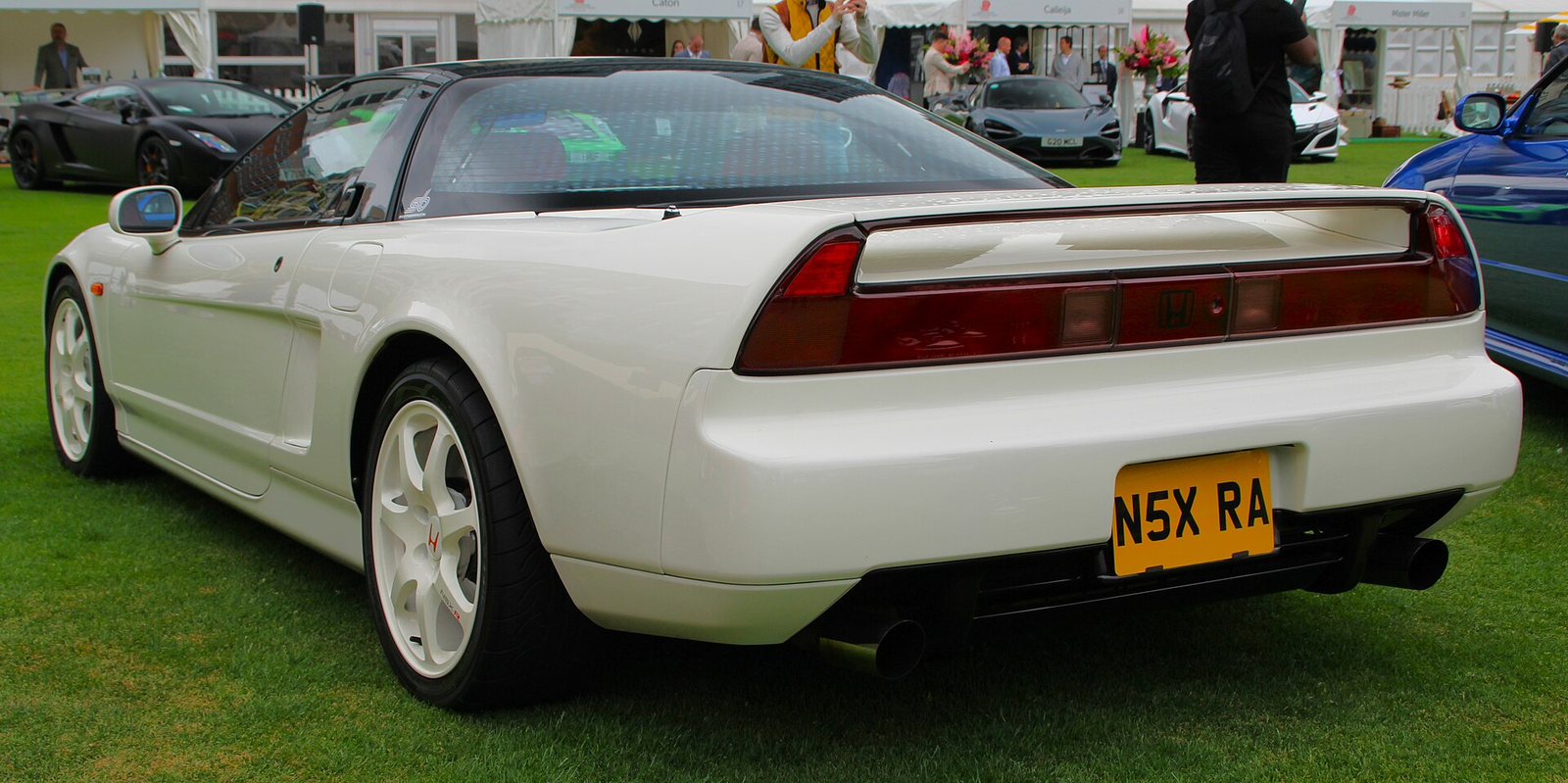
However, a special version, the NSX-R, remained available only to the Japanese. Engineers removed everything unnecessary: sound insulation, air conditioning, power steering, and even the audio system. The engine power was increased from 280 to 320 hp, although this was not stated in official documents. The suspension became significantly stiffer, and the weight was reduced.
The result? On the tracks, the NSX-R easily outperformed Italian and German exotics, but it was not exported outside of Japan. Its rarity and legendary handling have made this model a true holy grail for collectors.
BMW 333i: A South African Alternative to the M3
While Europe enjoyed the iconic BMW M3, residents of South Africa received their unique version - the BMW 333i. The reason is simple: official deliveries of the "Emki" were not carried out there, and the local representative office turned to tuners from Alpina.
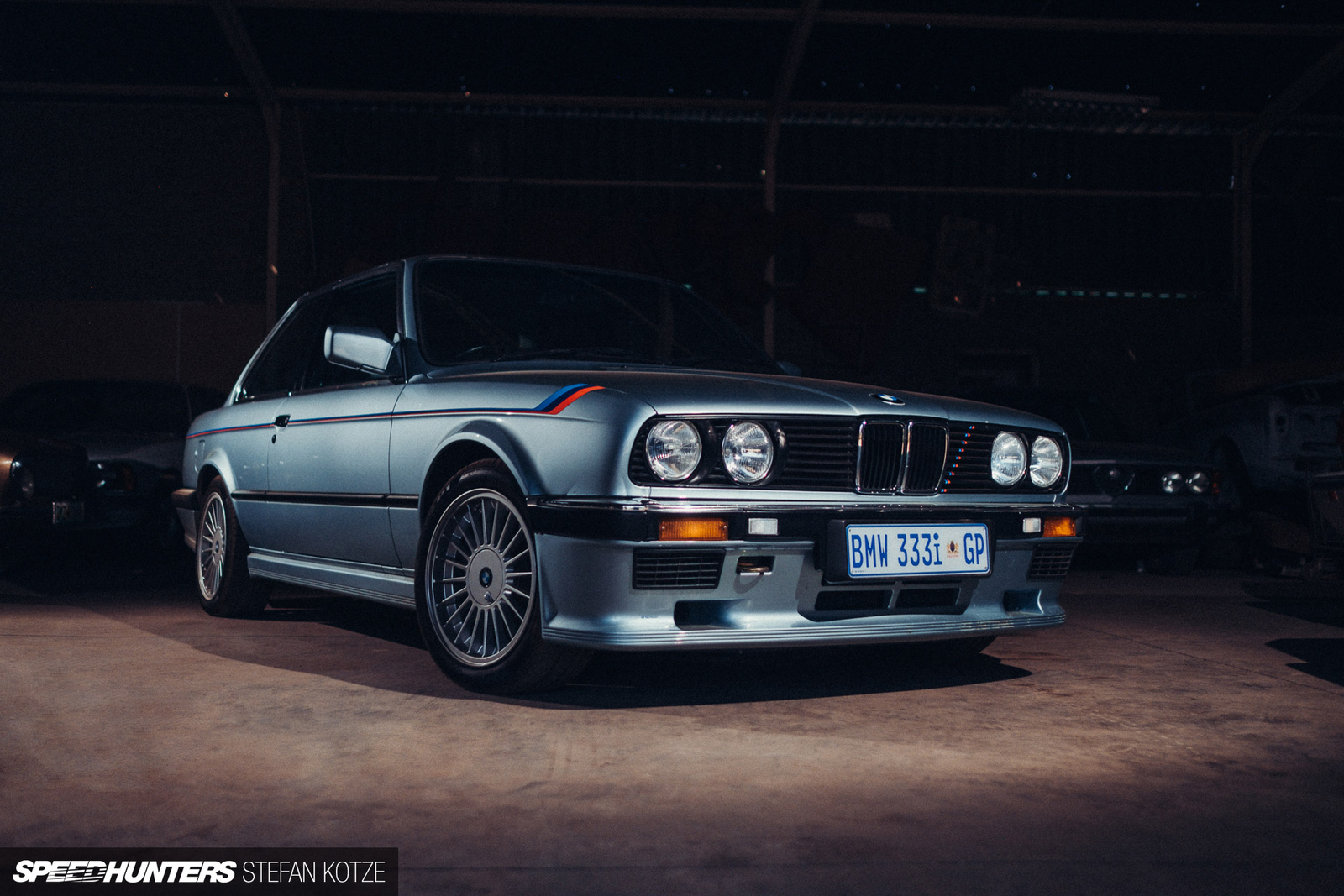
The solution turned out to be bold - a 3.2-liter six-cylinder engine from the "seven" was installed in the compact E30 body. The output is 200 hp. But the cramped engine compartment forced buyers to choose: either power steering or air conditioning - it is physically impossible to install both units.
Today, rare copies of the 333i are asking for sums exceeding the price of the original M3. After all, only a few hundred of these cars were produced, and each of them is a piece of BMW's unique history.
Cadillac CT5 Blackwing: The Last American Rebel
The Americans decided to remind Europe what real driving is and created the Cadillac CT5-V Blackwing - a sedan devoid of "environmental compromises." There are no hybrids, all-wheel drive, or electronics that interfere with having fun behind the wheel.
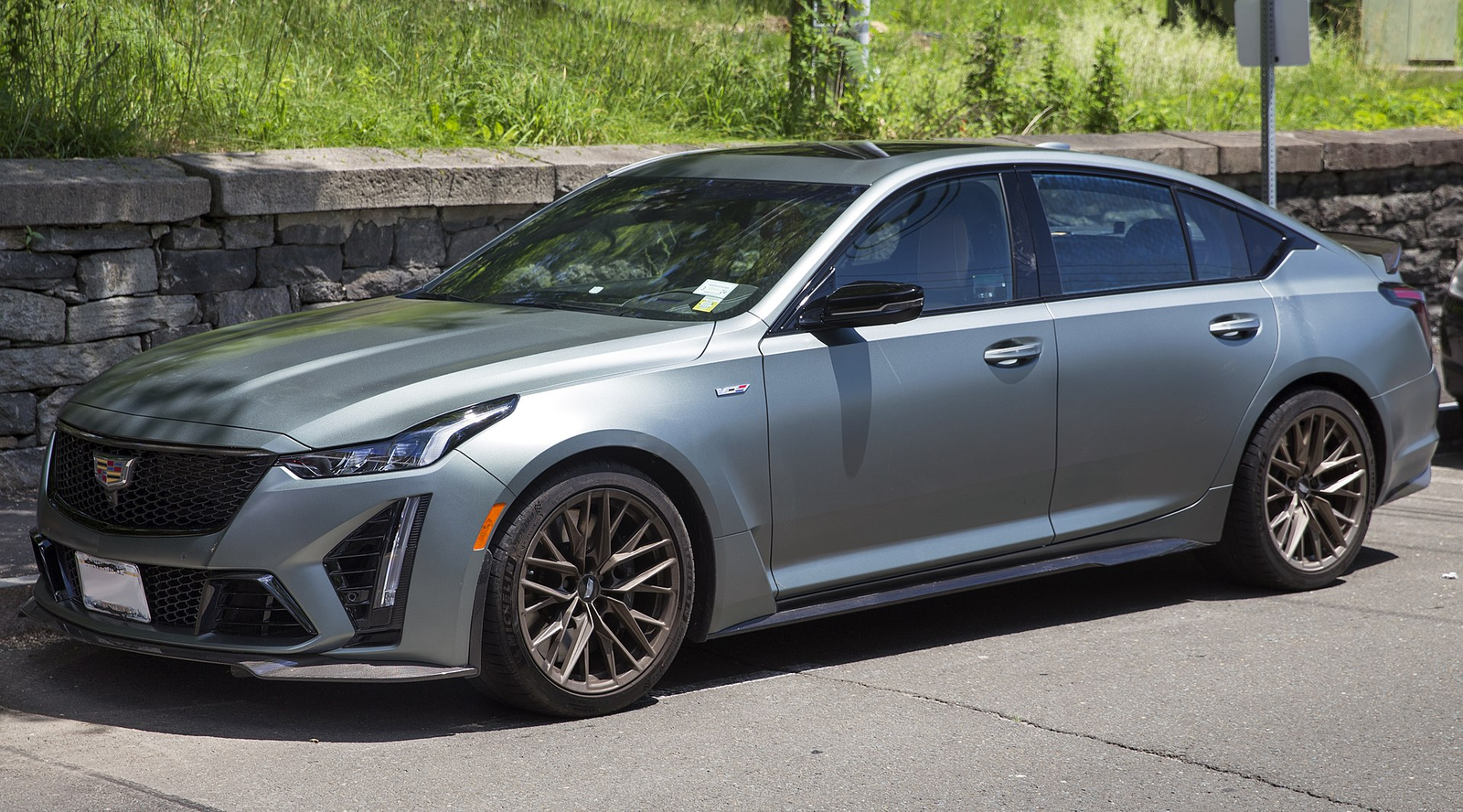
Under the hood is a 6.2-liter V8 with a mechanical compressor and an output of over 660 hp. Rear-wheel drive, minimal weight, and, attention, - a manual transmission, a rarity these days.
The only downside is that the Blackwing can only be bought in the USA. Cadillac considered it impractical to adapt the car to European emission standards. And now it is, perhaps, the last real "muscle" among sports sedans.
Lancer Evolution FQ: A British Storm
When the British division of Ralliart UK decided that the standard Lancer Evolution was not enough for them, the FQ series was born - from "F***ing Quick," if you believe the legends.
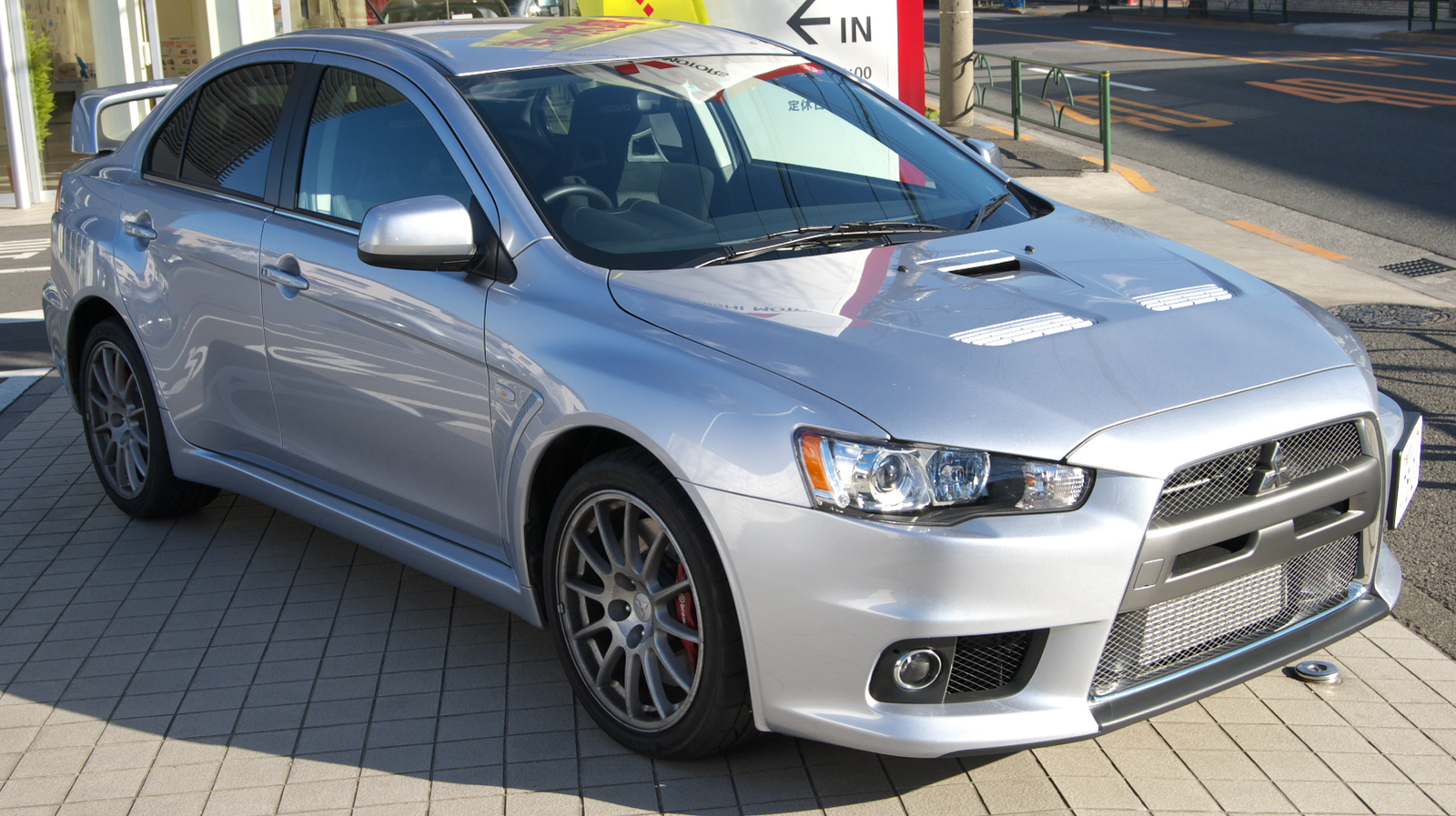
The FQ400 version received an enhanced turbine, a new control unit, a modified suspension, and an output of 400 hp from a two-liter engine. Later, on the tenth generation, the power was increased to 440 hp.
These cars were sold only in the UK and were sold in microscopic numbers - only 40 copies. Today, each FQ is worth its weight in gold, because it is, perhaps, the wildest "Evo" of all time.
Volkswagen SP2: A Brazilian Dream
When talking about sports Volkswagens, people remember the Golf GTI or Corrado. But few people know about the rare SP2, produced exclusively in Brazil.
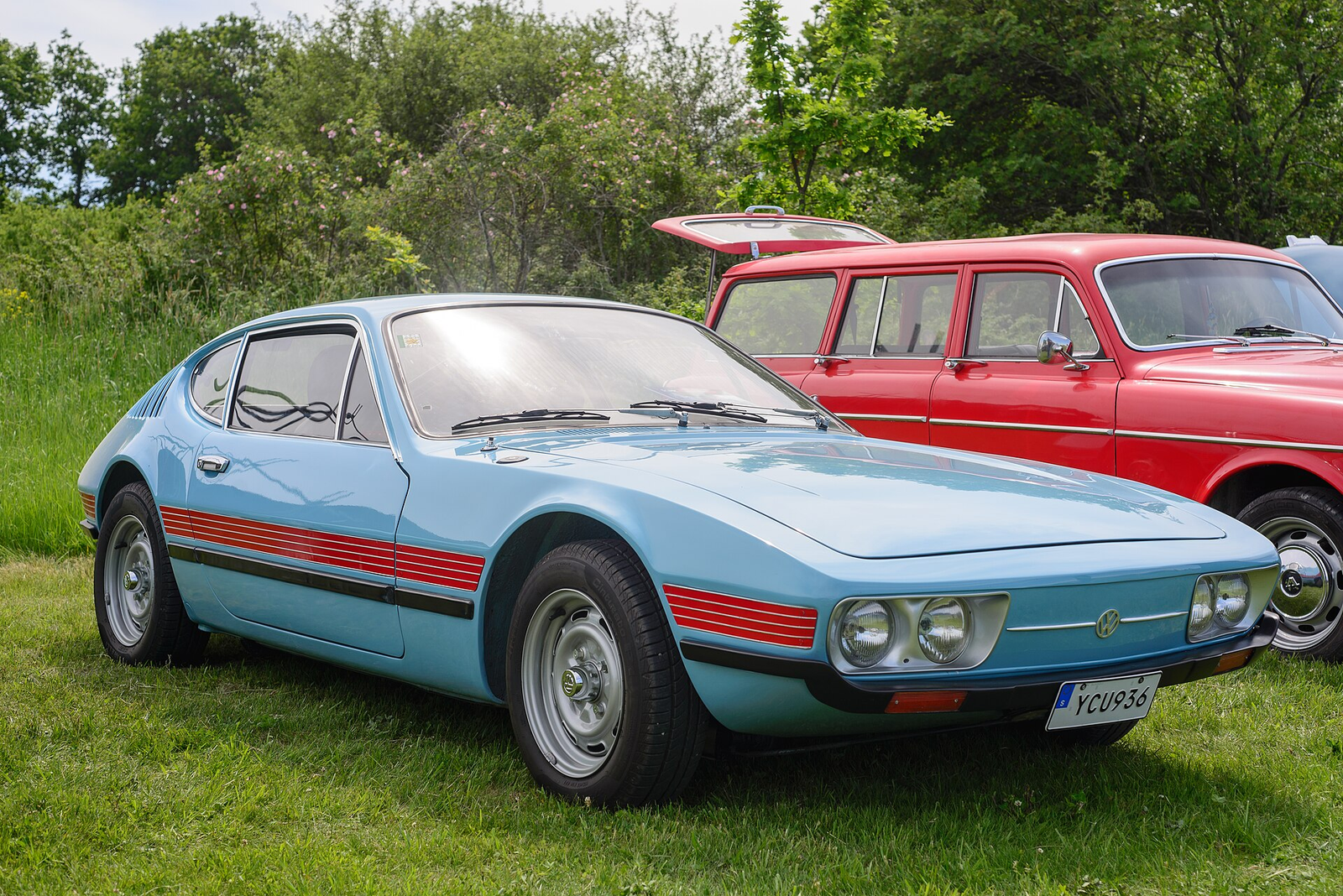
The elegant rear-engine coupe looked fast, but it lacked power: the 1.7-liter engine produced only 65 hp and accelerated the car to 100 km/h in 17 seconds. The name SP2 stands for São Paulo, in honor of the city where the factory was located.
The model was not exported - the headlights were too low and did not meet the safety requirements of the USA and Europe. Therefore, the SP2 remained a local exotic, becoming a cult object for collectors of the Latin American automotive industry.
Holden Commodore SS Group A SV: Australian Muscle
The late 80s. In Australia, the wild Holden Commodore SS Group A SV is released - a road version for homologation in the Bathurst 1000 races.
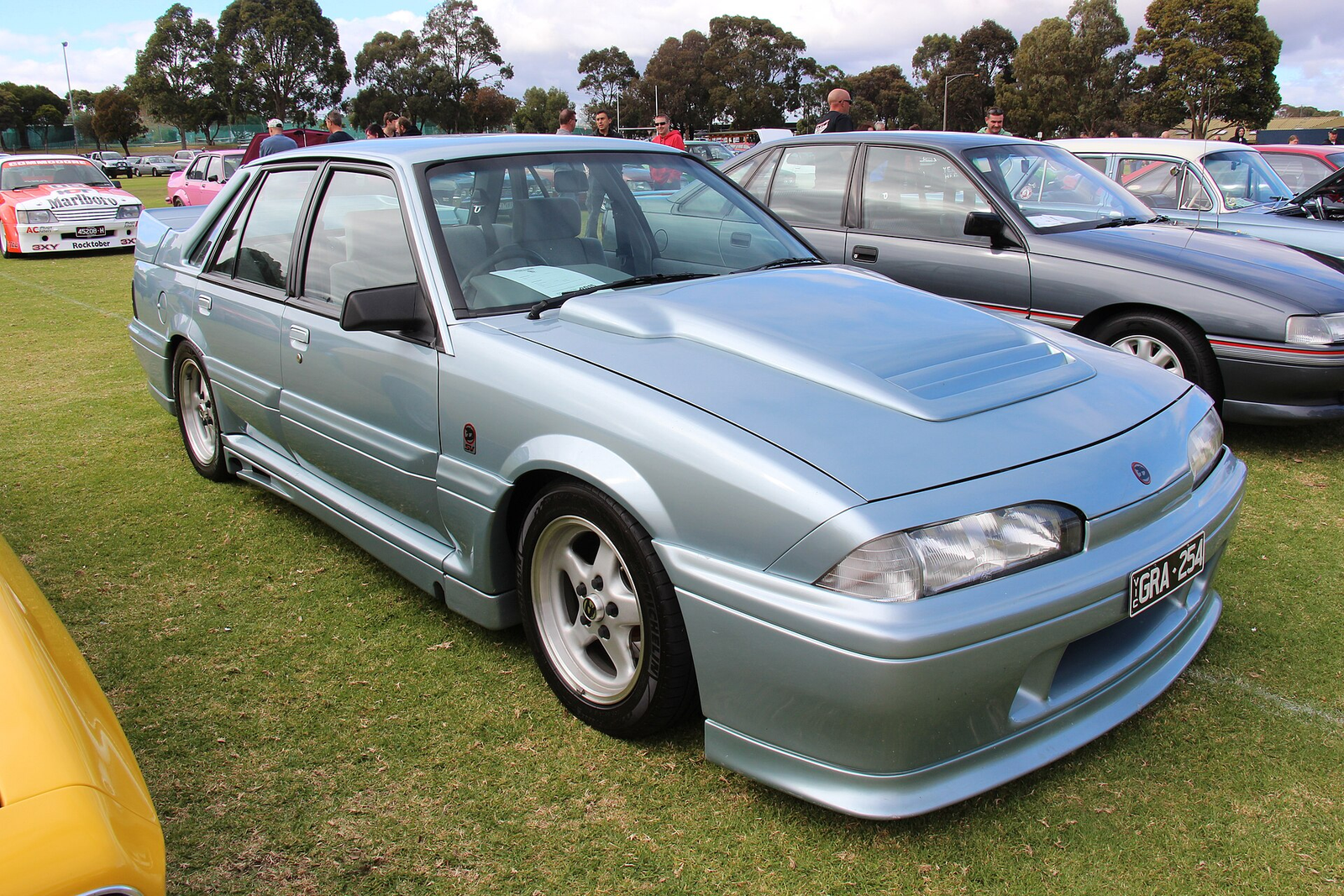
Under the hood - 259 hp, acceleration to hundreds in 6.2 s, maximum speed - 248 km/h. But the design is solid fiberglass and aerodynamic body kits, which made the car look like a toy.
750 copies were produced - 250 more than the required minimum. But the demand turned out to be weak: dealers converted some of the cars back into "civilian" versions. Today, it is a rare but bright symbol of Australian motorsport.
Toyota Century: A Flagship Only for Japan
While the whole world admired the Lexus LS, in Japan itself, true connoisseurs chose the Toyota Century. This executive sedan is an example of classic conservatism.
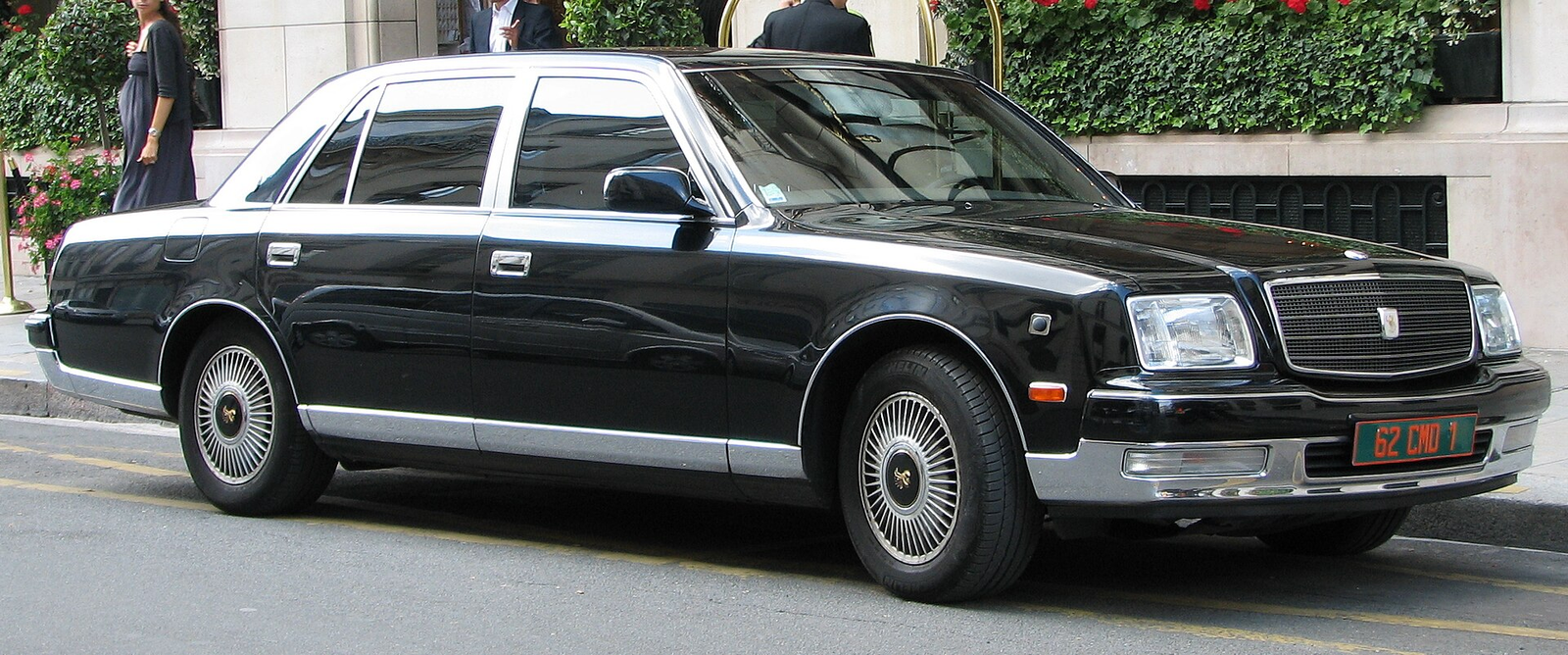
There is no gloss or ostentatious shine here: the interior is decorated with natural wool, under the hood - a V12, and the assembly is carried out manually with meticulous quality control. Each Century is created as a work of art.
The model exists exclusively in right-hand drive and is not exported outside of Japan. Perhaps that is why it remains a symbol of the Japanese understanding of luxury - restrained, respected, and unattainable.
All these cars have one thing in common: they were created not for the sake of world fame, but for a specific market and their fans. And that is what makes them truly special. After all, sometimes uniqueness is more valuable than global success.
Read more related articles:
- When to turn on the heater in winter: immediately or wait?
- Russian "Zhigulivagen": the forgotten SUV of the 90s
- Toyota Crown Signia 2026: a premium hybrid with the soul of a sedan and the body of a crossover
Comments