There are brands whose death evokes a slight sadness - like a yellowed photograph. But the story of Lancia is not just a decline, but a real tragedy of Shakespearean proportions, played out on the tracks, in the laboratories, and offices of Turin. Once it was a symbol of engineering excellence and courage, and today it is just a shadow of its name.
Working with cars every day, seeing how the world is filled with disposable cars assembled according to the principle of a "universal constructor", I increasingly remember Lancia. A company for which engineering was an art could not survive in a world where decisions are made not by engineers, but by financiers.
How did a manufacturer that gave the world the monocoque body, V-shaped engines, and six world rally championship titles, roll down to a single hatchback that is sold only in Italy? This is a story of genius, pride, and fatal mistakes.
Act I. Vincenzo Lancia: A Man Ahead of His Time
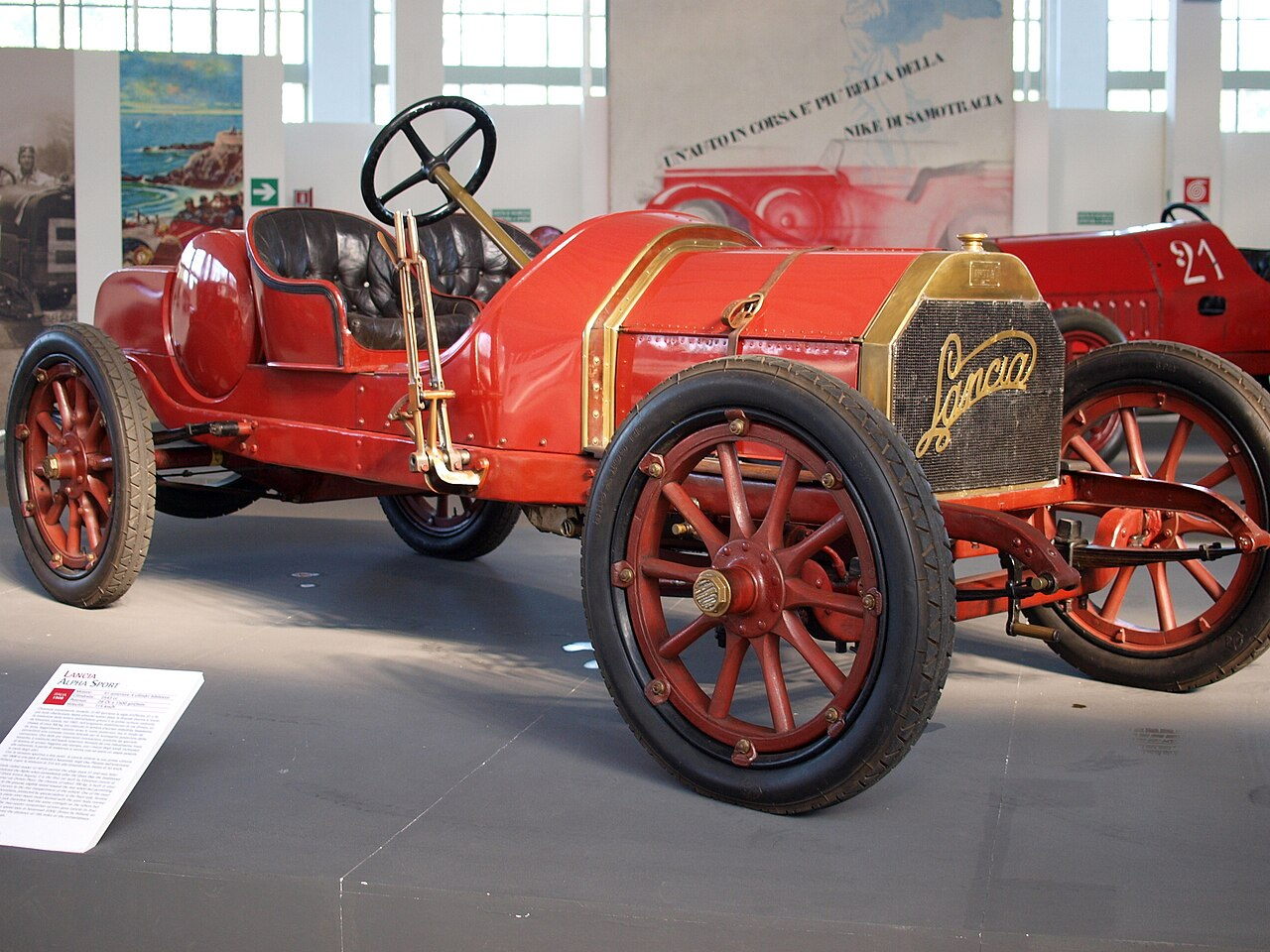
It all started with Vincenzo Lancia - a racer, engineer, and idealist. He left Fiat in 1906 to create cars without compromise. His first model, the Lancia Alpha 12 HP, already stood out because it was sold as a fully finished car, not just a chassis with an engine.
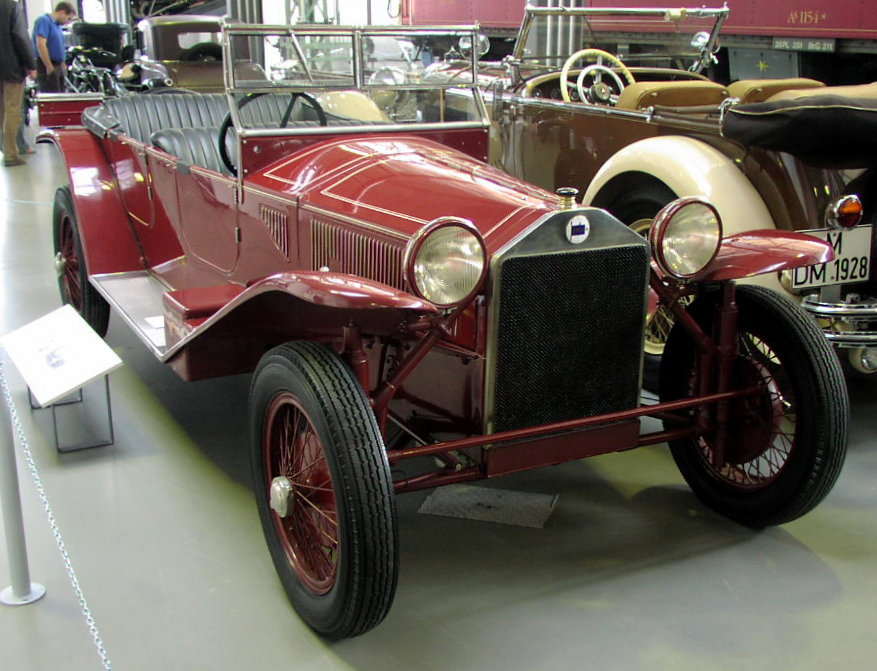
But the real revolution occurred in 1922 - with the appearance of the Lancia Lambda. It was a car that was decades ahead of its time.
- Monocoque body. At that time, all cars had a frame, like a cart. Lancia created the world's first production car where the body itself performed the load-bearing function. This reduced weight, improved handling and strength.
- Independent suspension. In the era of leaf springs and axles, Lancia introduced hydraulic struts - a step that others dared to repeat only decades later.
- The first production V4. A compact engine with a splay of only 13° made the car lower and more aerodynamic.
The Lancia Lambda became an engineering manifesto, but the production of such cars was too expensive.
After Vincenzo's death in 1937, his son Gianni continued his father's work and created the legendary Aurelia B20 GT - the first Gran Turismo coupe. Under the hood was the world's first production V6, designed by Vittorio Jano.
However, Gianni's passion for racing became fatal for the company. In the 1950s, Lancia built the ingenious D50 race car with side fuel tanks and perfect weight distribution. But there was not enough money for the team - and the project was sold to Enzo Ferrari, who created his first championship cars based on the D50.
Act II. Rally and Glory: The Cesare Fiorio Era
By the late 1960s, Lancia was on the verge of collapse. In 1969, it was acquired by the Fiat concern. At first, this looked like a rescue, but soon the engineers concentrated on their main passion - motorsport.
The team was led by Cesare Fiorio - a man combining the talent of an engineer and the cunning of a strategist. He understood that in rallying, not only speed wins, but also ingenuity.
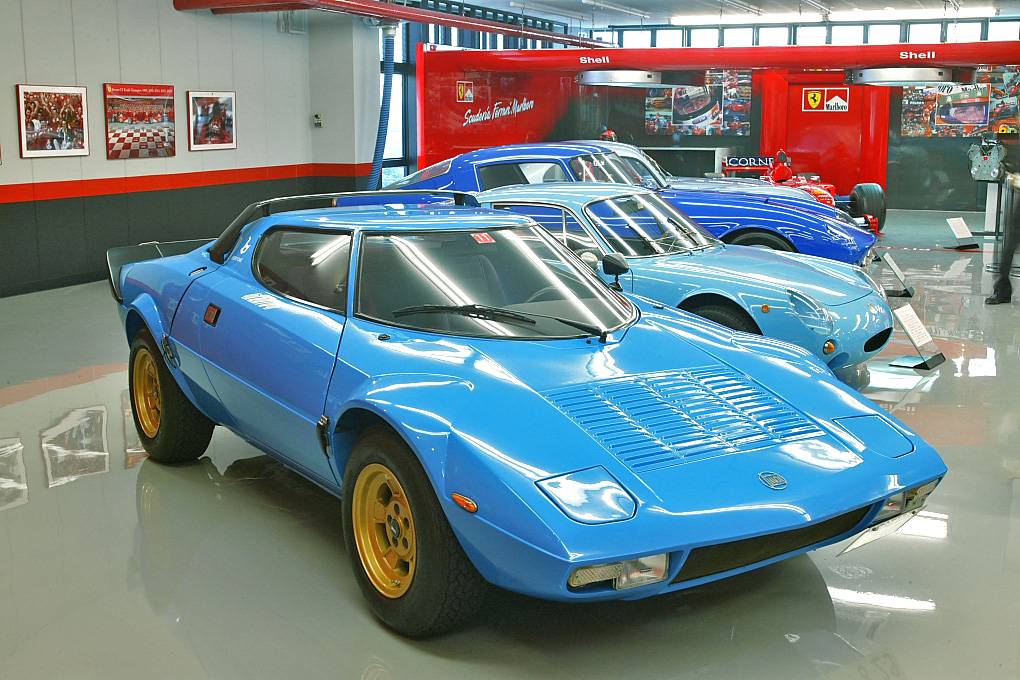
- Lancia Stratos HF (1973-1978). The first car created specifically for rallying. Central V6 Ferrari engine, wedge-shaped body from Bertone - and three championship titles in a row. The Stratos became a legend.
- Lancia Rally 037 (1982-1984). The last rear-wheel-drive champion. When everyone switched to all-wheel drive, the 037 managed to defeat the Audi Quattro thanks to its lightness and the genius of Walter Röhrl.
- Lancia Delta S4 (1985-1986). A monster with twin-charging - mechanical and turbocharging. 500 hp per 800 kg of weight. Too fast and dangerous - after tragic accidents, Group B was banned.
- Lancia Delta Integrale (1987-1992). A civilian version that became a legend. Six consecutive titles in the world championship - a record that no one has surpassed to this day.
In those years, Lancia was a symbol of victories and innovations. But behind the scenes, Fiat was already preparing "optimization".
Act III. Murder from Within: When Engineers Were Replaced by Accountants
In the 1990s, unification began. The new Delta II was based on the Fiat Tipo platform, the Kappa - on Alfa Romeo components. Lancia's engineering signature disappeared.
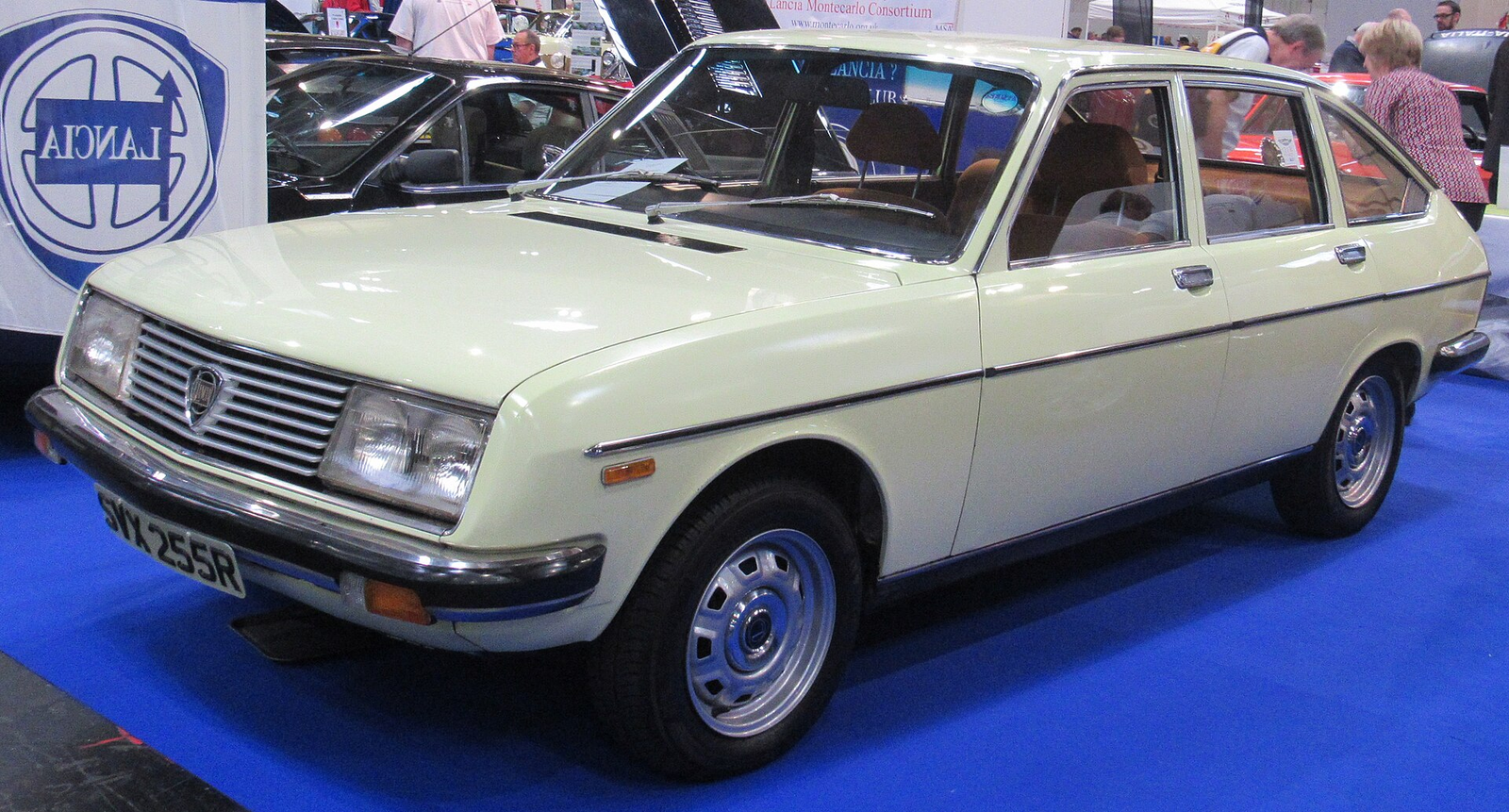
Earlier, the company was undermined by the "rust scandal": cheap Soviet metal was used for the Beta model, and the cars rotted en masse. The reputation collapsed, and no one perceived the brand as premium anymore.
In 1992, Fiat closed the Lancia rally program, destroying what made the brand alive. Further - only decline. Thesis, Phedra, Lybra - strange, heavy cars without character.
The apotheosis was in 2011, when Fiat decided to sell Chrysler in Europe under the Lancia badge. Thus, the Thema turned into the Chrysler 300C, the Flavia - into the Chrysler 200, and the Voyager - into the Grand Voyager. This was already a mockery of the legend.
A Genius Forced to Draw Labels
Fiat coldly killed Lancia. From a symbol of Italian engineering art, the brand was turned into a warehouse for unnecessary models. Today, only a small Ypsilon hatchback remains, sold only in Italy.
The Stellantis concern promises a revival of the brand, but the question remains open: will it be the same Lancia, born in passion and gasoline, or just another marketing project?
Lancia is dead, but its spirit lives on. Stratos, 037, Delta Integrale - these are not just cars. These are monuments to human genius.
Read more related articles:
- 10 rarest cars from "Fast and Furious": from Daytona to Koenigsegg
- Top 5 legendary cars from speed genius Carroll Shelby
- Rare cars that are hard to get: legends for insiders
Комментарии