One car for life - sounds fantastic, but in the 1970s it became a reality. And this car was invented not just anywhere, but in Sweden. The Volvo 240 turned out to be so reliable that owners were in no hurry to change it for something new. And manufacturers around the world began to get nervous: after all, without breakdowns, you won't sell the next car.
Without "Planned Obsolescence"
In the fall of 1974, Volvo introduced the 200 series - the two-door 242, the four-door 244, and the 245 station wagon. Outwardly, it was a typical "brick" with a harsh Scandinavian character, but with the soul of an engineer.
In fact, it was not just a restyling of the old "hundred series", but a deep modernization: a redesigned front end for safety, a new suspension and steering rack instead of a gearbox. The rear axle remained classic - solid, with disc brakes. Initially, the engine was the old B20, with a cast-iron head and lower camshaft, but it was soon replaced by the B21 with an aluminum "head" and upper camshaft.
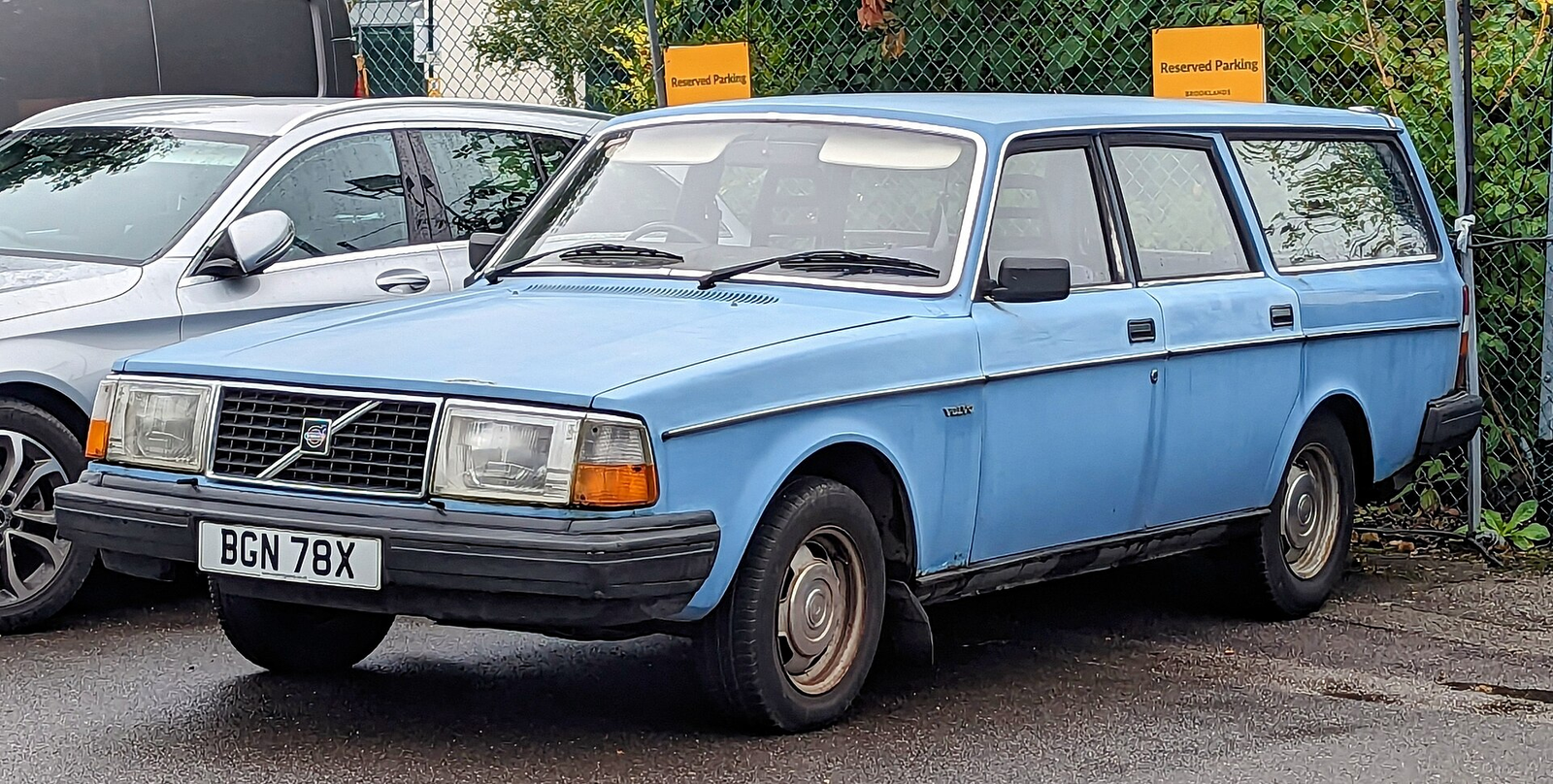
In 1975, the six-cylinder Volvo 264 appeared, and a little later - even the 262, a two-door coupe for the US market. The Swedes then adhered to a logical designation system: the first digit is the series, the second is the number of cylinders, the third is the number of doors.
Round, square, and "CRT" headlights
Initially, the Volvo 240 was produced in three trim levels - L, DL, and GL. The basic version did not have power steering or "overdrive", but the GL had air conditioning and metallic paint.
Later, the lighting became a kind of hallmark of the series. Simple L and DL had round headlights, while GL and GLE had rectangular ones. American versions, as required by their standards, sported four "eyes."
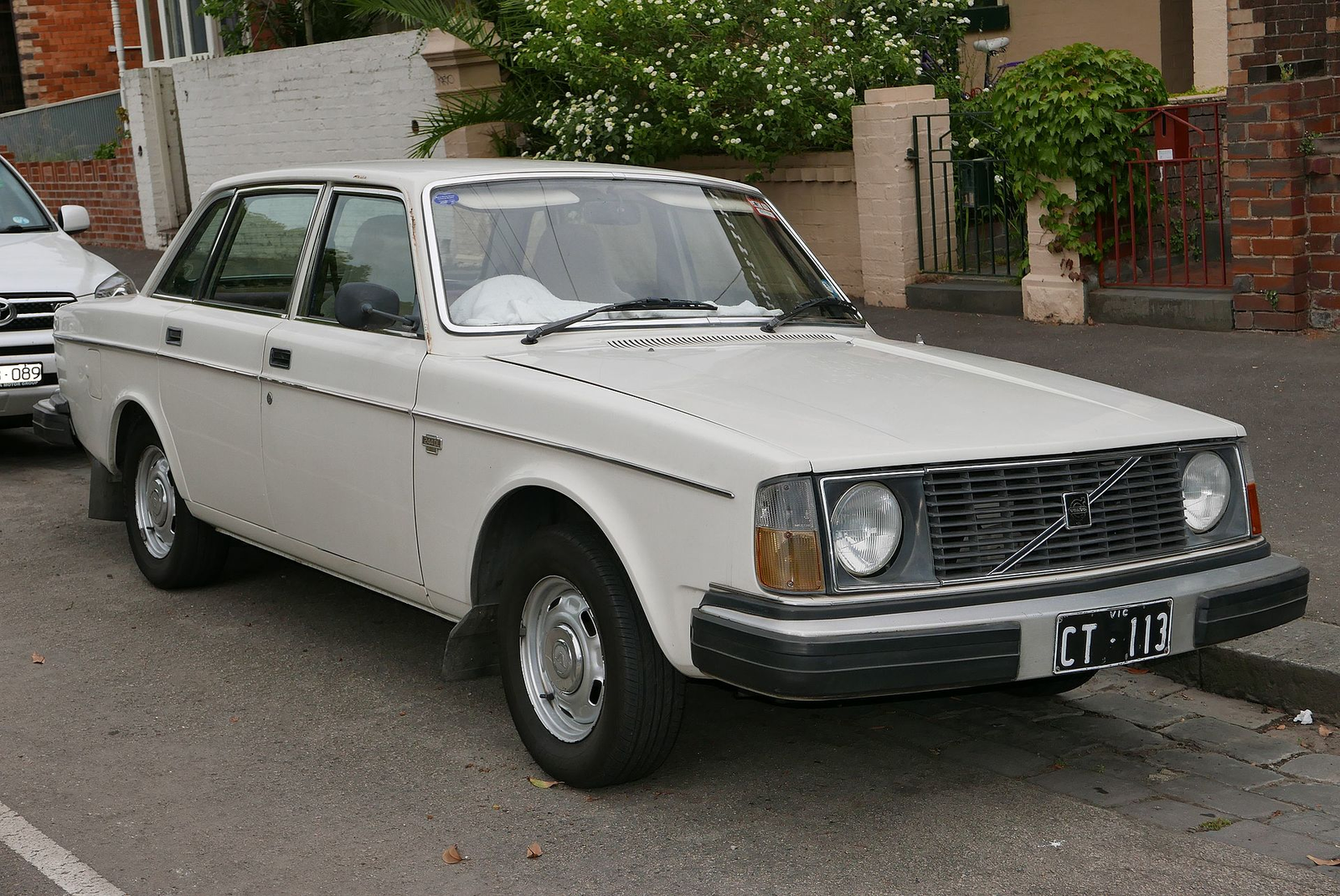
In 1978, the sporty 242GT with 123 hp was released - with it, Volvo first spoke in the language of driving. At the same time, anti-corrosion treatment and painting were improved - a step that subsequently made the 240 one of the most "indestructible" cars of its time.
By the 1980s, the body was slightly refreshed - new headlights, grille, hood, and in 1984, the 244 and 245 were renamed simply 240 and 240 Estate. The design hardly changed, but no one blamed Volvo for this: they bought it not for fashion, but for durability.
Engines: a million kilometers is not the limit
The old B20 quickly gave way to the more modern B21. Then came the B19 and B17 variants - all of them were part of the legendary Redblock family, famous for its reliability and simplicity.
These engines could be either naturally aspirated (90-136 hp) or turbocharged (up to 182 hp). Their lifespan was limited not by wear, but by the owner's conscience - there are known cars that have traveled over a million kilometers.
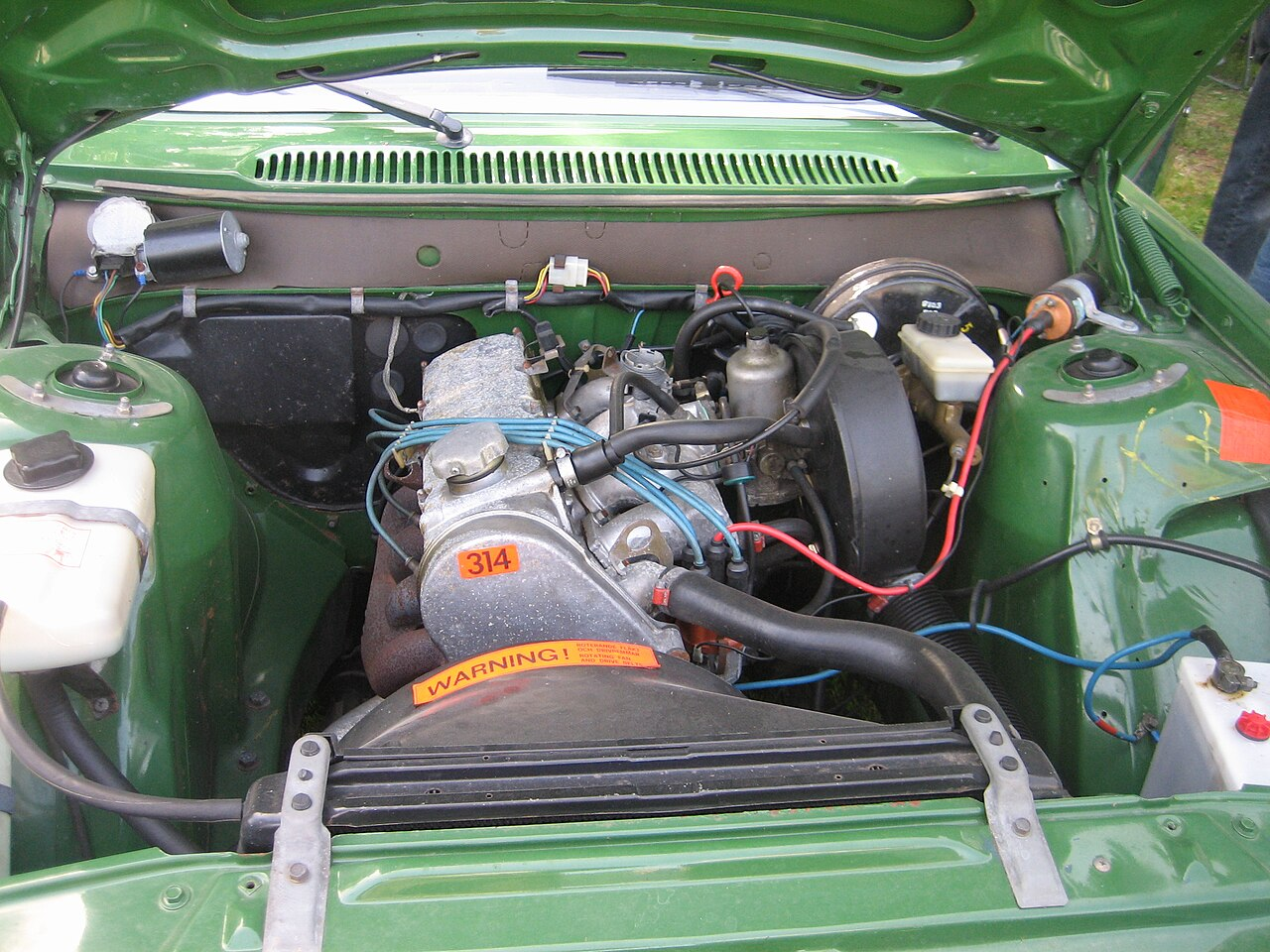
In 1979, a diesel version appeared with a D24 engine from Volkswagen - economical, but capricious in maintenance. And the six-cylinder V6 PRV, created jointly with Peugeot and Renault, became famous for its reliability problems and voracity.
Italian chic and East German luxury
The most unusual version is the Volvo 262C, created by the Bertone studio. The coupe featured a lowered roofline, vinyl trim, and an elegant profile in the spirit of American luxury cars of the 1970s.
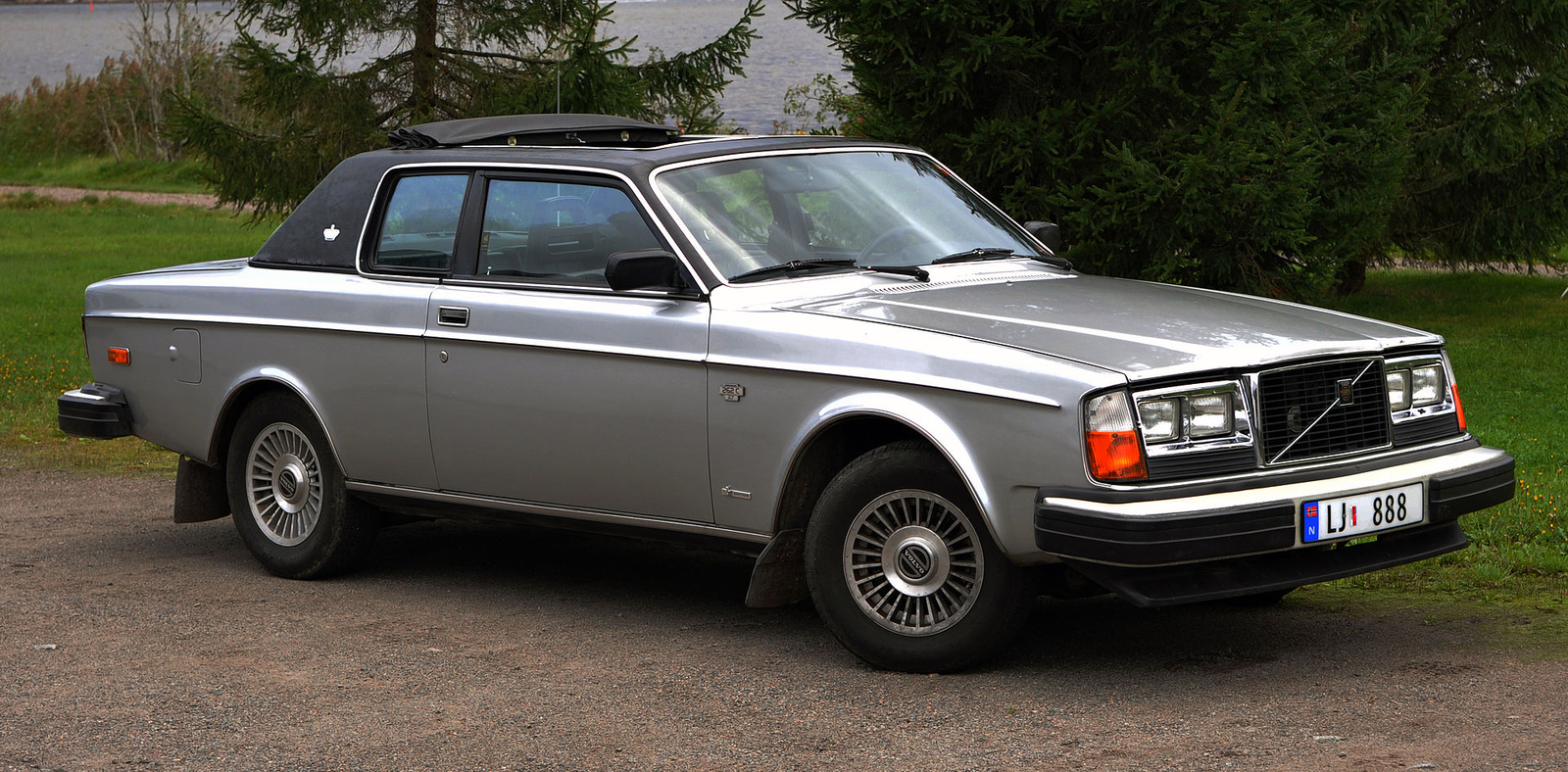
Production was carried out in Turin, where the extended version of the 264TE was also assembled - a seven-seater limousine for VIP clients. Cars of this series served in the royal court of Sweden and even in the garage of the head of the GDR, Erich Honecker. For him, the Swedes built two parade landaulets with a soft top - unique specimens worthy of a museum.
Favorite of stars and ordinary mortals
The list of Volvo 240 owners is impressive: Kurt Cobain, Ozzy Osbourne, Adam Savage from "MythBusters" and IKEA founder Ingvar Kamprad. Whether you're a rock star or an engineer, the Volvo 240 was equally respected for its reliability and honesty of design.
There's nothing to break here. Simple inline "fours", mechanics with "overdrive" and classic suspension on a solid axle - the simpler, the more reliable. The only weakness is the electromechanical solenoid for engaging "overdrive", which failed with age. Everything else lasted for decades.
The last real Volvo
Car enthusiasts still argue: which Volvo should be considered the last "real" one? For some, it's the 240, for others - the 740 or the front-wheel-drive 850. But one thing is clear: it was the "two-forty" that became a symbol of the eternal car.
The Volvo 240 spawned what journalists later called the "curse of the reliable car." When nothing breaks, the owner stops taking care of the car. Many copies were sold only when they were barely running.
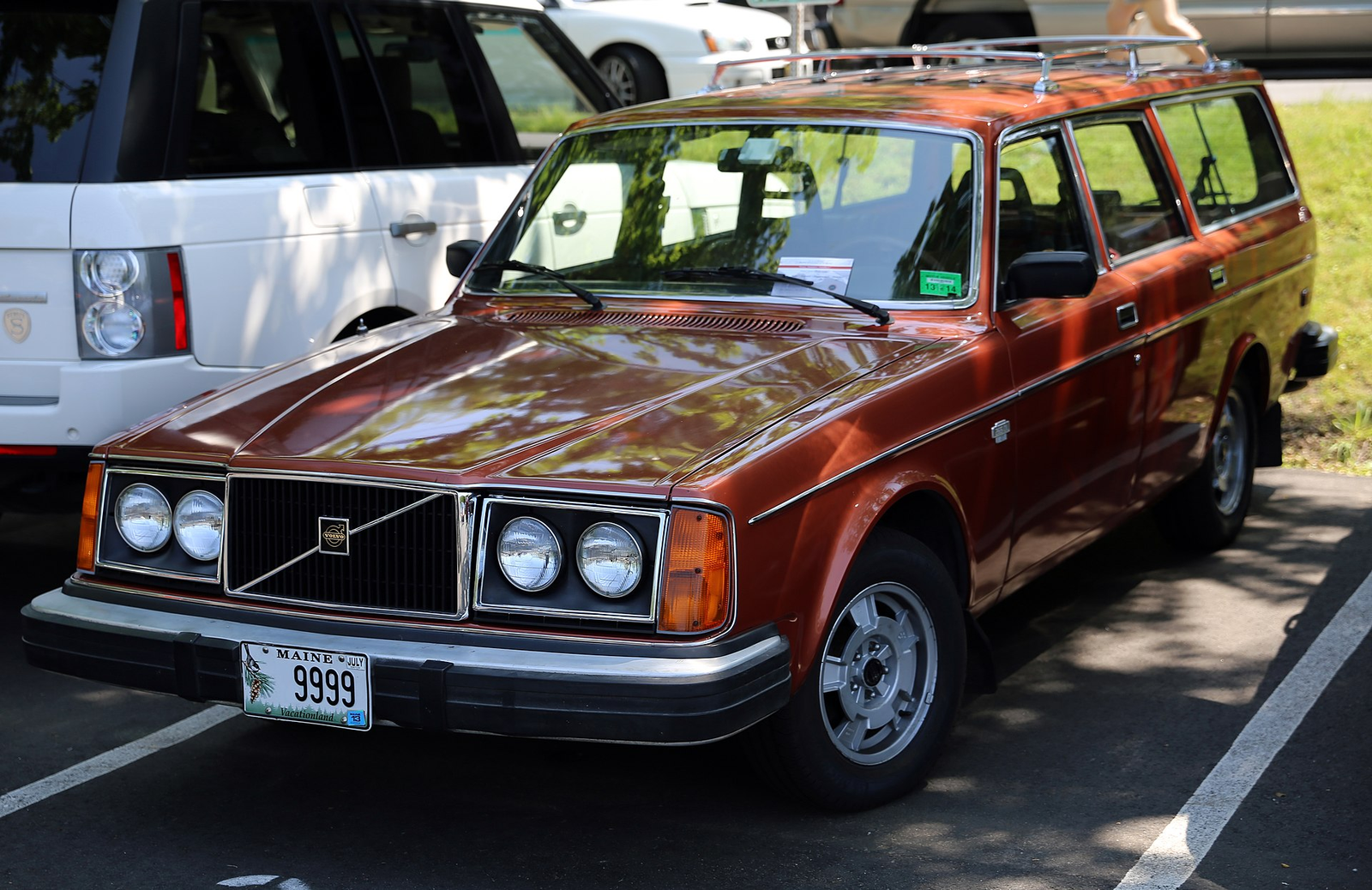
Of the 2.8 million cars produced, many have survived to this day, but there are fewer and fewer "living" ones. There are only a few of them on the Russian market - from 250 thousand rubles for an average copy to a million for a well-maintained two-door 242. The best choice is a gasoline version with a "four" without tuning: reliable, simple, eternal.
The Volvo 240 is not just a car, but a philosophy. A symbol of a time when engineers thought about reliability, not about warranty periods. It outlived fashion, crises, and even its successor. And it remains a reminder that a car can be eternal - if it is made with love and without compromise.
Read more related articles:
- 10 rarest cars from "Fast and Furious": from Daytona to Koenigsegg
- Top five legendary cars from speed genius Carroll Shelby
- Rare cars that are impossible to get: legends for insiders
Комментарии