The history of the motorcycle begins in 1885, when Gottlieb Daimler and Wilhelm Maybach presented the Daimler Reitwagen to the world - the first two-wheeled vehicle with a gasoline internal combustion engine. From that moment on, motorcycles became a symbol of freedom, speed and an endless pursuit of adventure.
For more than a century, they have transformed from experimental designs into equipment for any task: from everyday trips and long journeys to track races and custom culture. But among the many models, there are those that did not just stand out - they set the vector for the entire industry. That's what we're going to talk about.
Brough Superior SS80
Brough Superior appeared in 1919 thanks to the enterprise of George Brough - and very quickly became known as the "Rolls-Royce among motorcycles." Luxurious trim, highest quality and power made the brand a legend of its time.
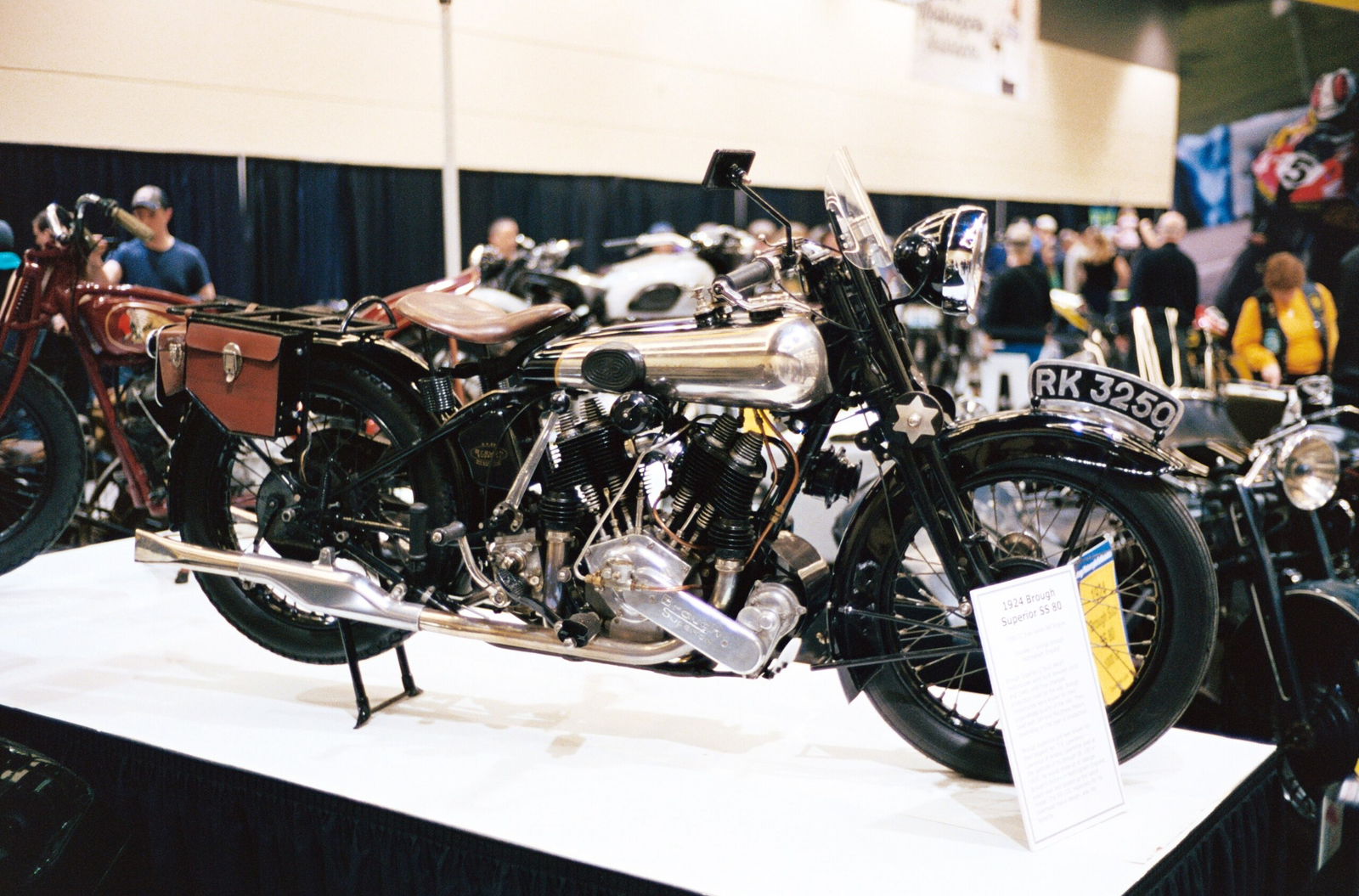
The cost of the SS80 reached 170£, which was a huge amount: with an average salary of 3£ a week, the motorcycle cost as much as a decent house.
Under the hood was a 1000 cc V-twin with 25 hp, allowing it to accelerate to an incredible 160 km/h for those times. A total of about 3,000 of these motorcycles were produced, and today they are worth their weight in gold. One 1929 model went under the hammer for $454,000.
Moto Guzzi V8
The Italian Moto Guzzi V8, introduced in 1955, became a real engineering madness. An eight-cylinder V-shaped engine with a volume of 500 cm³, water cooling and a separate carburetor for each cylinder made it almost a clockwork mechanism on two wheels.
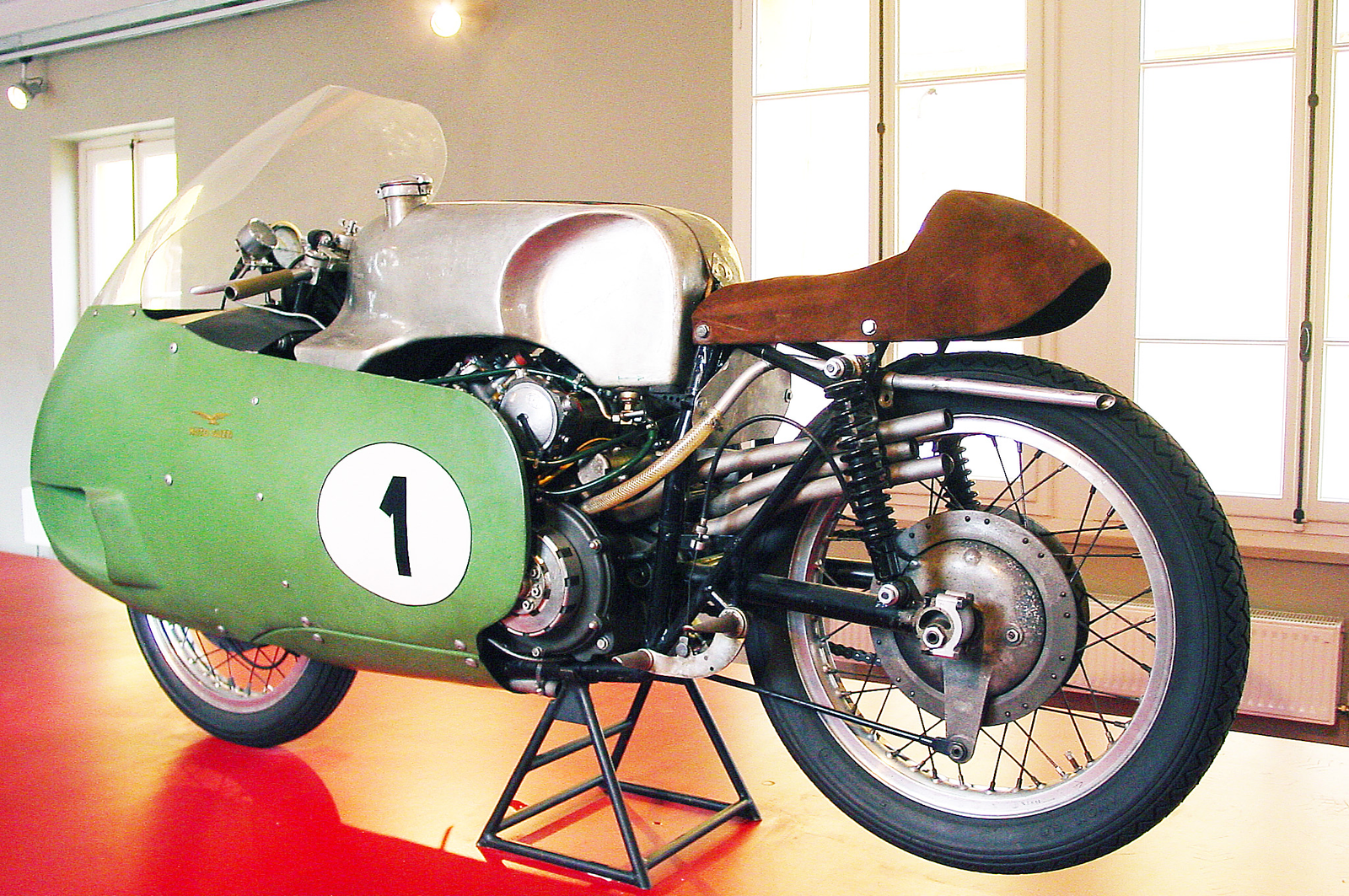
The engine parts were so miniature and fragile that they worked literally to the limit. The development of one bike cost a million lire - about $55,000 at today's rates, which put an end to the project in three years.
Nevertheless, the V8 went down in history as one of the most avant-garde and technologically advanced racing motorcycles of its era.
Harley-Davidson Knucklehead
In the 1930s, the Knucklehead became a true icon of American motorcycle culture. Its sleek silhouette, long fork and power made it the fastest motorcycle in the United States in 1936 - faster than the cars of the time.
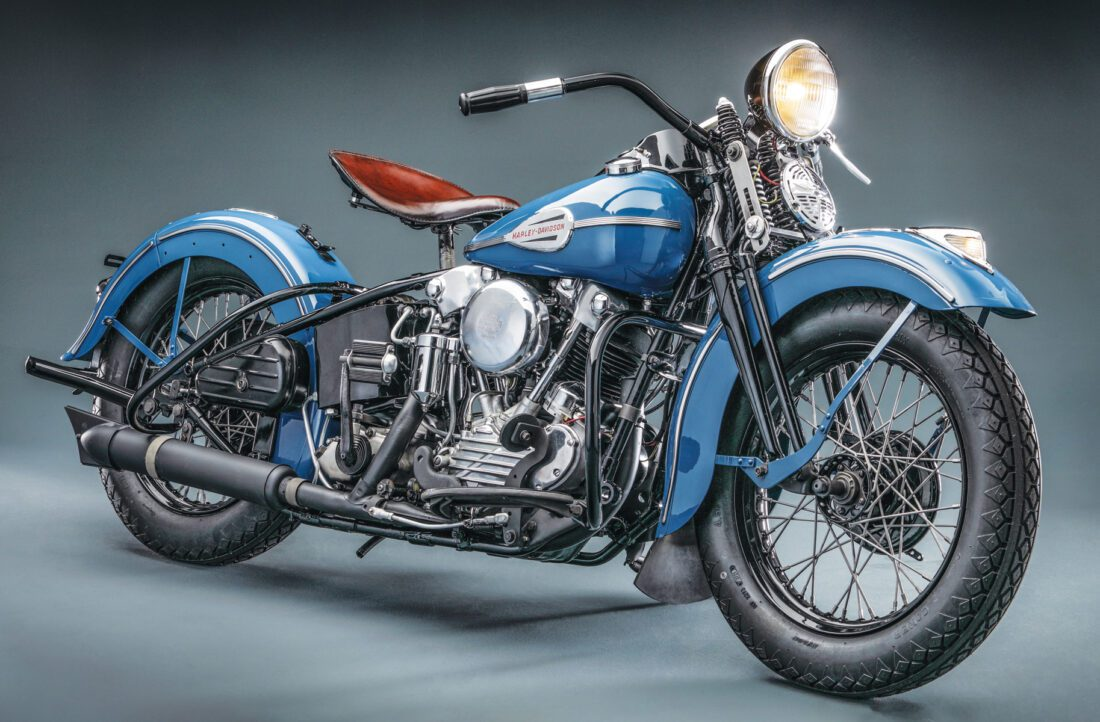
It became a symbol of freedom, the road and a kind of "biker sexuality."
The bike received a V-twin with a 45-degree angle, overhead valves and two valves per cylinder. It got the name Knucklehead for the shape of the valve covers, which resembled a fist with knuckles. And today the model remains iconic - it is bought for its rebellious image and the spirit of the era.
Britten V1000
Britten V1000 is a vivid example that revolutions are sometimes created not by corporations, but by enthusiasts. John Britten and his small team built this motorcycle in 1991... in the garage. And yet the bike eclipsed famous brands.
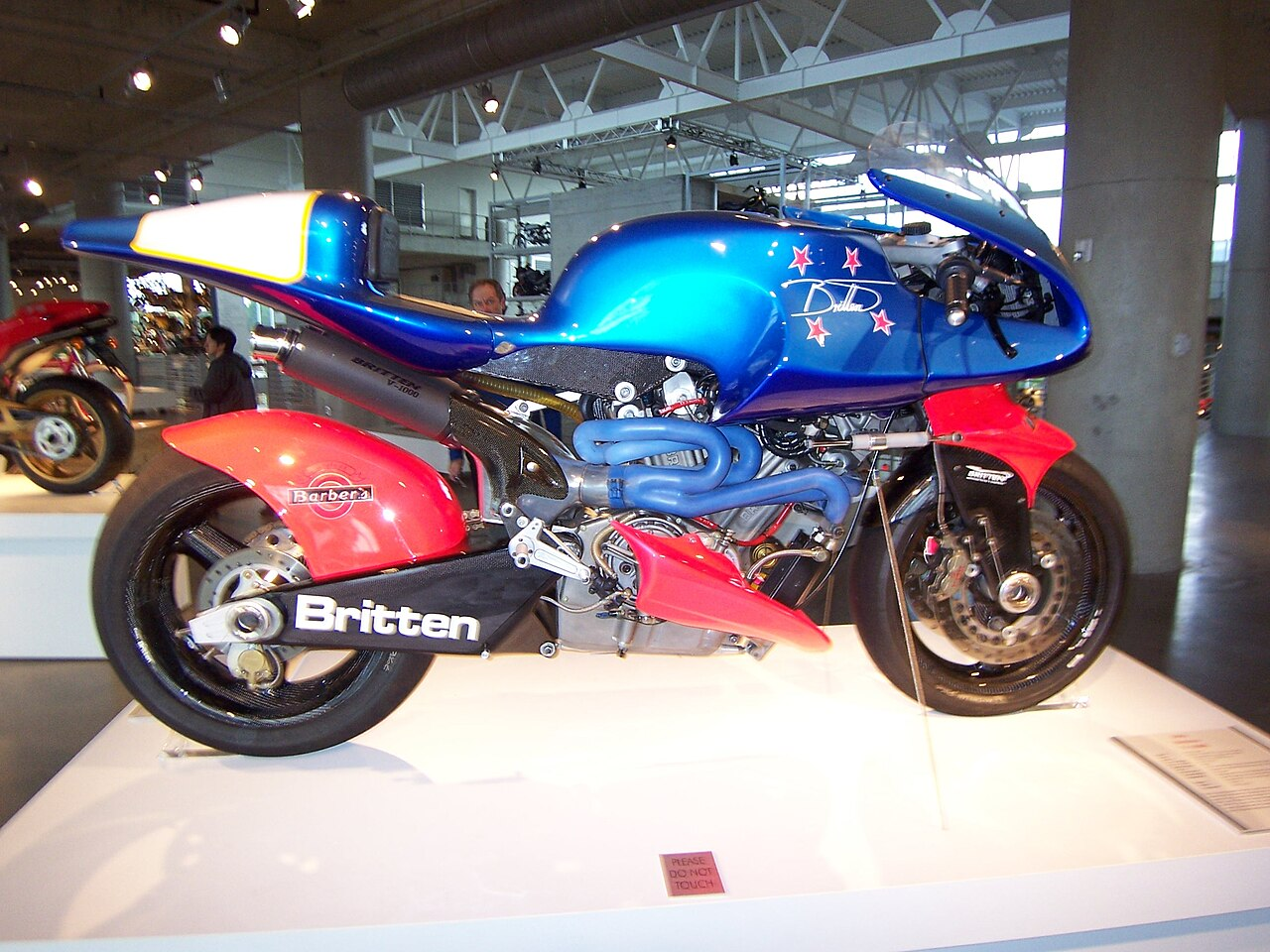
With 170 hp from a V-shaped two-cylinder engine, the main innovative idea was not power, but the concept: maximum lightness and a minimum number of parts. The suspension, swingarm and fork were attached directly to the engine using carbon elements, and the body itself was completely carbon fiber.
The weight turned out to be fantastic - only 145 kg. A real engineering miracle, born in a small workshop on the other side of the world.
Hildebrand & Wolfmüller
Released in 1894, the Hildebrand & Wolfmüller became the first production motorcycle to officially receive this name. The design was based on the idea of a steam bike, so it seemed unusual even by the standards of early technology.
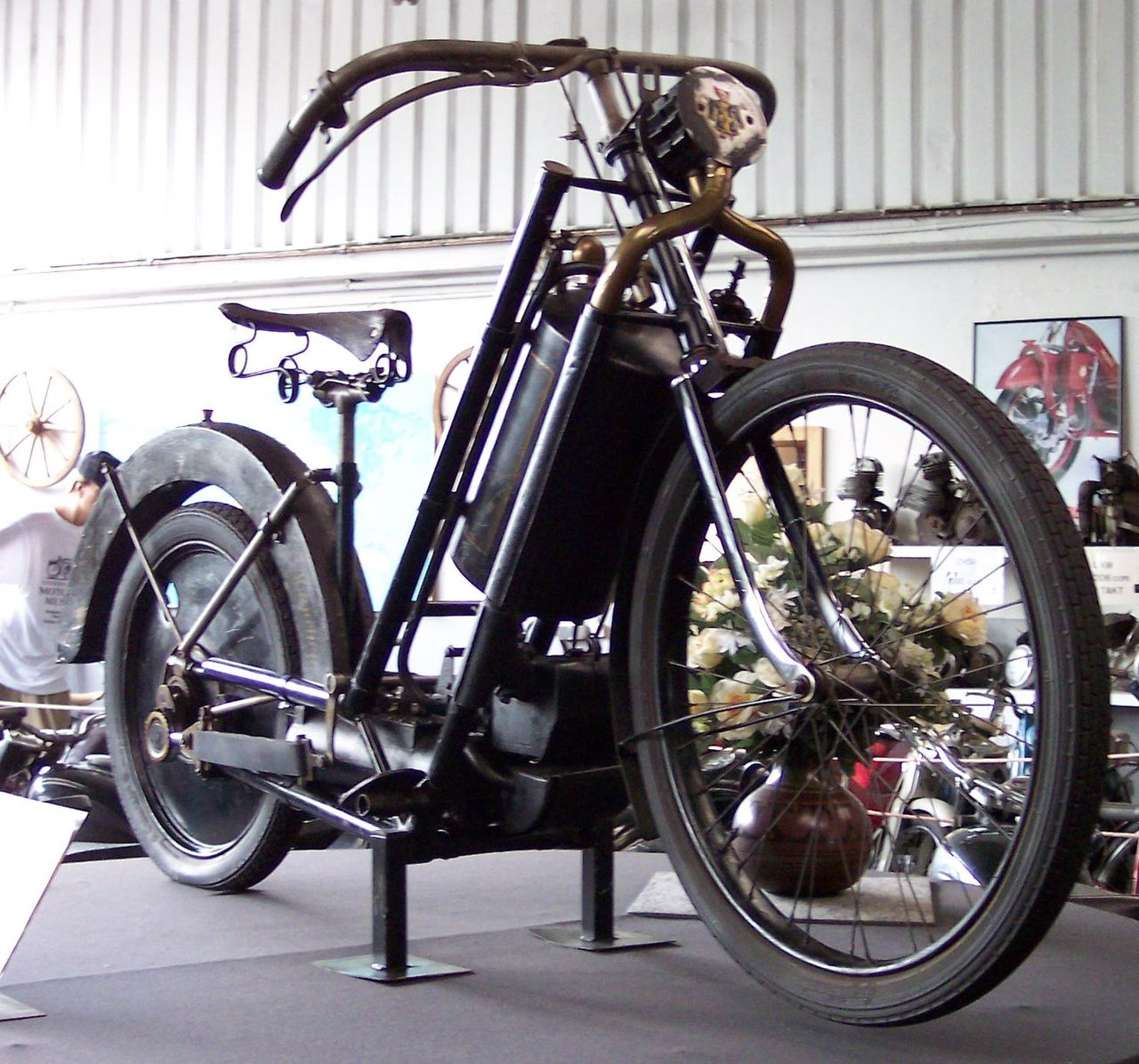
The rear axle was also the crankshaft - the pistons rotated the wheel directly through the connecting rods. And the return occurred thanks to rubber bands, which acted as a kind of spring.
It was extremely difficult to control such a device, but it became the starting point of the industry.
Yamaha OW61
The Yamaha OW61, which appeared in 1982, became the ancestor of the era of two-stroke racing V4s, which ruled the 500 cm³ class for almost two decades.
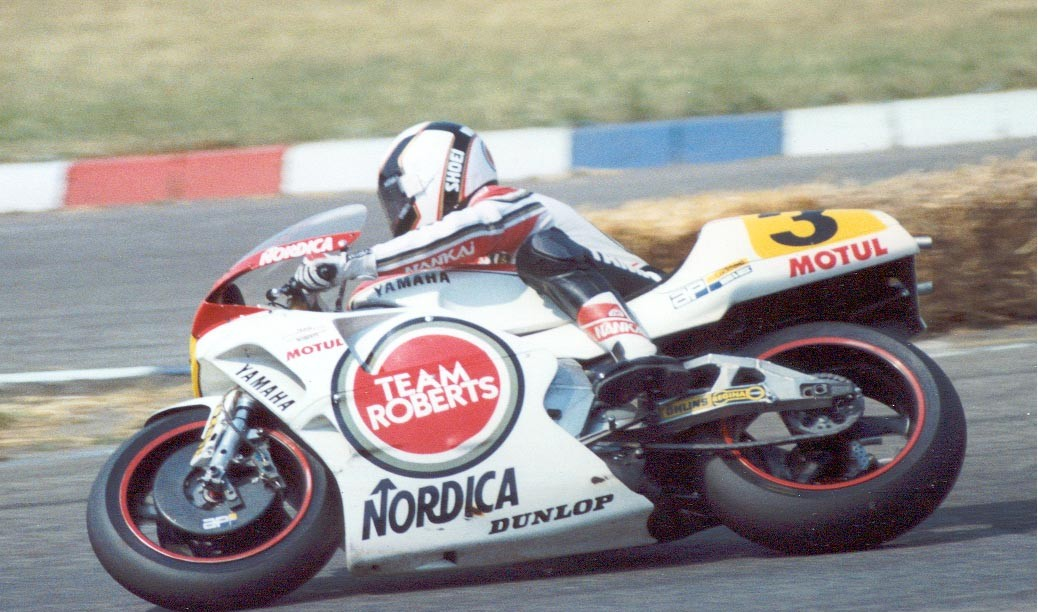
The main innovation was the frame, designed by Antonio Cobas. It is considered the first example of an aluminum "beam" frame, which foreshadowed the modern Deltabox.
In 1983, Yamaha secured the name - and since then this architecture has become the hallmark of the brand's sports models.
Bimota SB2
Created by the legendary Massimo Tamburini, the Bimota SB2 became a brilliant combination of design and engineering. It impressed not only with its appearance, but also with technical solutions that boldly stepped forward.
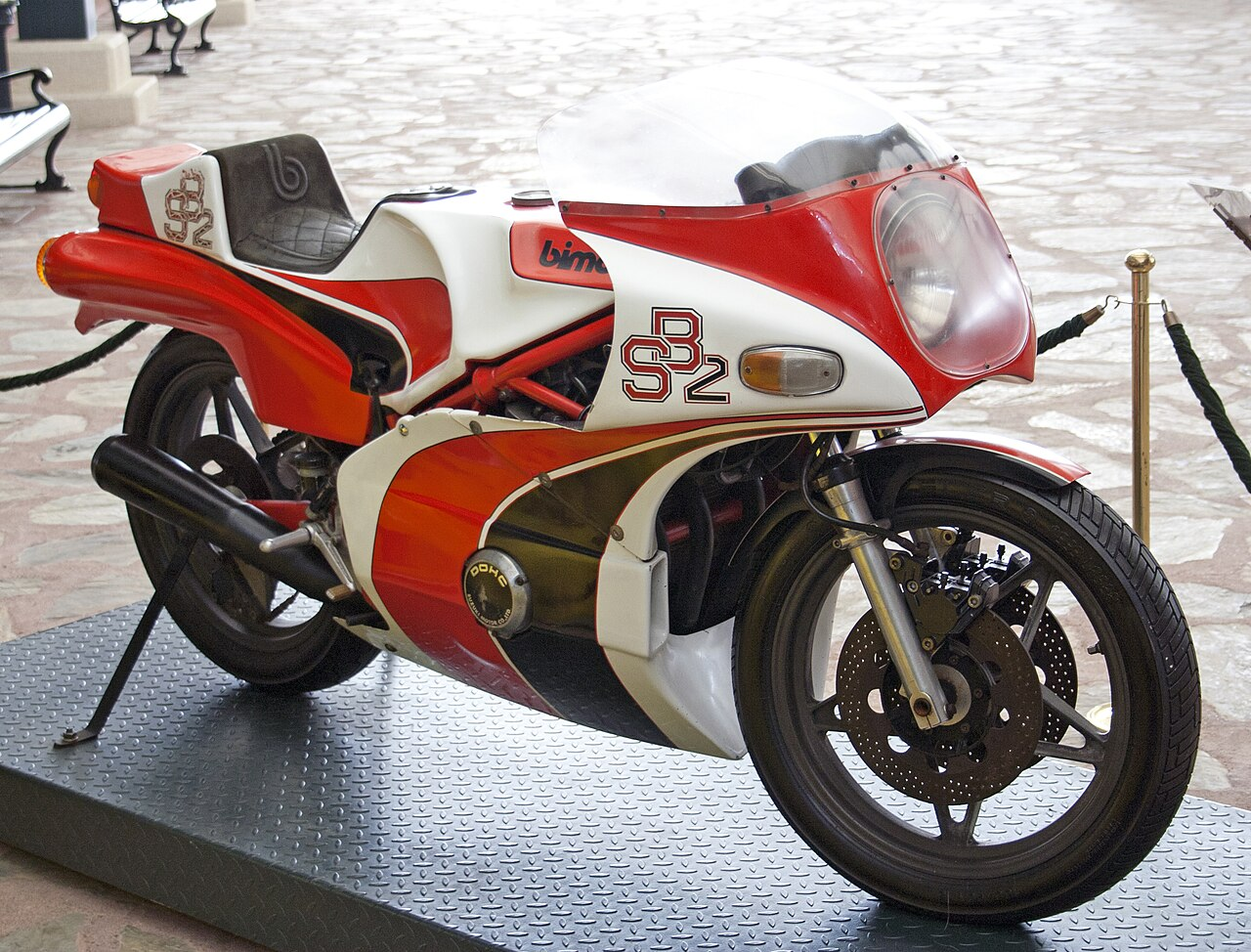
The rear suspension with a monoshock in 1977 was almost a sensation for road bikes. Plus, the SB2 became one of the first production models with a full racing fairing - at that time it looked like real fantasy.
And many SB2 technologies will become standard only years later.
Honda FireBlade
Honda FireBlade - a motorcycle that turned the world of sports bikes upside down. Instead of chasing horsepower, engineers focused on minimizing weight. The weight of 185 kg gave a huge advantage over competitors, who were 20-30 kg heavier.
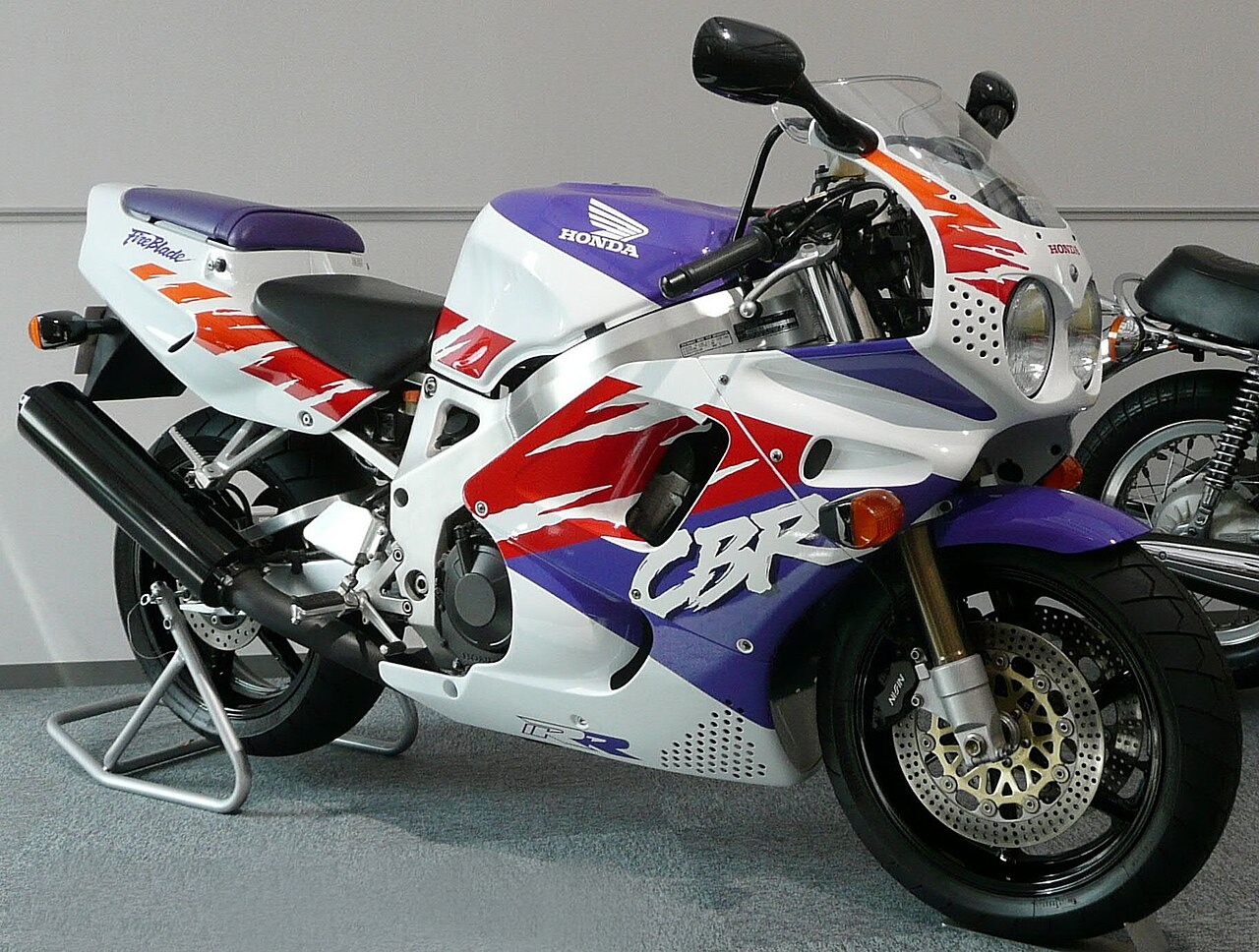
The FireBlade combined the acceleration of a liter sports bike and the handling of a 600 cc. It became the standard of the class and immediately set new standards for all manufacturers.
Read more materials on the topic:
- "Monster for off-road": what the new Uran Ultra shown at "Vezdekhoder" can do
- Where are the fastest cars: from rally to speed records
- Honda NC750X DCT 2025: what's new in the updated "universal"
Комментарии