AvtoVAZ, in the process of preparing the release of the new Lada Iskra model, conducted tests of vehicles on a solar radiation simulation stand for the first time. A special chamber simulates six years of operation in regions in southern Russia with the car stored in open areas.
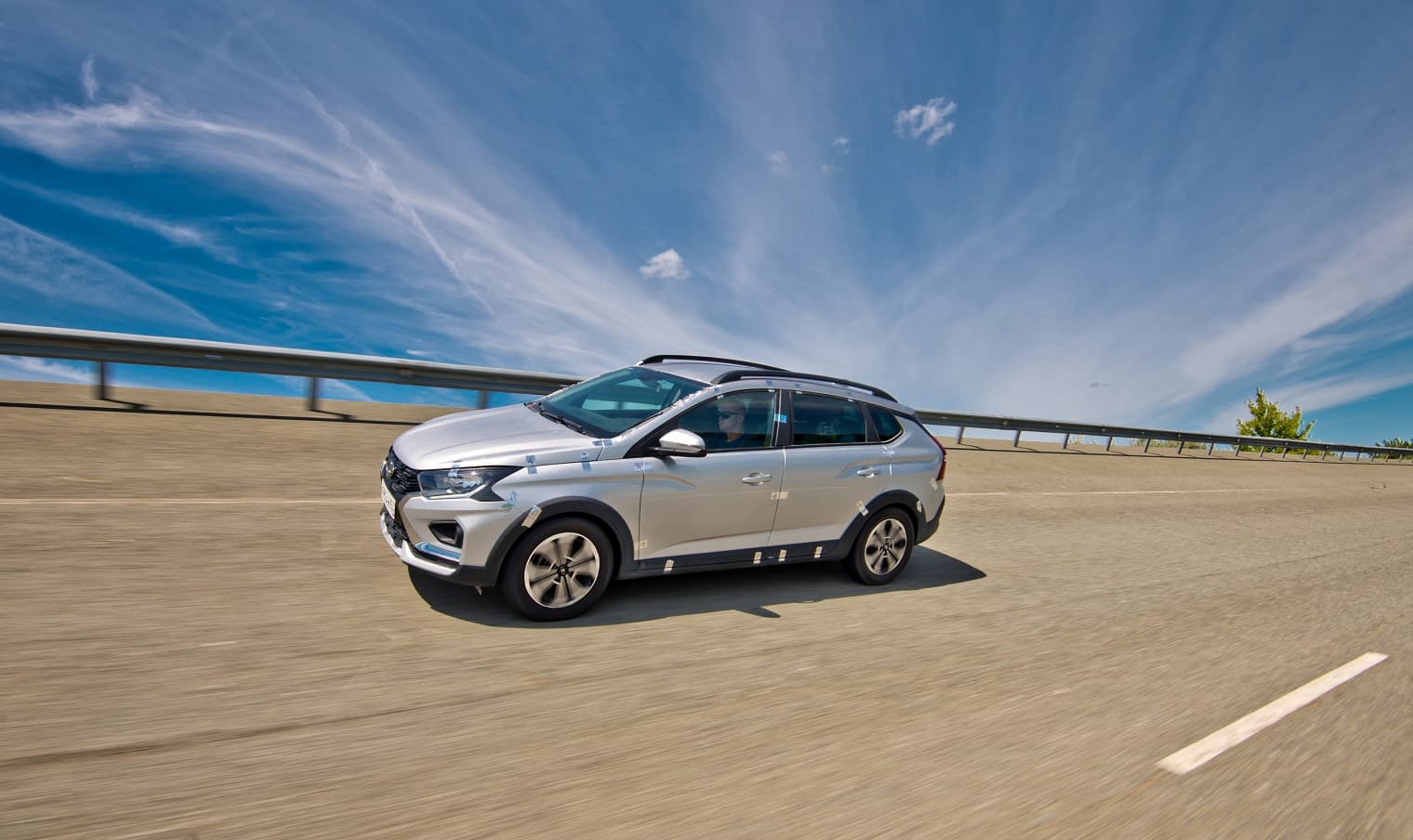
The lamps on the stand heat the air around the car to 40 °C, and the car itself to 80 °C and above. The "solar" tests resulted in adjustments to the design of plastic elements in the exterior and interior, which also increased the durability of the Lada Iskra.
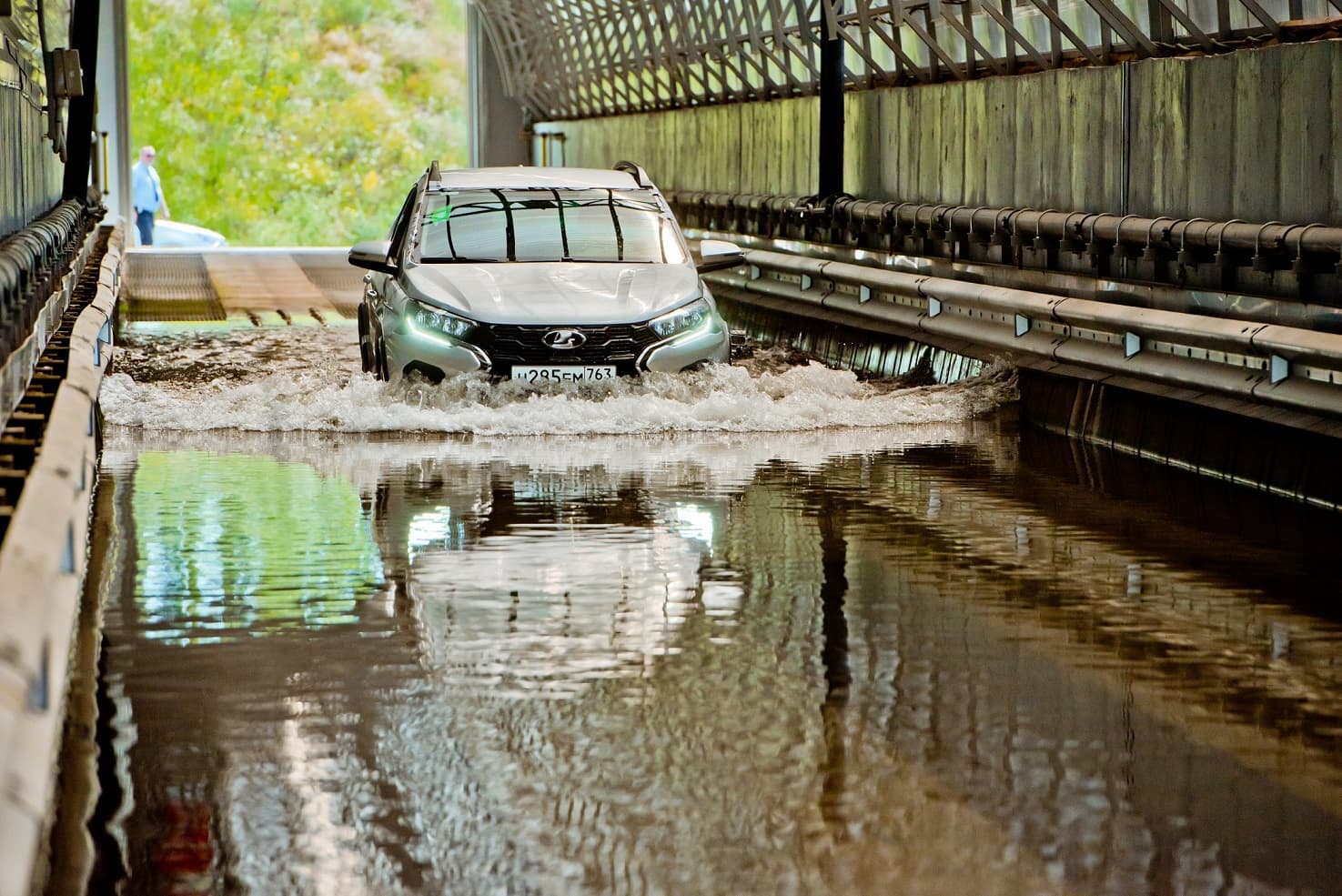
The full set of tests simulated intensive operation of the Lada Iskra for 150,000 km of mileage or six years of operation. Corrosion resistance tests were carried out in a salt spray chamber and salt fords, where the bodies were frozen and thawed.
Preliminary calibrated incisions were made to the metal on the body elements. Tests of the station wagon and sedan were carried out for 11 weeks, simulating adverse conditions with the presence of sea air, reagents, and industrial emissions on the roads.
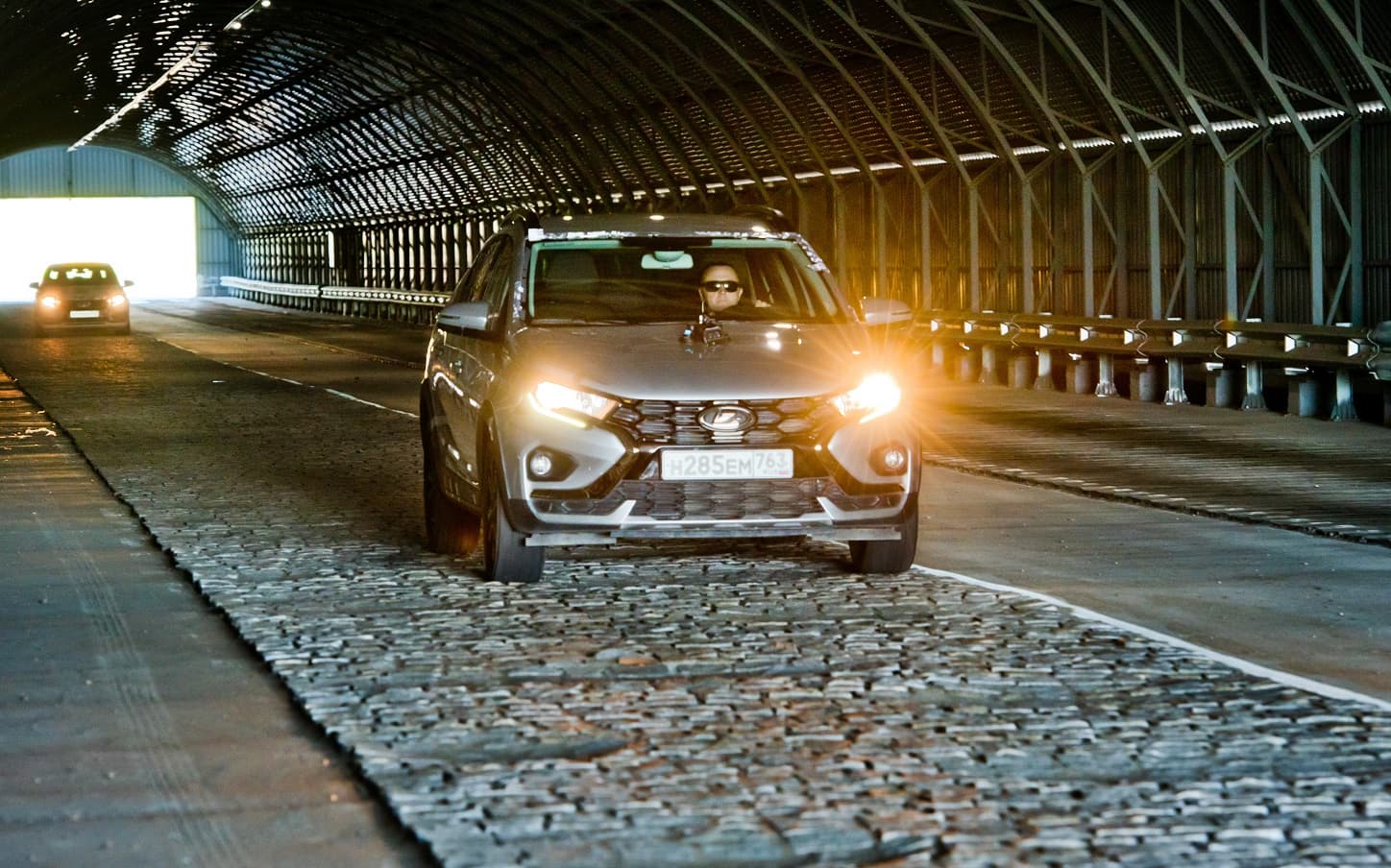
Also, 28 cars passed tests in the amount of 150,000 km during reliability tests. The runs took place in fords, on a factory test site and gravel roads, cobblestone tracks, simulations of city streets with various irregularities, and in a dust tunnel.
Periodic car washes were also simulated - at a high-pressure car wash and from a simple garden hose. AvtoVAZ noted that the volume of Iskra proving ground tests was the most diverse in the history of Lada development.
Read more materials on the topic:
Now on home

Two cars of the same era, created for currency export, but with different philosophies

The crisis, compromises, and wrong decisions that buried a promising model


Resident of Sverdlovsk Region Recovers 192,000 Rubles and Receives Compensation

At the end of 2025, the crossover topped the sales ranking of new cars in the capital

The legendary racer moves around in a wheelchair and is under constant medical supervision

What malfunctions do owners of the Togliatti flagship most often encounter?
Slow shifting in the cold is not normal, but the first sign of transmission problems

The car features improved design and electronics

Now it's Rolls-Royce

Even with the recycling fee, the car will cost less than from official dealers

The model also received new trim levels