Fuel shortage remains the most common fraud scheme at Russian gas stations. According to auto expert Dmitry Novikov, the most common method is software adjustment of the meter. The column's electronics are set up to formally register 10 liters, but actually dispense 9.3-9.6. The losses for the client seem insignificant, but this brings the station a daily profit of hundreds of liters. The deception can only be detected with a verification meter.
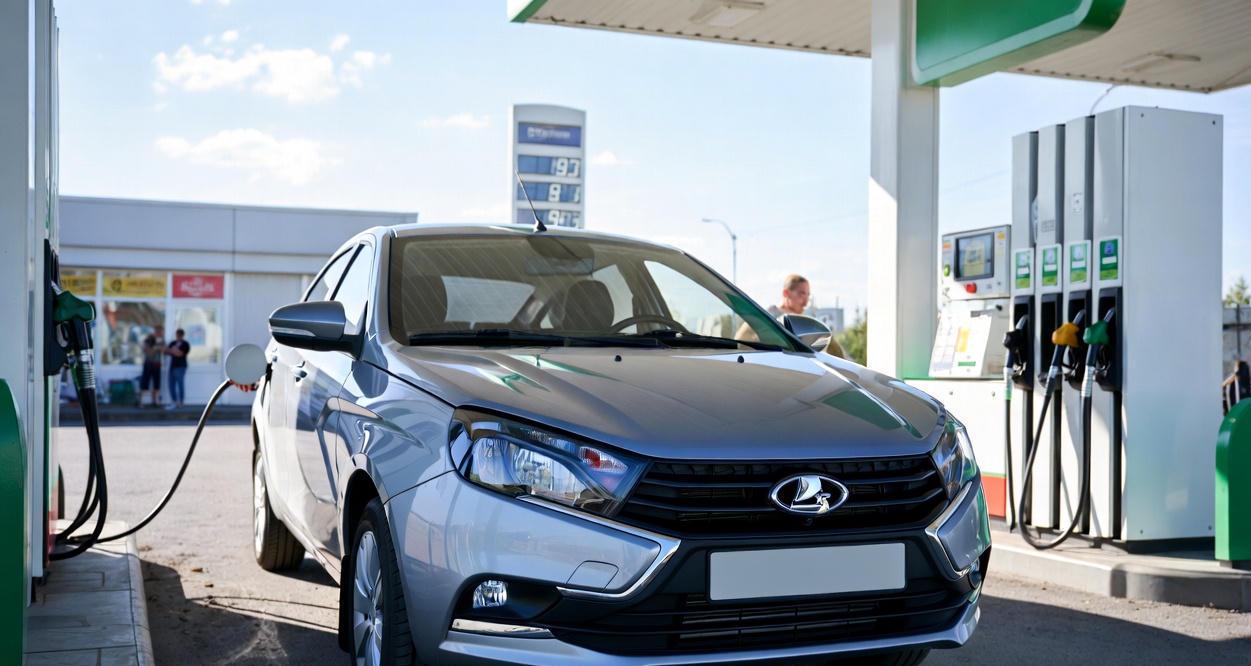
Another popular trick is related to the residual fuel in the hose: after the previous refueling, up to 300 ml of gasoline remains in the line. If the operator shuts off the flow or holds the nozzle at an angle, the paid volume does not enter the tank. Other methods are also used - mixing air, which causes foam, or using cheap fuel fractions, which reduces the quality of the fuel.
It is difficult to recognize a shortage: the column may "slow down" or issue jerks on the meter, and the gas station attendant may actively jerk the nozzle. The most reliable method of verification is a control measurement, where the permissible error does not exceed 0.25%. In case of serious violations, it is recommended to contact Rospotrebnadzor or Rostandart. Experts advise choosing large chain gas stations and immediately checking suspicious situations: there is no point in giving extra liters to fraudsters.
Read also materials:
- AvtoVAZ officially explained which gasoline should be poured into Lada
- Moskvich announced prices for the Moskvich 6 sedan of the 2026 model year
- Tank raised prices for the entire model range in Russia: Tank 500, 700 and 400 have become more expensive