The recipe for creating a muscle car was once almost primitive: maximum power, minimum concern for handling (and sometimes none at all), and an affordable price. This is how American brands churned out cars in the 1960s. Therefore, there were many models with a similar philosophy, but even among them there were real predators — the ones you better know about in advance if you value your own caution. Here are seven of the most severe muscle car representatives that once rolled off the assembly line.
Chevrolet Chevelle 454 LS6
Among classic car enthusiasts, the Chevelle LS6 is most often called the true king of muscle cars — even above the Mustang, ‘Hemi Cuda, or Dodge Charger 500. And it appeared almost suddenly. General Motors had long adhered to a strange corporate ban: not to install engines larger than 400 cubic inches (that is, over 6.5 liters) in mid-size models. Therefore, the Chevelle was content with a maximum of a 396-inch engine, which looked modest compared to competitors.
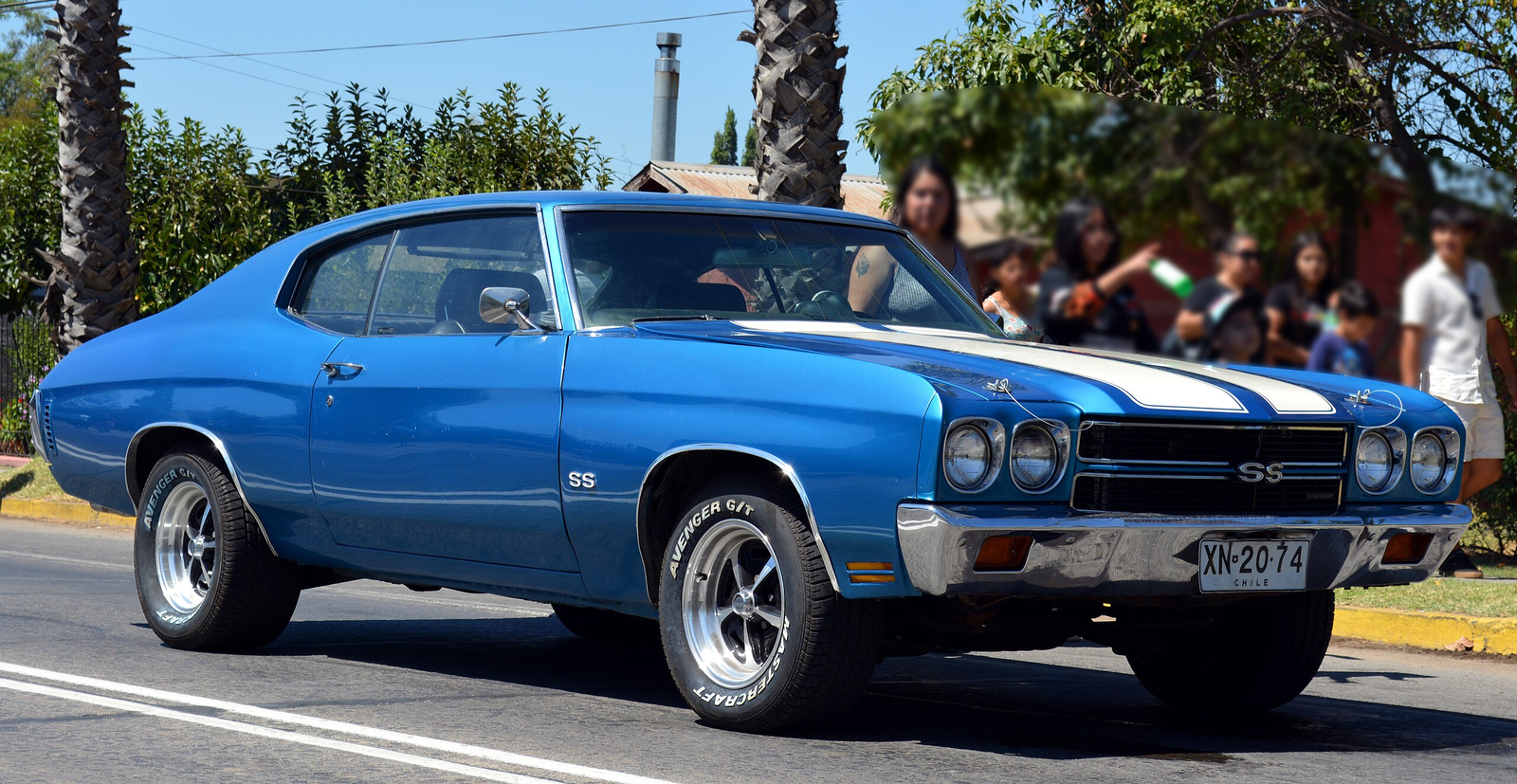
But by the end of the muscle car era, the policy changed — and GM allowed itself to violate its own bans. The LS6 with a volume of 7.4 liters (454 cubic inches), producing 450 hp and 677 N·m, was transplanted into the engine compartment. An ordinary buyer could simply go to the dealer, pay for the option, and drive away in a car that ran a quarter mile in 13.1 seconds — and this was the best factory result of those years.
Unlike lightweight special versions like the Dodge Dart or some Barracudas, the Chevelle was not turned into an "empty shell": the interior was trimmed with leather, the suspension was reinforced, and the hood featured a signature swivel intake damper that opened when the gas pedal was pressed. The LS6 lasted only one year — from 1971. The new toxicity standards became too strict, and Chevrolet preferred to simply remove the engine from the lineup rather than stifle it for the sake of ecology. Leaving at its peak is a much more worthy decision than growing the model to the level of the Mustang King Cobra.
Buick GNX
By the late 1970s and 1980s, muscle cars as a class had died out: environmental restrictions, rising fuel prices, and increased insurance for powerful cars made multi-liter V8s unprofitable. Americans' hair was getting longer, and the number of "horses" under the hood was getting smaller. The average power dropped to 160 hp, and acceleration to 100 km/h took longer than some biological processes.
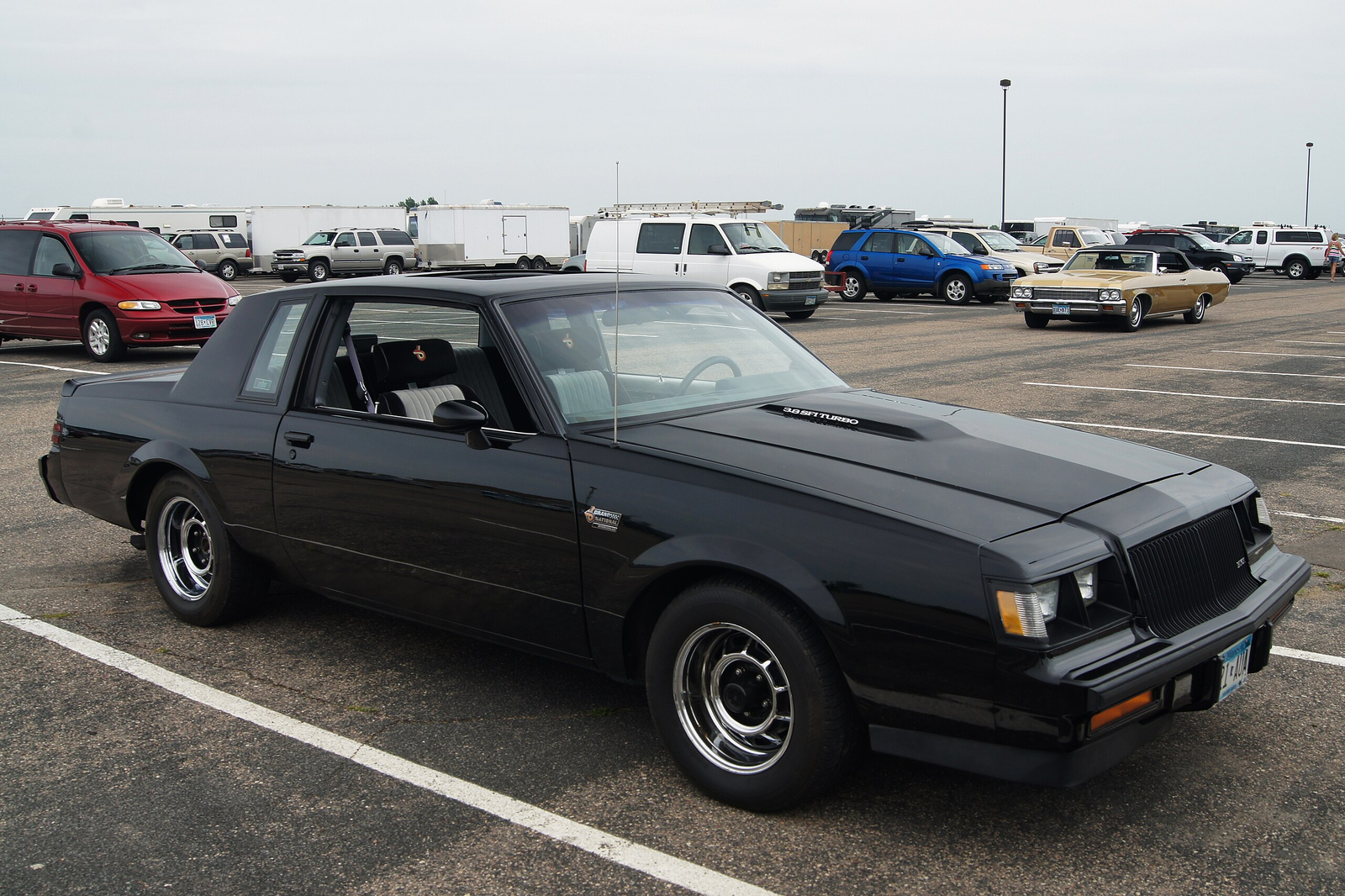
Buick decided to look for an alternative and bet on a turbocharged V6 coupe. This is how the GNX — Grand National eXperimental — appeared, and the experiment was a brilliant success. It was the fastest production car in America in 1987. Even the Corvette and Porsche 911 were inferior to it. Its 300 hp and 515 N·m allowed it to accelerate to 100 km/h in 4.7 seconds and run a quarter mile in 13.5 seconds.
However, only 547 cars were produced. Dealers, anticipating price increases, bought the cars for themselves. The GNX was not put into series for one reason: GM management did not want to compete with its own favorite — the Corvette.
Mustang GTD
Europeans have been teasing American muscle cars for decades — they say they can only go straight and whistle with exhaust. Ford decided to prove that such jokes should be left in the past.
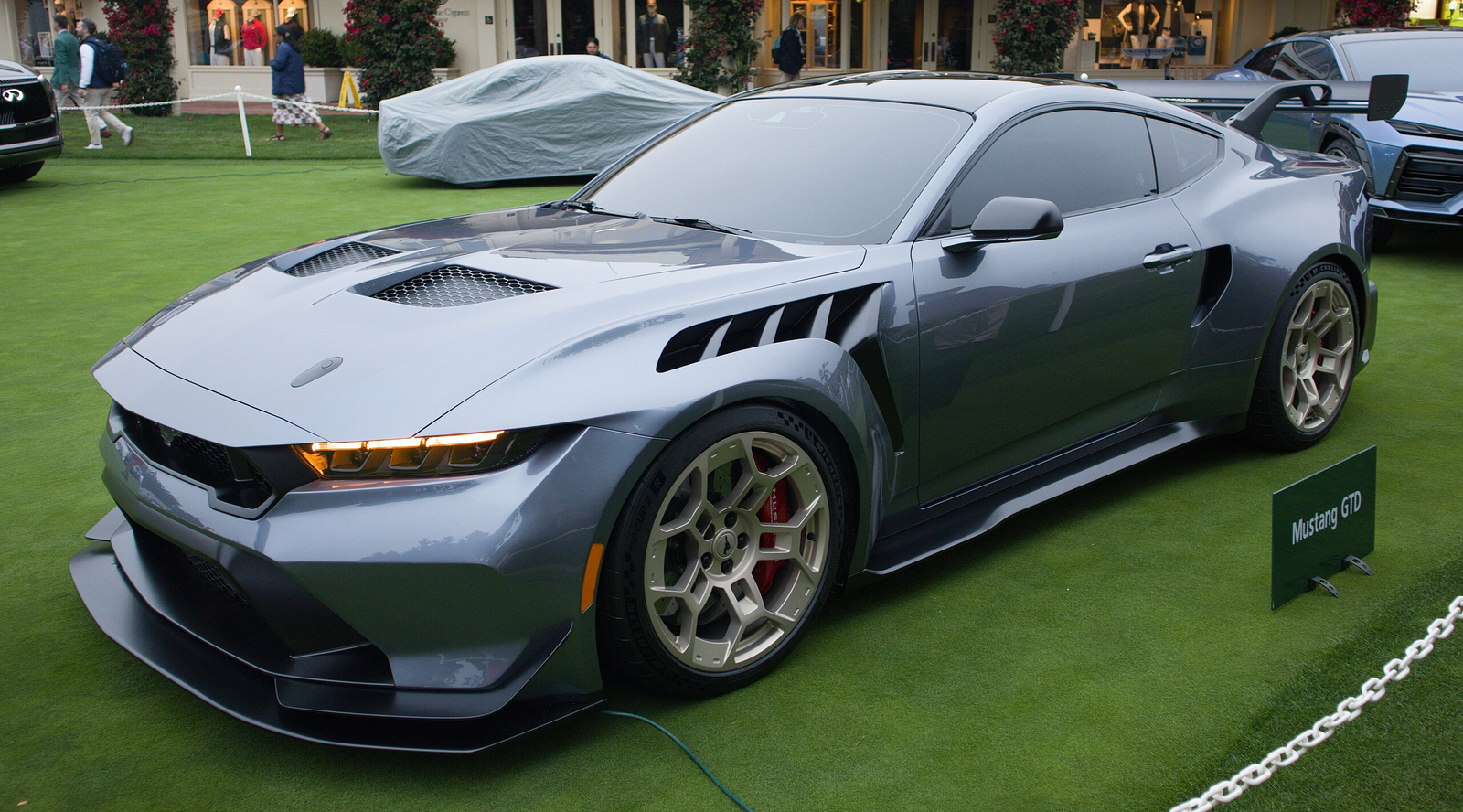
The Mustang GTD was created to appeal to the Old World and show that the Mustang is capable of not only flying into a ditch to the cries of "film it, bro!". The body is made of carbon fiber, the driveshaft is also composite, and the eight-speed sequential gearbox is located at the rear axle for proper weight distribution. The aerodynamics were calculated in a wind tunnel, and the suspension was made almost racing, based on the Ford GT.
The supercharged 5.2-liter V8 produces 800 hp. The price is from 300 thousand dollars. Despite this, there are those who want it, because the GTD is actually a bridge between the road and the track.
Plymouth Superbird
At first glance, it can be confused with the Dodge Charger Daytona — and no wonder. The Superbird owes its appearance to it. The Daytona was created to correct the terrible aerodynamics of the square body, due to which the rear axle began to "float" at high speeds. The solution turned out to be so successful that Plymouth wanted to repeat the success by transforming its Road Runner model.
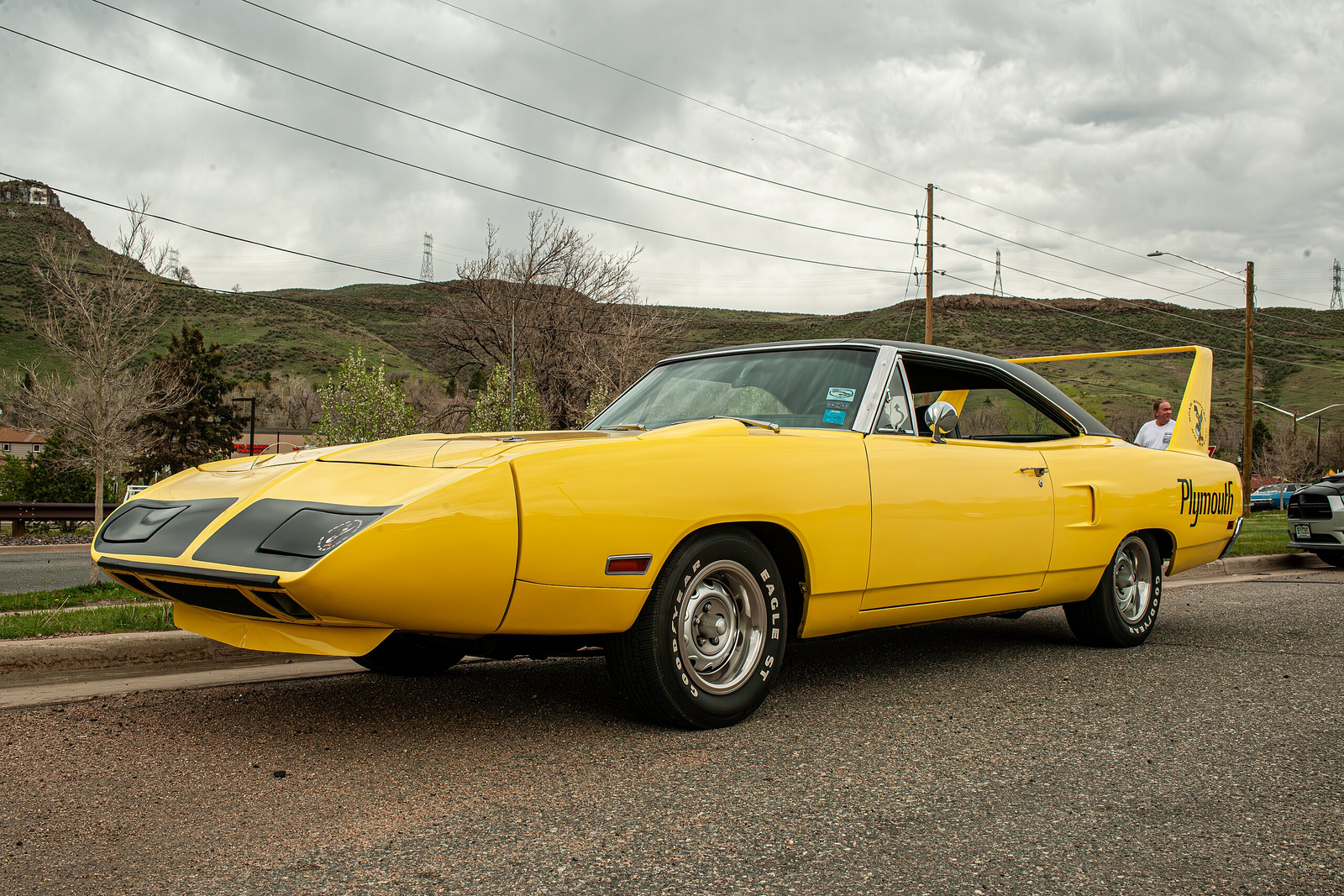
But street buyers did not need "nosed" cars: too strange an appearance scared away people who came for something less fantastic. Plymouth tried to soften the image — they added a lip under the bumper, installed fog lights, and covered the roof with black vinyl to visually "assemble" the long body. But all in vain. Today, the Superbird is a rarity with price tags that take your breath away.
Dodge Demon
This is an example of how in the XXI century you can make a muscle car completely focused on straight-line dynamics, without even trying to prove anything to "ring" opponents. In fact, the Demon is a factory dragster with permission to drive on roads. So extreme that even the passenger seat was an option, and the tires were almost racing slicks. Buyers signed papers removing claims against the brand in case of injury or death.
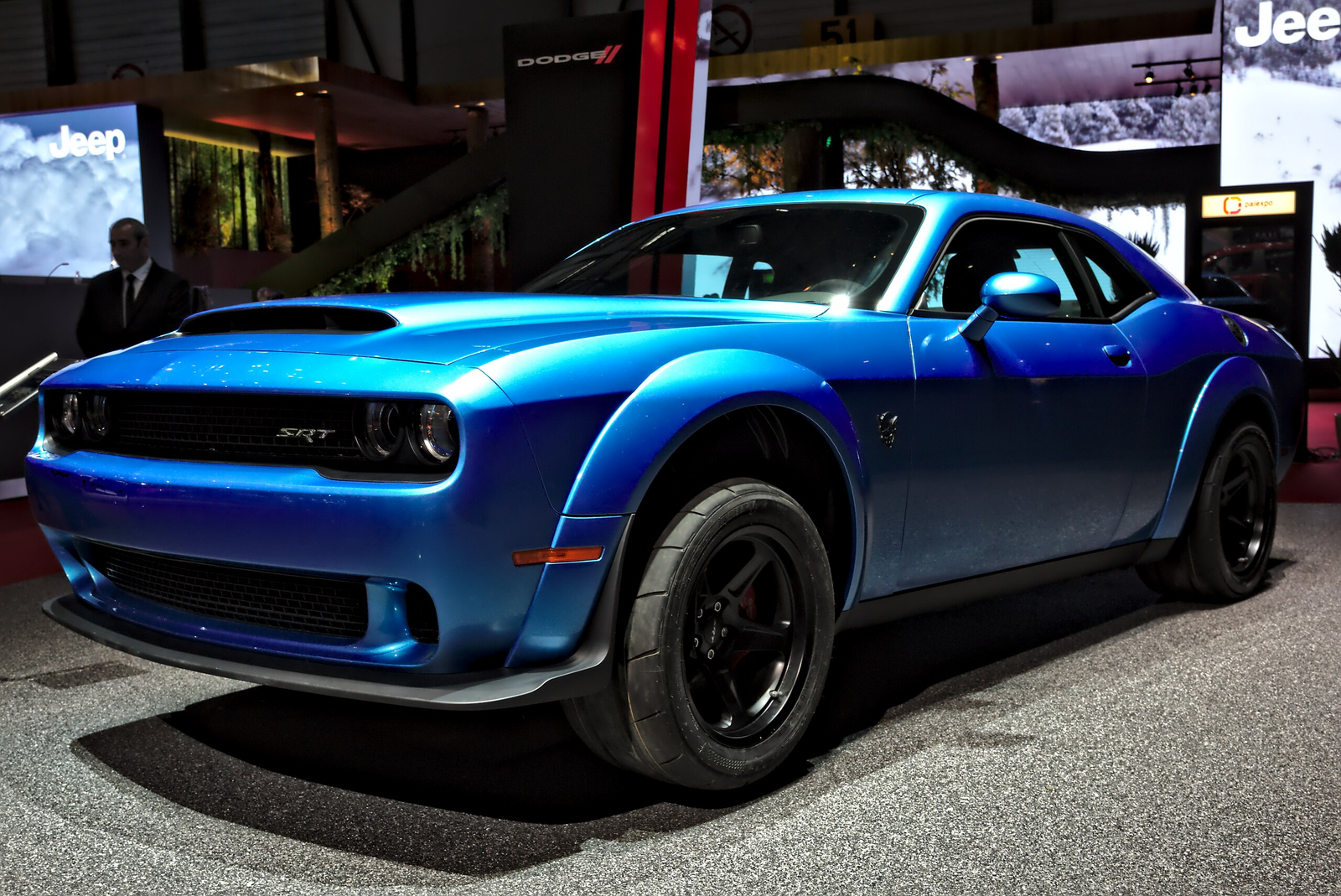
The engine was modified from the Hellcat version and the power was increased to 840 hp. The Demon is capable of starting with the front wheels off the road, accelerates to 100 km/h in 1.9 seconds and runs a quarter mile in 9.6 seconds. Case: the car was allowed on ordinary roads, but banned at competitions — according to the regulations, every car faster than 10 seconds must have a roll cage, which the Demоn, of course, does not have.
Mustang Boss 10 L
If you think that 5-liter engines are a lot, this Mustang easily changes the idea. It appeared due to a friendly rivalry between two engineers: John Moss from GM and John Coletti from Ford. Moss came to his colleague on a boosted Camaro ZL1 with 650 hp, after which Coletti decided to create a response.
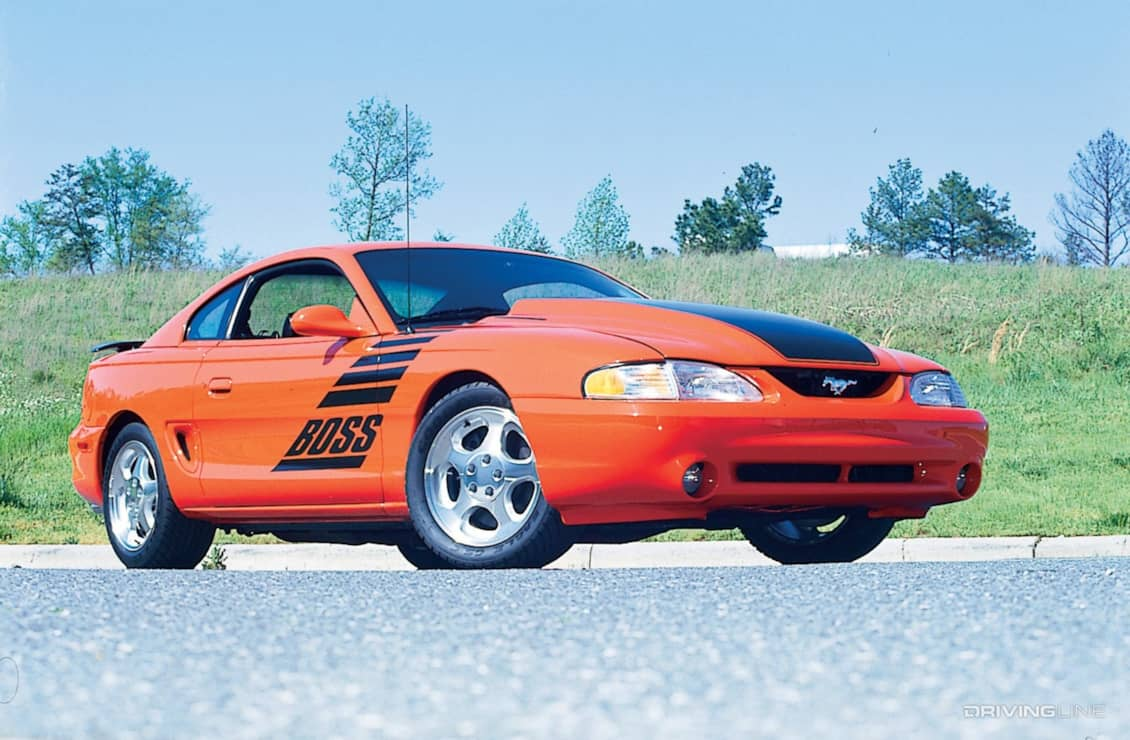
Outside, the car resembled an ordinary Mustang, but the high hood and wide rear tires revealed the essence. The Boss block of the 70s was taken as a basis, the volume was increased to 604 cubic inches (9.9 liters), the carburetors were replaced with injection and received 855 hp and 1088 N·m. In the drag race, the Mustang bypassed the Camaro: 10.55 seconds against 10.77.
Cobra Supersnake
Carroll Shelby's personal car, which he himself described as "a Cobra capable of defeating all Cobras." This is probably the most dangerous road car ever created.
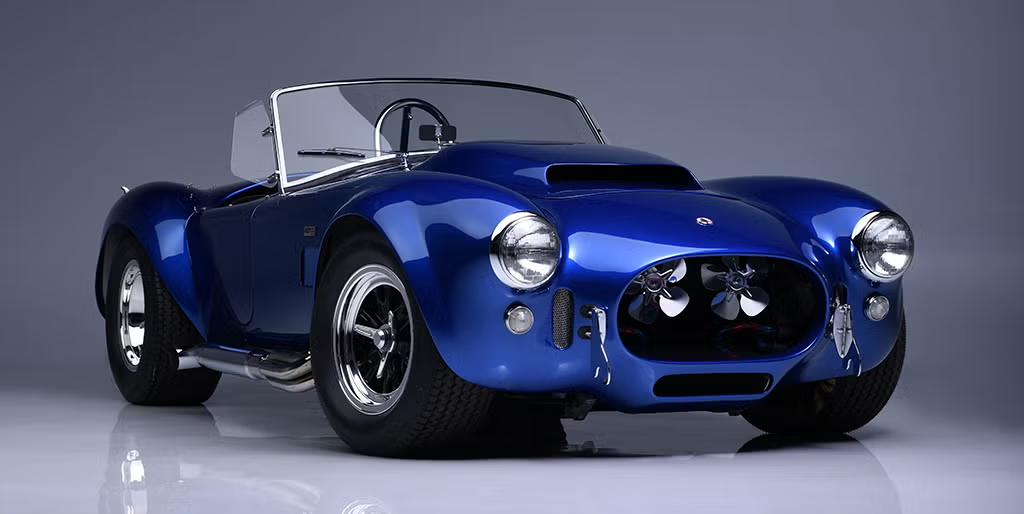
It was based on one of the 23 SS chassis prepared for racing. Shelby added two mechanical superchargers, producing 800 hp from a 7-liter V8 - in 1966! The car weighed only 1156 kg and had not a single safety feature: no bumpers, no seat belts, no airbags. The exhaust passed along the sills, which were easy to burn. Acceleration to hundreds - about 3.2 seconds, top speed - almost 300 km/h.
Two cars were built. One copy went to actor Bill Cosby, who very quickly decided to part with the purchase - probably in favor of his own safety. The second owner soon crashed: due to a jammed throttle, the car fell off a cliff. If you compare Supersnake with playing Russian roulette, the latter looks almost humane.
Read more materials on the topic:
- 5 forgotten legends: the most underrated muscle cars
- 5 models that impressed experts, but never gained recognition from buyers
- The most unexpected cars with the participation of AMG
Комментарии