In an era of rapid technological change, where new solutions appear faster than people can get used to them, the automotive industry has found itself at a point where the future is literally overtaking the present. Electric vehicles are changing the very essence of what is hidden under the hood, digital panels are increasingly replacing classic instruments, and the requirements of aerodynamics and efficiency are shaping new standards of appearance. Against this background, leading German automakers — Audi, BMW, and Mercedes-Benz — are unexpectedly turning to the past to build a new visual language on its basis.
This is not a game of nostalgia and not an attempt to emotionally appeal to the buyer. This is a well-thought-out strategy: brands are trying to consolidate their own identity, preserve their signature style, and not dissolve into the uniformity of electric crossovers, which, due to the unification of technologies, are becoming more and more similar to each other.
Understanding the risks, European designers are reviewing their archives, but not for the sake of literal repetition, but to adapt the heritage to modern trends, creating a recognizable style in a changing automotive world.
Everything new is recycled old
The big German three are not abandoning their heritage, but organically weaving it into modern concepts. Designers draw inspiration from iconic models of the past, using them as the foundation for shaping the images of tomorrow.
Audi Concept C, the new BMW iX3, and Mercedes-Benz Vision Iconic are indicative examples of how retro motifs become a tool for finding character in an era of technological uniformity. If platforms, batteries, and power plants are unified, then design becomes a field of competitive struggle.
Mercedes-Benz Vision Iconic
The front of the Vision Iconic is an open visual dialogue with the history of the brand. Horizontal chrome strips are reminiscent of the style of the 1950s, of the elegance that united the Ponton and the legendary 300SL.
Recessed round headlights enhance the retro mood, returning to the era when the car was an indicator of status. At the same time, the body itself remains strict and modern, as if carved from a solid metal block. The contrast of soft lines and monolithic forms creates an image in which traditions harmoniously interact with progressive ideas.
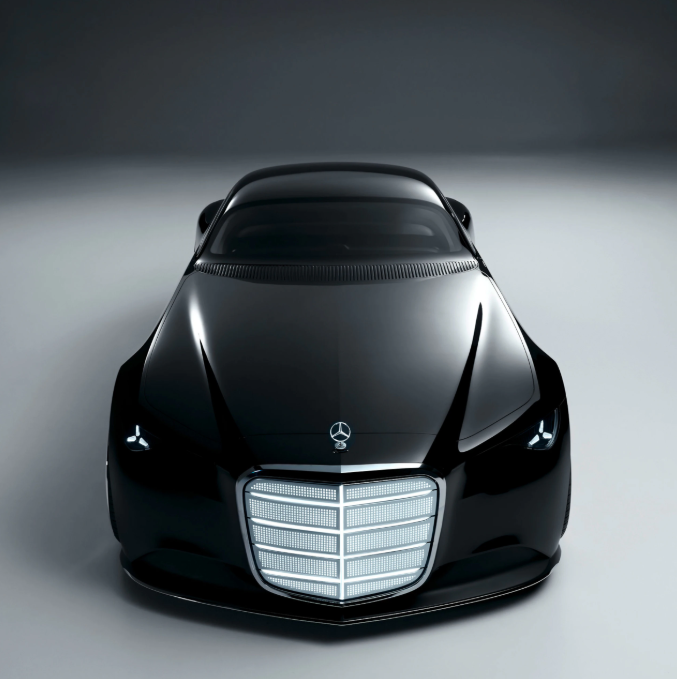
Interestingly, Mercedes considers Vision Iconic not as a one-time gesture, but as a statement of its own design philosophy. While Chinese manufacturers are actively setting new trends in electric vehicles, the German brand is betting on its heritage as a stable benchmark.
Chief designer Gorden Wagener calls Vision Iconic the "pure essence of Mercedes" and the "highest expression of prestige." Even within the company, this approach causes controversy: Ola Källenius jokes that designers sometimes "go too far." But for Mercedes, this is a natural evolution: by experimenting, the brand remains itself.
Audi Concept C
Audi also decided to rethink its own visual language. Concept C — the first major work by Massimo Frascella in the company — became a departure from the pure futurism that had long dominated the brand's style.
The elongated vertical grille clearly echoes the Auto Union racing cars — symbols of German engineering power of the first half of the 20th century. But designers avoid direct quotation: they simplify the forms, free them from decorativeness, and turn retro elements into a minimalist modern detail.
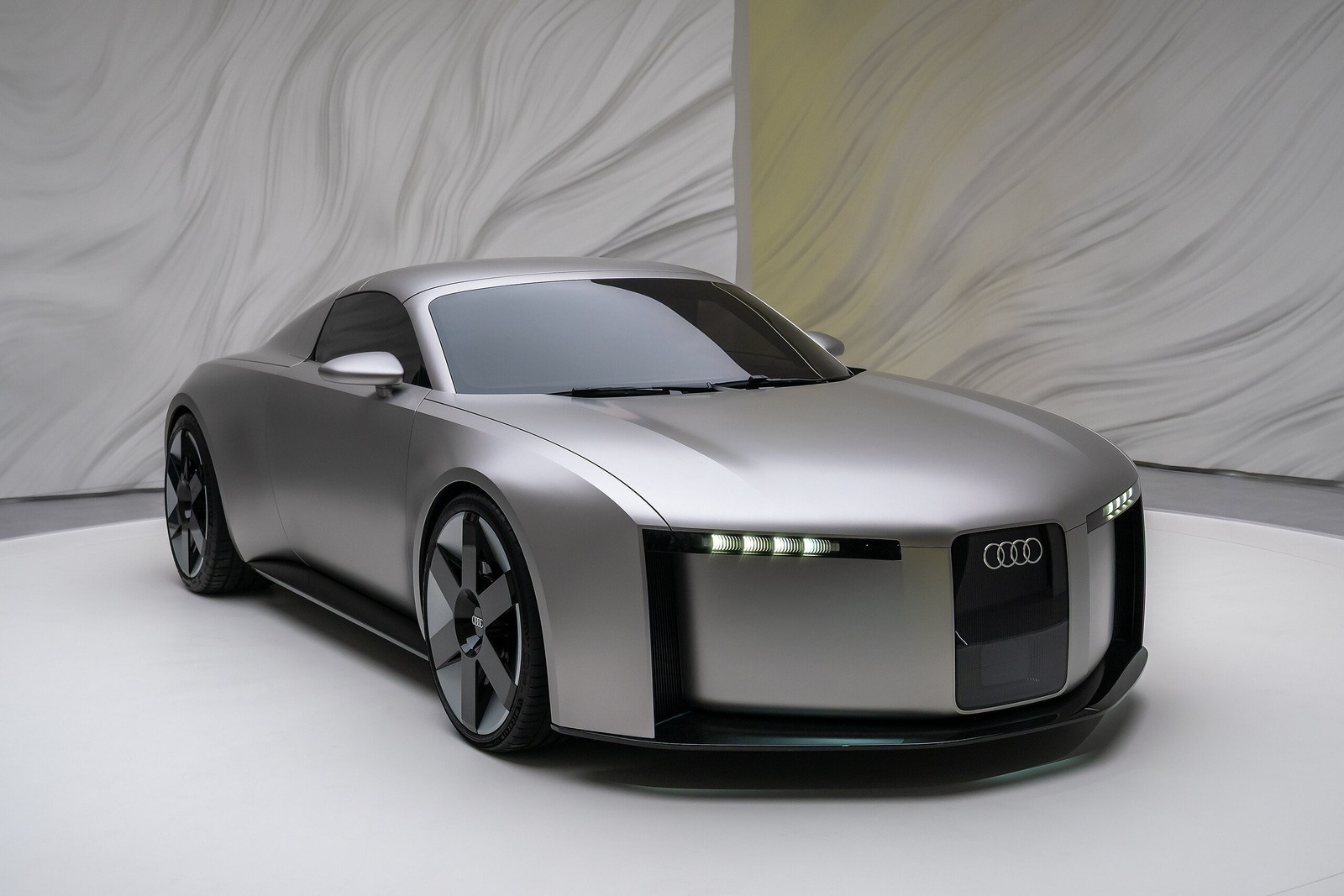
It is noteworthy that the Concept C is built on the same platform as the new Porsche Boxster and Cayman, but unlike its sports counterparts, Audi produces its version exclusively in electric form. Thus, the brand seeks to strengthen the image of a manufacturer of premium electric sports cars, and the style of the past only emphasizes its individuality.
BMW iX3
BMW is also adjusting its design direction. The new head of style, Oliver Heilmer, assures: the time of aggressive lines and daring experiments is passing; a stage of calm surfaces and confident minimalism is coming.
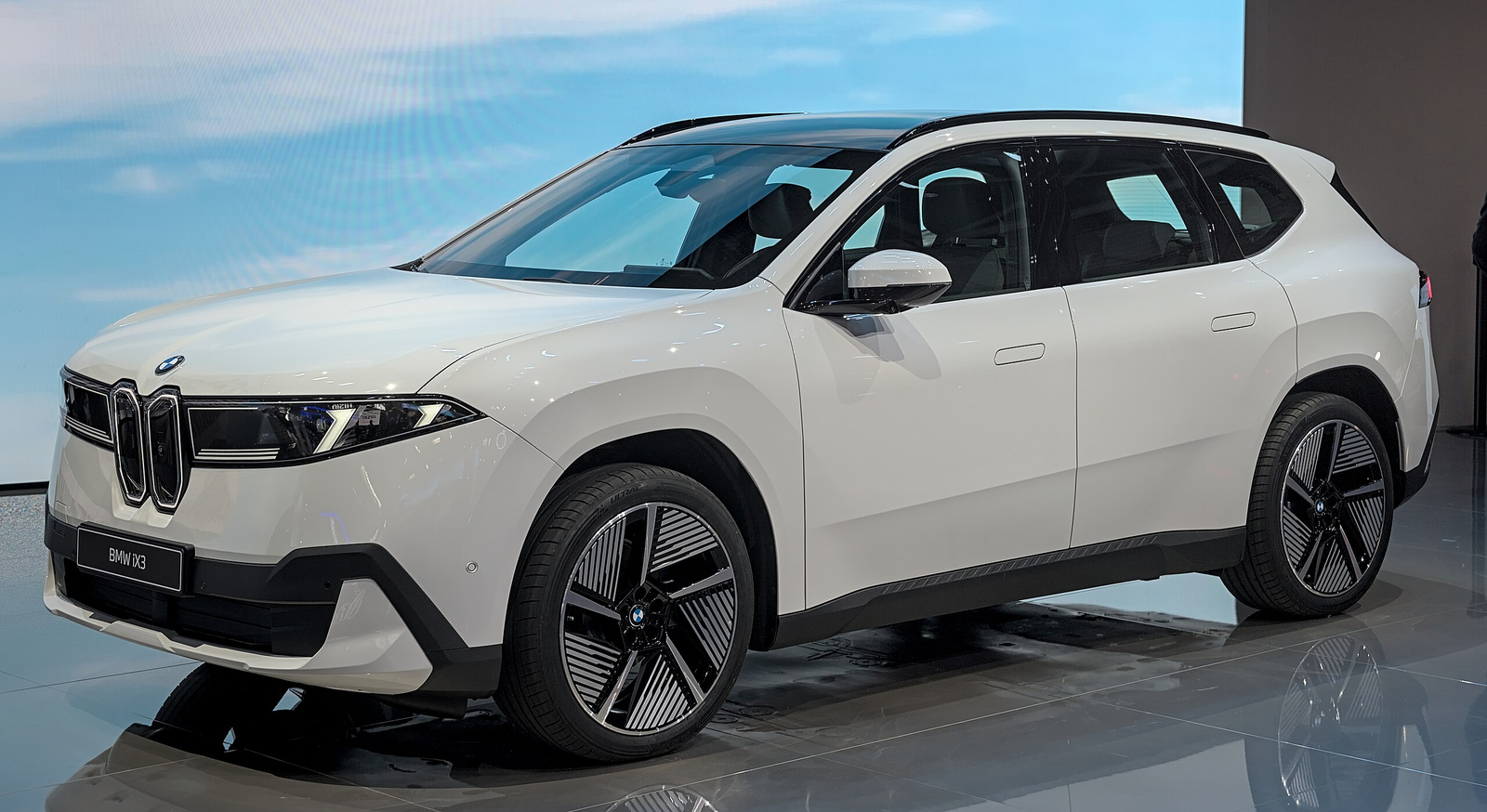
In the updated iX3, the signature double grille becomes thinner and higher — a return to the classic image of "nostrils." Vertical proportions visually lighten the front and give the car a restrained confidence.
In addition, the future BMW 3 Series and i3 will receive wider "nostrils" inspired by the legendary 507 roadster — another reminder that heritage can live in modern proportions.
German Neo-Art Deco: from Exelero to Rosemeyer
The craving for retro motifs is not an invention of recent years. In the early 2000s, brands tried to find visual identity through bold concepts like the Maybach Exelero and Audi Rosemeyer. These models became artistic embodiments of pre-war aesthetics: massive bodies, dramatic lines, hints of gothic and art deco.
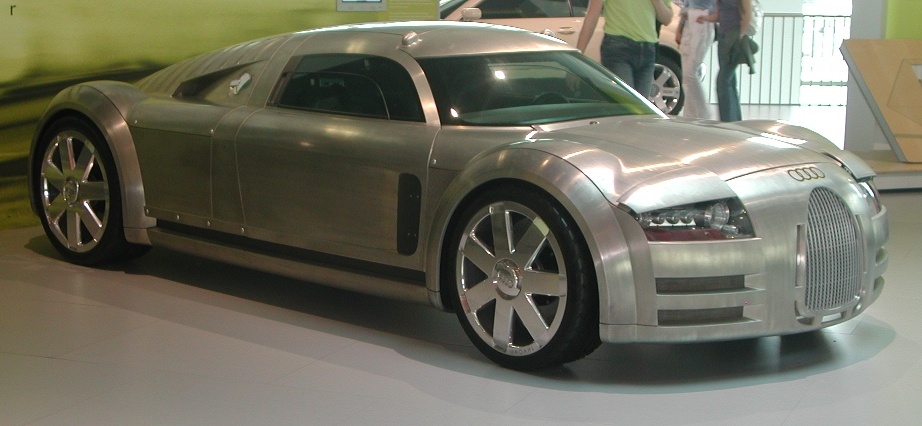
BMW also worked in this direction — just remember the Mille Miglia concept of 2006, which visually bridged the gap to the era of legendary races. Then such projects seemed too bold, but today the automotive industry is much more flexible, and motifs from the past are easily integrated into mass production.
Heritage as a new identity
What was recently called "retro design" has become a strategic tool. Manufacturers are not having fun playing memories — they are creating a sustainable identity in a world of technological standardization.
European brands are actively reviving iconic models: Renault is releasing modern electric versions of the R4, R5, and Twingo, Mini retains its signature image, Fiat continues the line of the 500th model, Volkswagen is returning classic motifs.
Not everyone succeeds equally convincingly: Ford often uses the names of past models — Capri, Puma — mainly as marketing labels. And Citroën acts more subtly: the brand carefully integrates historical features, creating emotional references with a few lines or characteristic curves.
The past becomes a map of the future
German brands are returning to their heritage not for the sake of romance, but to form a sustainable visual identity. History is becoming the language in which they speak to the future consumer.
If this course continues, the cars of the coming years will become not only technologically advanced, but also emotionally expressive — individual, recognizable and unique, despite the general unification.
Read more related articles:
- Citroen C5 Aircross of the new generation: softer, quieter and suddenly more comfortable than the Jeep Compass
- Iridium or platinum: what to choose for spark plugs
- Top 10 SUVs that drive like sports cars