The premium car segment in Russia is experiencing a real boom. According to FinExpertiza, in 2024, owners of luxury cars will pay more than 5 billion rubles in luxury tax to the budget - this is a record for the entire observation period. The growth rate of fees accelerated for the first time since the pre-sanction period by 27 %.
We are talking about cars worth from 10 million rubles - these are cars of the level of Aston Martin, Ferrari, Bentley, Rolls-Royce and other elite brands. Despite external restrictions, the luxury car market has grown by as much as 33 % over the year and reached 33 thousand cars. Among the reasons are the growth of incomes of wealthy Russians, the active expansion of supplies of Chinese premium brands and a surge in demand before the increase in the recycling fee.
How the fleet of luxury cars has grown
According to the Federal Tax Service, over the past five years, revenues from the luxury tax have quadrupled. In 2024, a record 5 billion rubles were accrued, and the dynamics for the first time in a long time exceeded the level recorded before the sanctions.
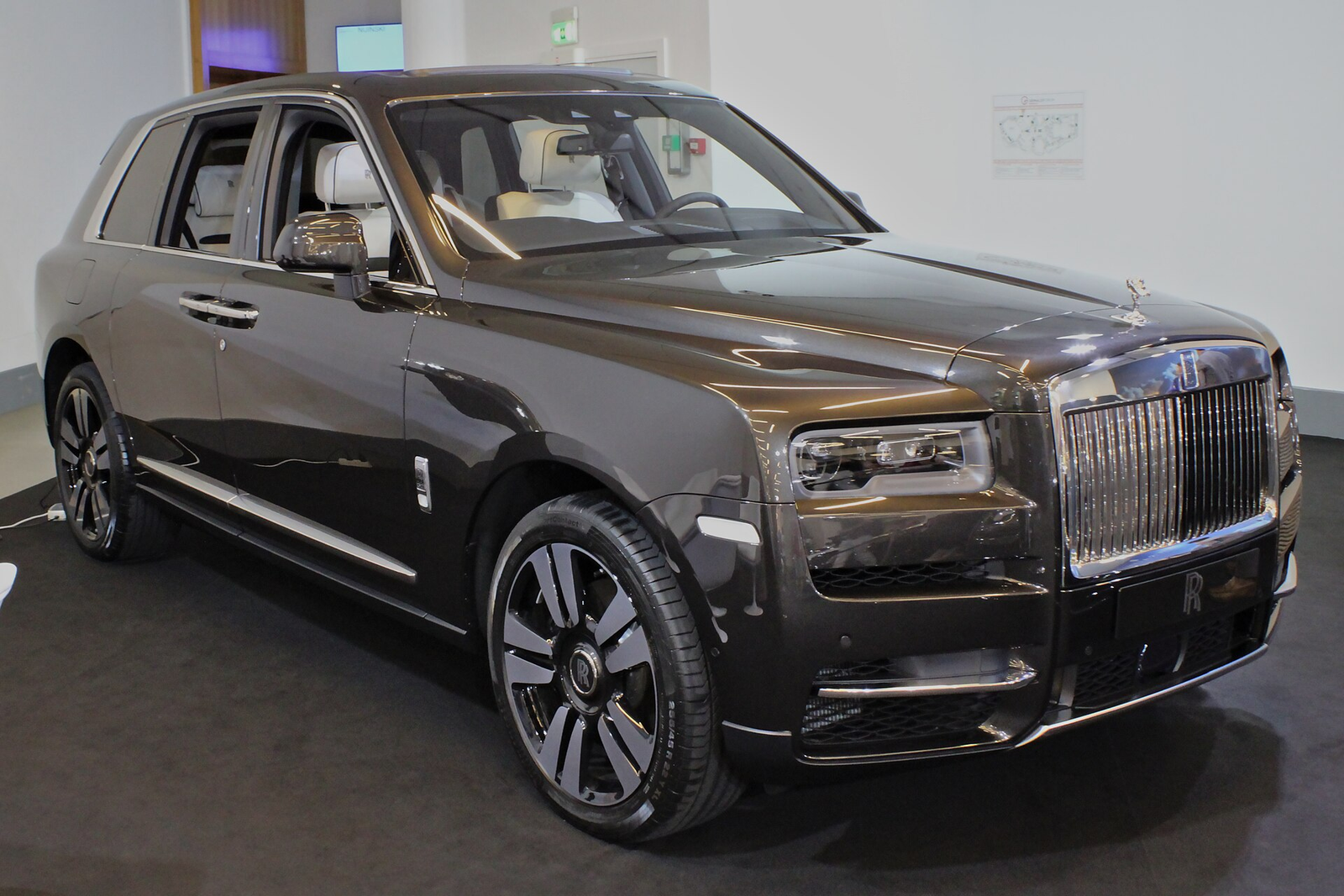
This fee is charged on cars more expensive than 10 million rubles and is an increasing factor to the transport tax. The formula is simple: engine power × rate per 1 hp × coefficient. At the same time, the rate varies by region - it is set by local authorities.
The Ministry of Industry and Trade annually updates the list of cars subject to tax. The list includes hundreds of models, including Lamborghini, Porsche, BMW, as well as new Chinese brands: Hongqi, HiPhi, Voyah, LiXiang, Zeekr.
Why the premium segment is growing
The increase in revenues is directly related to the rapid increase in sales. In the past year alone, the number of luxury cars in Russia has grown by a third and reached 33 thousand units, while in 2019 there were almost four times fewer of them.
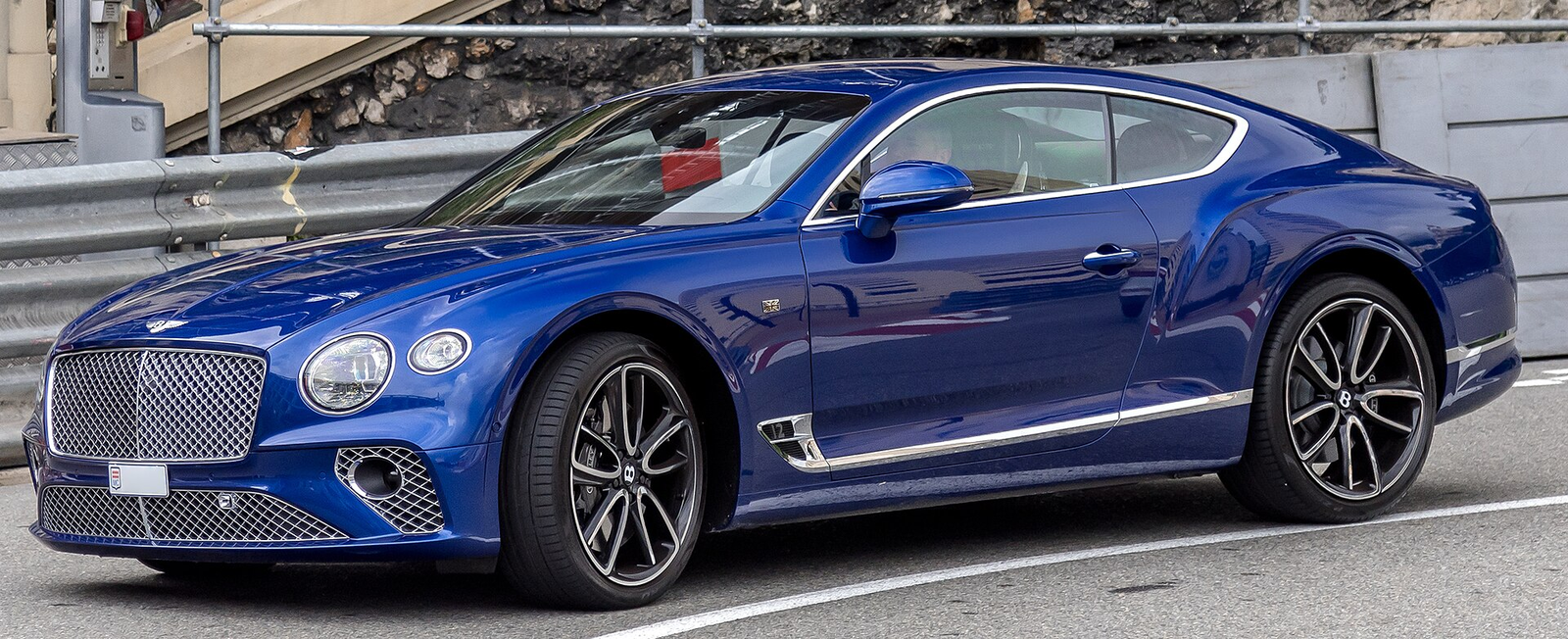
The main increase came from private owners. Now 70 % of luxury cars are registered to individuals, while a year ago their share was 68 %. The remaining 30 % belong to companies.
The Ministry of Finance notes that total revenues from the transport tax reached 137.8 billion rubles, including ordinary cars.
What is behind the interest in luxury
FinExpertiza experts explain the growth of the premium segment by several factors. Firstly, an increase in the income of wealthy citizens. Secondly, the expansion of the range - more luxury configurations and new brands from China have appeared on the market.
An additional impetus was given by the hype before the increase in the recycling fee, as well as the development of trade-in programs and the revival of the secondary market.
The cost of the premium class was affected by fluctuations in exchange rates, an increase in duties and an increase in the cost of logistics. Some Chinese models have now also crossed the threshold of 10 million rubles, which automatically transferred them to the "luxury" category.
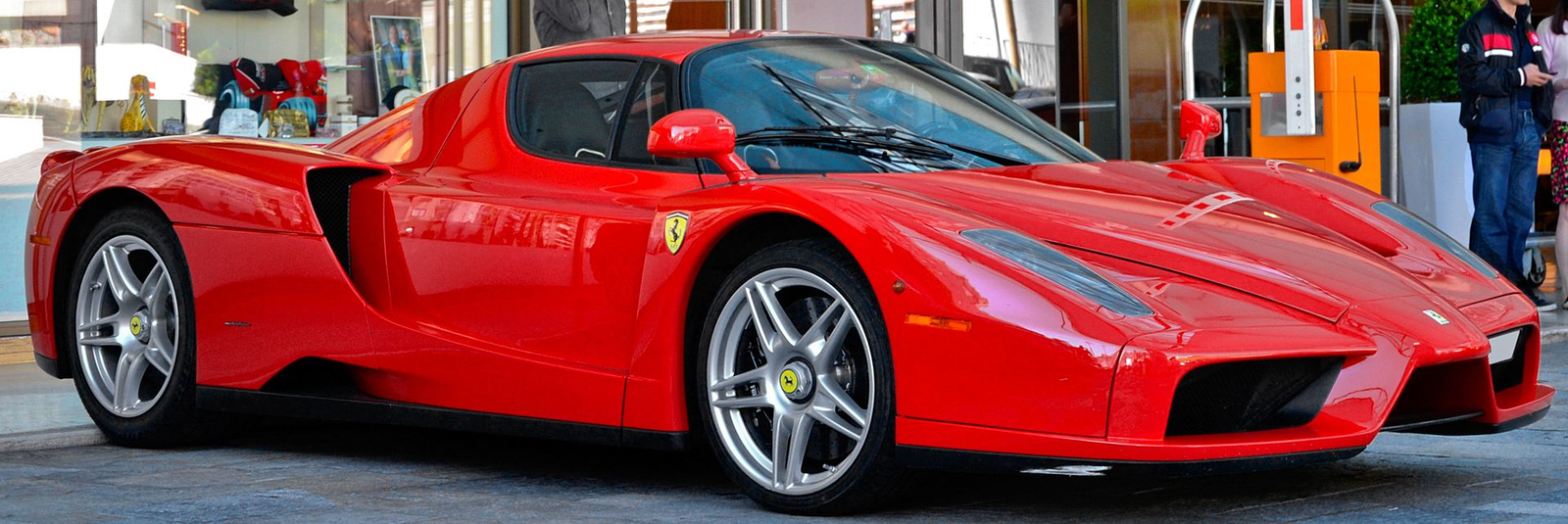
In addition, the Ministry of Industry and Trade in 2024 expanded the list of taxable models from 449 to 517 positions, which increased the number of payers. Now, even cars worth from 10 to 15 million rubles and no older than 10 years, as well as cars over 15 million and up to 20 years old, are subject to an increasing triple coefficient.
Luxury cars are becoming not only a means of transportation, but also an investment asset. According to Maria Ermilova, an expert at the Plekhanov Russian University of Economics, wealthy Russians are increasingly considering elite cars as a reliable way to preserve capital against the backdrop of instability in financial markets.
Where are the most luxury cars
Since the luxury tax goes to regional budgets, Moscow predictably remains the leader in terms of fees - about 13 thousand premium cars are registered here, which brings more than 2 billion rubles to the budget, that is, more than 40 % of all fees in the country.
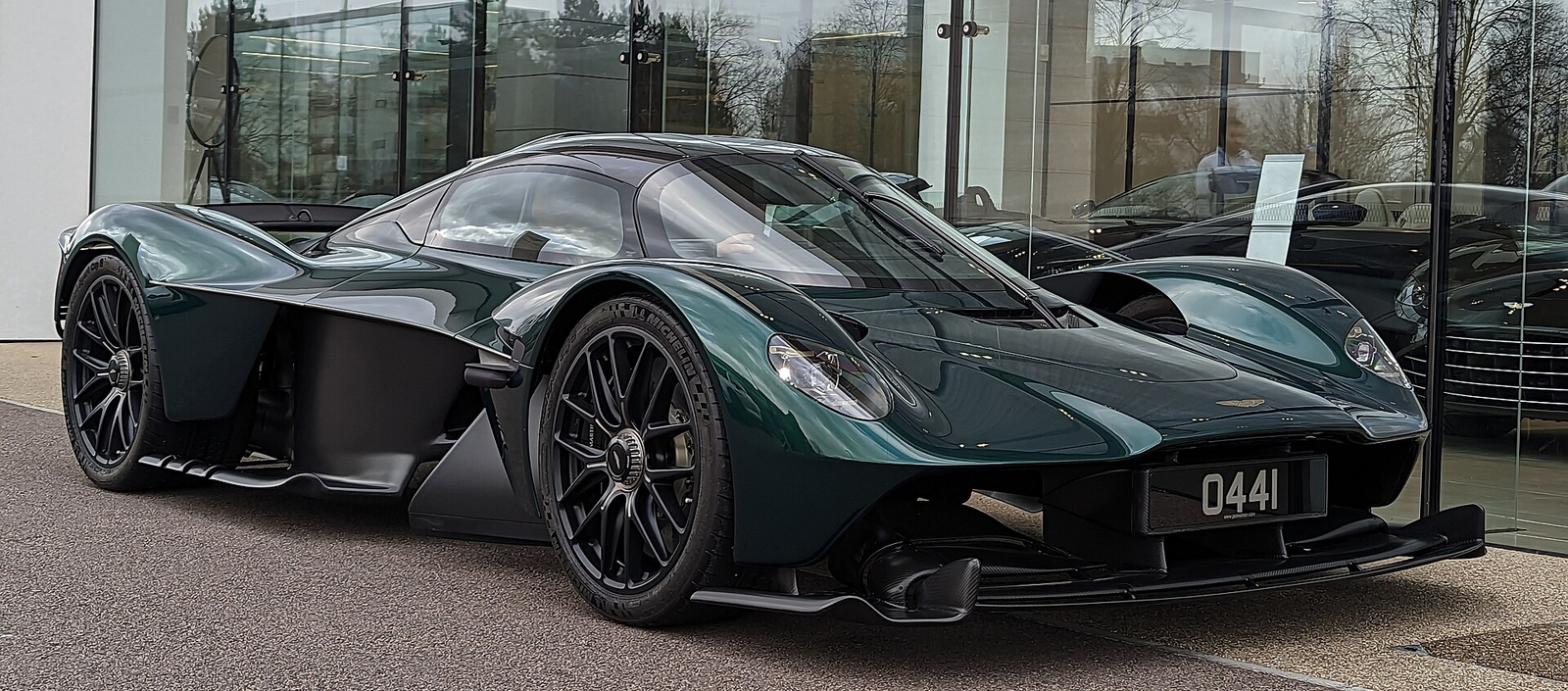
In second place is St. Petersburg with almost 3 thousand luxury cars and charges of 453 million rubles. Next comes the Moscow region - about 387 million rubles and 2.7 thousand cars. The top five are closed by the Krasnodar Territory (237 million ₽, 1.5 thousand cars) and Tatarstan (124 million ₽, 785 cars).
At the other pole are remote regions. In the Jewish Autonomous Region and Chukotka, only four such cars are registered, in Tyva - seven, in the Altai Republic - fourteen.
What awaits the car market in 2026
Despite the surge of interest in the luxury segment, the overall car market in 2025 sagged: less than 900 thousand cars were sold in nine months, which is 22 % less than last year's level.
The main reason is the high key rate of the Central Bank. From October 2024 to June 2025, it remained at a record 21 %, which made car loans unaffordable. By the end of the year, the rate was reduced to 16.5 %, but the consequences are still felt: dealers' warehouses still have about 400 thousand unsold cars.
According to forecasts, by 2026 the market may recover to 1.5 million cars sold, if the Central Bank continues to ease credit policy, and the localization of production in Russia will grow.
Luxury cars in Russia not only demonstrate the status of owners - now they have become a significant source of revenue for the budget. At the same time, the premium segment is steadily growing, and interest in Chinese luxury brands shows that even in conditions of restrictions, Russians are not ready to give up comfort and prestigious models.
Read more materials on the topic:
- Zeekr X: a Chinese crossover that makes you think
- The first electric car of Belarusian assembly: will Geely EX5 be able to push the Chinese import
- Loud, tough and outdated: how the Mitsubishi Outlander XL turned from a favorite into a disappointment
Комментарии